
Diabetes Medication Safety & Suitability Checker
Recommended Medications Based on Your Profile
Summary Recommendation
Select your health profile options and click 'Analyze Options' to see which medications match your needs best.
Finding the safest diabetic medicine isn't about picking a single magic pill that works for everyone. It’s about matching your specific health profile with a drug that controls blood sugar without causing other problems. For some people, safety means avoiding low blood sugar (hypoglycemia). For others, it means protecting their heart or kidneys. The "safest" choice depends entirely on your body, your medical history, and what you need from the treatment.
If you are managing Type 2 diabetes, the landscape of medication has changed dramatically in the last few years. We used to focus only on lowering HbA1c levels. Now, doctors look at cardiovascular risk, kidney function, and weight management. This shift means that the safest option for you might be different from what was recommended five years ago. Let's break down the major classes of diabetes drugs, looking specifically at their safety profiles, side effects, and who they are best suited for.
Metformin: The Gold Standard for Safety
For most people newly diagnosed with Type 2 diabetes, Metformin is the first-line medication recommended by global guidelines due to its long track record of safety and efficacy. It has been around for decades, which means we know exactly how it behaves in the human body. Unlike many other diabetes drugs, Metformin rarely causes hypoglycemia when taken alone. It works by reducing the amount of glucose produced by the liver and improving insulin sensitivity in your muscles.
The main concern with Metformin is gastrointestinal distress. Many patients report nausea, diarrhea, or stomach cramps when they first start taking it. This usually fades after a few weeks, but if it doesn’t, there are extended-release versions available. Another rare but serious side effect is lactic acidosis, a buildup of lactic acid in the blood. This is extremely uncommon and typically only happens in people with severe kidney disease or liver failure. If your kidneys are functioning well, Metformin is generally considered one of the safest options available.
SGLT2 Inhibitors: Protecting Heart and Kidneys
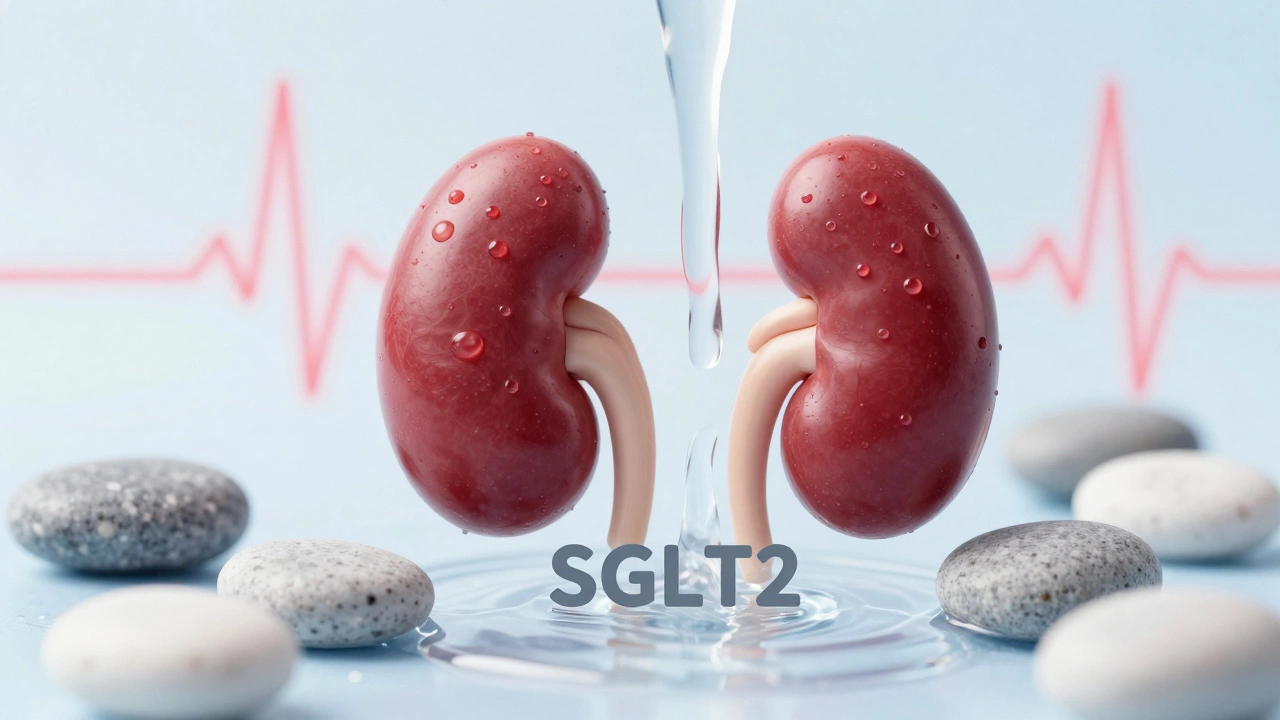
SGLT2 inhibitors are a class of diabetes medications that help the kidneys remove sugar from the body through urine. Drugs like Empagliflozin, Dapagliflozin, and Canagliflozin belong to this group. They are often called "gliflozins." These drugs have gained massive popularity because they offer benefits beyond just blood sugar control. Clinical trials have shown that they significantly reduce the risk of heart failure and slow the progression of chronic kidney disease.
From a safety standpoint, SGLT2 inhibitors do not cause hypoglycemia when used as monotherapy. However, they come with a unique set of risks. Because they work by flushing sugar out through urine, they can increase the risk of genital yeast infections and urinary tract infections. There is also a small risk of dehydration and a rare condition called euglycemic diabetic ketoacidosis (DKA), where ketones build up even though blood sugar levels aren't dangerously high. Despite these risks, for patients with existing heart or kidney issues, the protective benefits often outweigh the potential downsides, making them a very safe choice for that specific demographic.
GLP-1 Receptor Agonists: Weight Loss and Cardiovascular Benefits
GLP-1 receptor agonists are injectable medications that mimic a hormone which increases insulin release, decreases glucagon secretion, and slows gastric emptying. Popular examples include Semaglutide, Liraglutide, and Tirzepatide. These drugs are highly effective at lowering blood sugar and promoting significant weight loss. They also have proven cardiovascular benefits, reducing the risk of stroke and heart attack in high-risk patients.
The safety profile of GLP-1 agonists is generally favorable regarding hypoglycemia, especially when not combined with insulin or sulfonylureas. The most common side effects are gastrointestinal: nausea, vomiting, diarrhea, and constipation. Most people find that these symptoms improve over time as the body adjusts to the medication. There has been some discussion about a potential link between GLP-1 agonists and thyroid C-cell tumors, so they are not recommended for people with a personal or family history of medullary thyroid carcinoma. For those without this history, however, they are considered a safe and powerful tool for managing both diabetes and obesity.
DPP-4 Inhibitors: The Neutral Option
If you are looking for a medication with minimal side effects and no impact on weight, DPP-4 inhibitors are oral diabetes medications that help the body maintain higher levels of incretin hormones, which stimulate insulin production. Examples include Sitagliptin, Saxagliptin, and Linagliptin. These drugs are often described as "neutral" because they don't cause weight gain or weight loss, and they have a very low risk of hypoglycemia.
DPP-4 inhibitors are well-tolerated by most patients. Side effects are rare and mild, sometimes including upper respiratory infections or joint pain. One specific drug in this class, Saxagliptin, has been associated with a slightly increased risk of heart failure hospitalization, so it is often avoided in patients with existing heart conditions. For people who cannot tolerate Metformin or want to avoid the GI side effects of GLP-1s and SGLT2s, DPP-4 inhibitors offer a gentle, safe alternative for modest blood sugar control.
Sulfonylureas: Effective but Riskier
Sulfonylureas are older oral diabetes medications that stimulate the pancreas to release more insulin. Common brands include Glipizide, Glyburide, and Glimepiride. While they are very effective at lowering blood sugar and are inexpensive, they are generally not considered the "safest" option compared to newer drugs. The primary reason is their high risk of causing hypoglycemia. Because they force the pancreas to produce insulin regardless of your current blood sugar level, you can experience dangerous drops in glucose, especially if you miss a meal or exercise more than usual.
Hypoglycemia can lead to confusion, seizures, and even loss of consciousness. Additionally, Sulfonylureas tend to cause weight gain, which can worsen insulin resistance over time. They are still widely used, particularly in regions where cost is a major barrier or access to newer medications is limited. However, if safety and minimizing hypoglycemia risk are your top priorities, there are better alternatives available today.
Insulin: Essential but Complex
For many people with Type 1 diabetes and advanced Type 2 diabetes, Insulin therapy is essential for survival and blood sugar management, involving injections or pumps to replace or supplement the body's natural insulin. Insulin is not inherently unsafe; in fact, it is life-saving. However, it carries the highest risk of hypoglycemia among all diabetes treatments. Managing insulin requires careful monitoring of blood sugar levels, carbohydrate counting, and adjusting doses based on activity and food intake.
The safety of insulin depends largely on patient education and adherence. Newer analog insulins, such as Degludec and Glargine U-300, have longer durations of action and lower peaks, which reduces the risk of nighttime hypoglycemia compared to older formulations. If you require insulin, working closely with an endocrinologist to fine-tune your regimen is crucial for maintaining safety.
| Medication Class | Hypoglycemia Risk | Weight Impact | Key Safety Concerns | Best For |
|---|---|---|---|---|
| Metformin | Low | Neutral/Slight Loss | GI upset, rare lactic acidosis | Most Type 2 patients |
| SGLT2 Inhibitors | Low | Loss | Genital infections, UTIs, DKA | Heart/kidney disease |
| GLP-1 Agonists | Low | Significant Loss | Nausea, vomiting, thyroid risk | Obesity, cardiovascular risk |
| DPP-4 Inhibitors | Very Low | Neutral | Joint pain, rare heart failure | Elderly, intolerant to others |
| Sulfonylureas | High | Gain | Hypoglycemia, weight gain | Budget-conscious patients |
| Insulin | High | Gain | Hypoglycemia, injection burden | Type 1, advanced Type 2 |
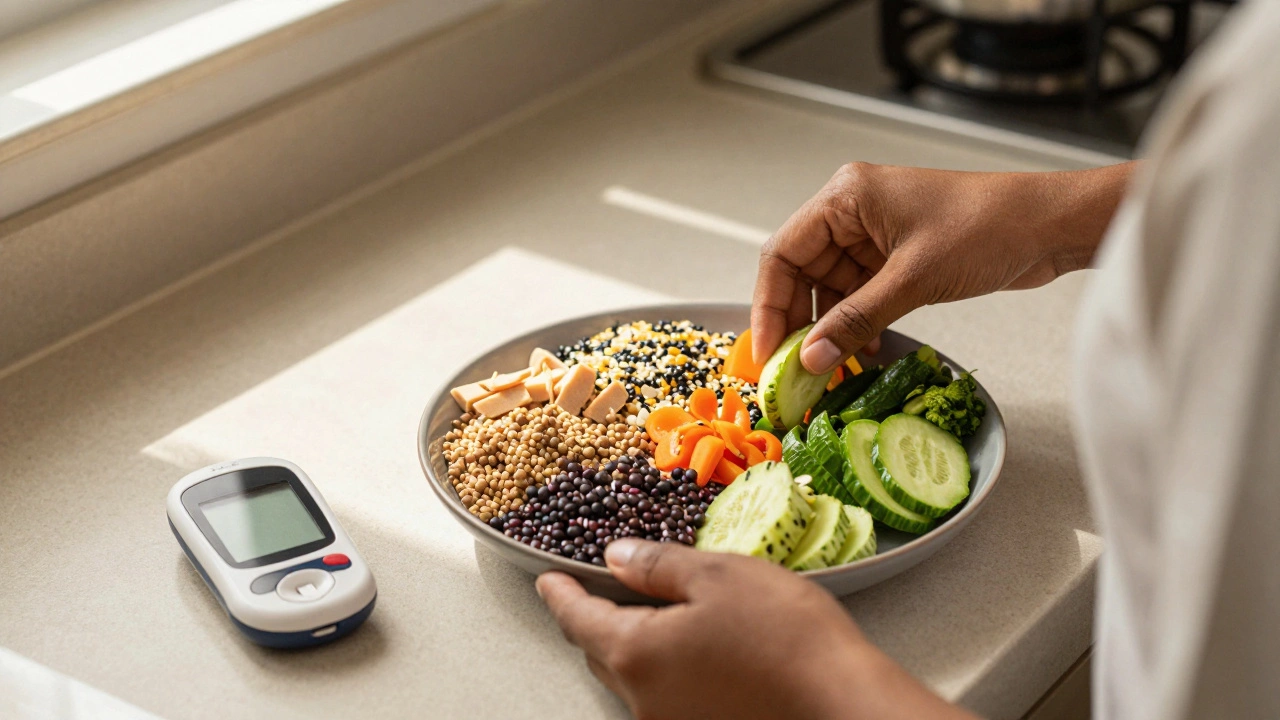
While we focus heavily on medical interventions, lifestyle remains the foundation of diabetes care. No medication is truly safe if it leads to neglecting diet and exercise. Combining medication with regular physical activity, a balanced diet rich in fiber and whole foods, and stress management yields the best outcomes. Sometimes, the safest approach is a holistic one that minimizes medication reliance through sustainable lifestyle changes.
It is also worth noting that healthcare resources vary globally. Just as medical tourism allows patients to seek specialized care abroad, information accessibility is key. For instance, while researching various health topics, one might stumble upon unrelated directories like this resource, which highlights how diverse online information can be. Staying focused on reputable medical sources ensures you get accurate advice tailored to your needs.
How to Choose the Right Medication for You
Choosing the safest diabetic medicine is a collaborative process between you and your healthcare provider. Here are some questions to ask during your next appointment:
- Do I have any existing heart or kidney conditions that would make SGLT2 inhibitors or GLP-1 agonists a better choice?
- Am I at high risk for hypoglycemia due to my job or daily activities?
- Can I afford the newer medications, or do I need a generic option like Metformin or Sulfonylureas?
- Have I experienced side effects from previous medications, and are there alternatives with different mechanisms of action?
- Is my goal primarily blood sugar control, or do I also want to lose weight or protect my organs?
Your doctor will consider your age, comorbidities, kidney function, and personal preferences. There is no one-size-fits-all answer. The safest medicine is the one you can take consistently, tolerates well, and addresses your specific health risks.
Monitoring and Adjusting Your Treatment
Safety isn't static. What is safe for you today might need adjustment tomorrow. Regular monitoring of your HbA1c, kidney function (eGFR), and lipid profile is essential. If you start experiencing new symptoms, such as frequent urination, unexplained fatigue, or signs of infection, contact your doctor immediately. Don't wait for your next scheduled appointment. Early detection of side effects or worsening control can prevent serious complications.
Additionally, keep a log of your blood sugar readings if you use a glucometer or continuous glucose monitor (CGM). This data provides valuable insights into how your body responds to medication, food, and activity. Sharing this information with your healthcare team helps them make informed decisions about adjusting your dosage or switching medications.
Is Metformin safe for everyone with diabetes?
Metformin is safe for most people with Type 2 diabetes, but it is not suitable for those with severe kidney impairment, liver disease, or conditions that may cause tissue hypoxia. Always consult your doctor before starting Metformin to ensure your kidneys are functioning properly.
Which diabetes medication has the lowest risk of hypoglycemia?
Metformin, DPP-4 inhibitors, SGLT2 inhibitors, and GLP-1 agonists all have a very low risk of hypoglycemia when used alone. Sulfonylureas and insulin carry a much higher risk.
Can I stop taking my diabetes medication if I lose weight?
In some cases, significant weight loss can lead to diabetes remission, allowing patients to reduce or stop medication under medical supervision. Never stop taking prescribed medication without consulting your healthcare provider, as this could lead to dangerous spikes in blood sugar.
Are natural supplements safer than prescription diabetes medications?
Natural supplements are not necessarily safer. They are less regulated and can interact with prescription medications. Some supplements may even raise blood sugar or interfere with kidney function. Always discuss any supplements with your doctor before adding them to your routine.
How often should I review my diabetes medication with my doctor?
You should review your diabetes medication at least once a year, or more frequently if your health status changes. Regular check-ups allow your doctor to assess your kidney function, adjust dosages, and switch to safer or more effective options if needed.