Knee Replacement Recovery: What Really Happens After Surgery
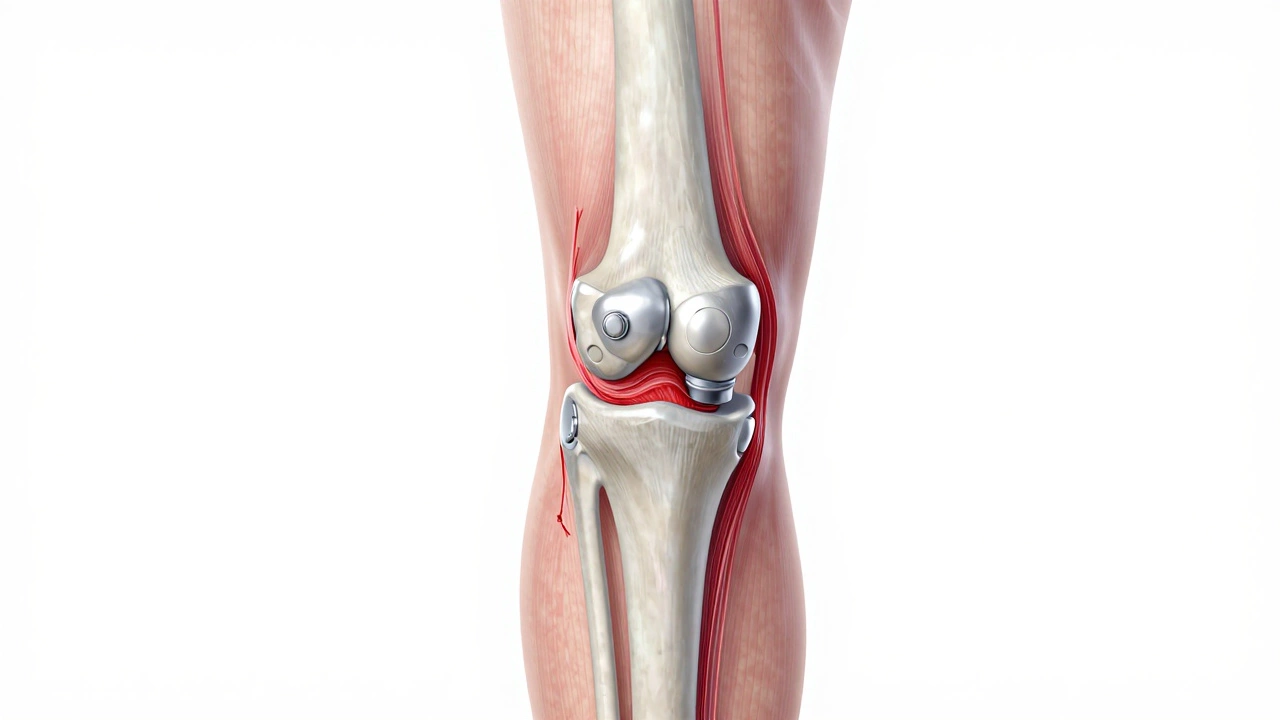
When you have a knee replacement, a surgical procedure where damaged knee joint surfaces are replaced with artificial components. Also known as total knee arthroplasty, it’s one of the most common orthopedic surgeries in India—done when pain and stiffness from arthritis make walking, climbing stairs, or even standing unbearable. But the surgery is only half the battle. What happens next—your knee replacement recovery, the process of regaining movement, strength, and function after joint replacement—determines whether you’ll walk without pain or be stuck with limitations for years.
Recovery isn’t a timeline you check off like a to-do list. It’s a daily practice. Most people start walking with a walker the day after surgery, but real progress comes from consistent physical therapy, not just time passing. Your new joint needs to learn how to move, and your muscles need to relearn how to support it. Skipping exercises because you’re sore? That’s how stiffness sets in. Pushing too hard too fast? That’s how swelling and setbacks happen. The best outcomes come from people who treat rehab like brushing their teeth—non-negotiable, daily, and done right.
There’s more to recovery than physical therapy. You also need to manage swelling, avoid blood clots, control pain without over-relying on meds, and adjust your home so you don’t fall. Simple things like installing grab bars, raising your toilet seat, or keeping a shoe horn by the door make a huge difference. And don’t ignore your mental health. Many patients feel frustrated, anxious, or even depressed during recovery. It’s normal. Talking about it helps. So does seeing real progress—even if it’s just bending your knee 5 degrees more than last week.
Not everyone recovers the same way. Age, weight, fitness level before surgery, and how well you follow your doctor’s plan all matter. But one thing stays true: the people who get back to walking, gardening, or playing with their grandkids aren’t the ones who waited for the pain to disappear. They’re the ones who moved—even when it hurt.
Below, you’ll find real stories and facts from people who’ve been through this. You’ll learn what most doctors don’t tell you about recovery timelines, why some patients end up with stiff knees years later, and how to spot warning signs before they become emergencies. This isn’t theory. It’s what actually works.
How to Loosen a Stiff Knee After Replacement: Proven Exercises & Recovery Tips
Struggling with a stiff knee after replacement? Learn proven exercises, pain management tips, and recovery strategies to restore mobility and reduce stiffness safely.
read more
How Many Days of Rest Are Required After Knee Replacement Surgery?
After knee replacement surgery, most patients need 4 to 6 weeks of rest before returning to daily activities, with full recovery taking 3 to 6 months. Rushing recovery can lead to complications.
read more
How Long Will I Need a Walker After Knee Replacement?
Recovering from a knee replacement involves a mix of patience and perseverance, especially when it comes to mobility aids like a walker. Typically, patients use a walker for a few weeks post-surgery, gradually transitioning to a cane as strength improves. The duration can vary depending on factors like age, general health, and adherence to rehabilitation exercises. Working closely with a physical therapist is crucial for a smooth recovery process.
read more