Orthopedic Specialist Finder
Find Your Ideal Bone Specialist
Select your symptoms to determine which orthopedic subspecialist is best for you
Recommended Specialist
When your knee locks up after a fall, or your lower back screams every time you bend over, you don’t need a general doctor. You need someone who knows bones inside out. But not all doctors are built the same. So, who’s actually best for bones? The short answer: an orthopedic doctor.
What an Orthopedic Doctor Really Does
An orthopedic doctor, or orthopedic surgeon, isn’t just someone who treats broken bones. They handle the entire musculoskeletal system - bones, joints, ligaments, tendons, and muscles. Think of them as mechanics for your body’s structure. They see everything from sports injuries and car accident trauma to chronic conditions like arthritis and osteoporosis.
In India, orthopedic specialists are in high demand because of rising physical activity levels, aging populations, and increased workplace injuries. A 2025 study from the Indian Orthopedic Association found that over 60% of adults over 45 report persistent joint or bone pain. That’s not normal aging - it’s a signal you need expert care.
Types of Orthopedic Specialists You Might Need
Not all bone doctors are the same. Orthopedics has sub-specialties, and choosing the right one makes a huge difference.
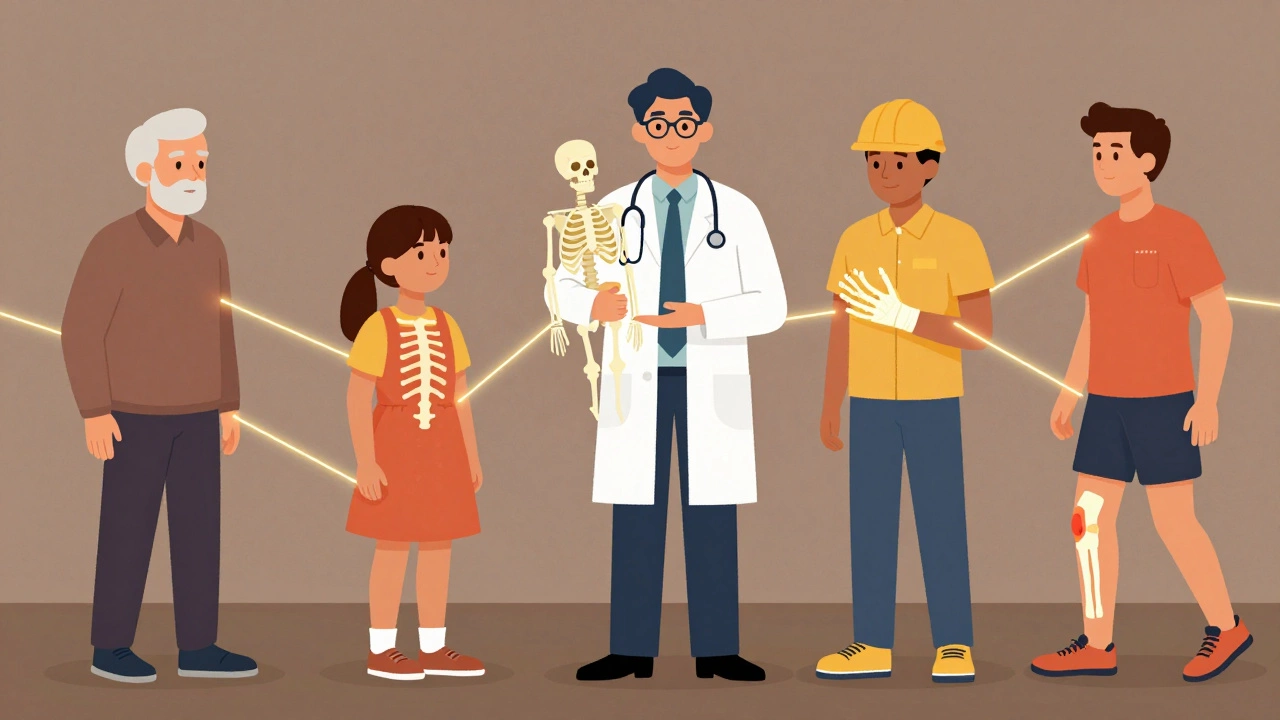
- Joint specialists focus on hips, knees, and shoulders. They’re the ones who do replacements and handle arthritis.
- Spine surgeons deal with herniated discs, spinal stenosis, and scoliosis. If your back pain radiates down your leg, this is who you need.
- Hand and wrist experts treat carpal tunnel, tendon injuries, and fractures in the fingers. They’re trained in micro-surgery.
- Sports medicine doctors work with athletes, but they also help active adults recover from sprains, ACL tears, and overuse injuries.
- Pediatric orthopedists treat growing bones - think clubfoot, scoliosis in teens, or fractures in children.
Most general orthopedic doctors can handle basic cases. But if you have a complex issue - like a failed knee replacement or a rare bone tumor - you’ll want someone with a sub-specialty.
How to Spot a Great Orthopedic Doctor
Not every doctor with an orthopedic title is equally skilled. Here’s what to look for:
- Board certification - In India, this means they passed the DNB or MS in Orthopaedics from a recognized institution. Check their credentials on the National Board of Examinations website.
- Experience with your specific issue - Ask, "How many of these cases have you done?" A surgeon who performs 50+ knee replacements a year is more likely to have refined techniques than someone who does five.
- Hospital reputation - Hospitals with dedicated orthopedic units - like Apollo, Manipal, or Fortis in Bangalore - usually have better equipment, rehab programs, and support staff.
- Patient reviews with details - Skip generic "great doctor!" comments. Look for mentions of clear explanations, follow-up care, and whether they avoided unnecessary surgery.
- Willingness to try non-surgical options first - A good orthopedic doctor won’t rush you to the operating room. They’ll try physical therapy, braces, injections, or lifestyle changes before cutting.
One patient in Bangalore came in with chronic shoulder pain. Three doctors recommended surgery. The fourth - an orthopedic specialist with a sports medicine background - spotted a rotator cuff tear caused by poor posture at her desk job. He prescribed targeted physiotherapy and ergonomic changes. She’s pain-free two years later, no surgery needed.
When You Should See an Orthopedic Doctor
You don’t need to wait until you’re bedridden. Here are clear signs it’s time to see a bone specialist:
- Pain that doesn’t improve after 2 weeks of rest and OTC meds
- Swelling, redness, or warmth around a joint
- Loss of motion - you can’t lift your arm, squat, or walk without limping
- A popping or grinding sound when you move a joint
- Numbness or tingling in arms or legs after an injury
- Visible deformity - a bent bone, crooked knee, or uneven shoulder
If you’re over 50 and notice sudden bone pain without injury, don’t ignore it. It could be osteoporosis or even early signs of bone cancer. Early detection saves limbs.
What to Expect on Your First Visit
Your first appointment shouldn’t feel rushed. A good orthopedic doctor will:
- Ask about your full medical history - including past injuries, surgeries, and medications
- Watch how you walk, sit, and move
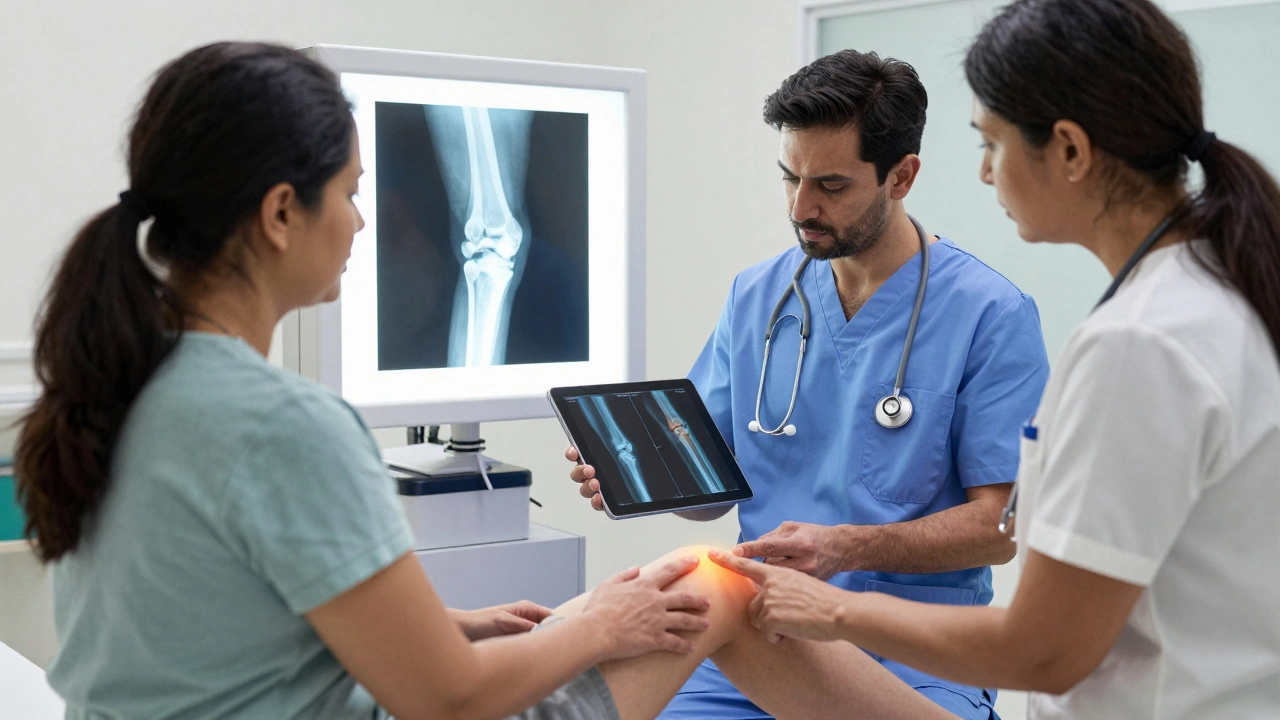
- Perform a physical exam - pressing on areas, checking range of motion
- Order imaging - X-rays are standard. MRIs or CT scans are used if they suspect soft tissue damage
- Explain your diagnosis in plain language - no jargon like "degenerative disc disease" without context
- Present options - surgery, therapy, injections, or watchful waiting
Don’t be afraid to ask: "What happens if I do nothing?" or "What’s the success rate for this treatment?" A confident doctor welcomes questions.
Red Flags to Watch Out For
Some doctors push surgery too fast. Others dismiss pain as "just aging." Here’s what to avoid:
- Doctors who refuse to review your X-rays or MRIs
- Those who say "everyone has this" without explaining why it’s causing pain now
- Providers who only offer one solution - usually surgery
- Offices where you wait over 45 minutes without explanation
- Doctors who don’t answer follow-up questions
One patient in Hyderabad was told her hip pain was "just arthritis" and needed a replacement. A second opinion revealed a stress fracture from a vitamin D deficiency. She healed with supplements and physical therapy. The first doctor skipped basic blood tests.
Where to Find the Best Orthopedic Doctors in India
Major cities have top-tier orthopedic centers. In Bangalore, hospitals like Manipal, Apollo, and Narayana Health have dedicated orthopedic departments with internationally trained surgeons. Look for doctors who:
- Teach at medical colleges - it means they’re active in research and updated on new techniques
- Are part of national orthopedic societies
- Have published studies or presented at conferences
Many private clinics now offer teleconsultations. You can send your X-rays ahead and get a second opinion without traveling. It’s a smart way to compare options.
Why This Matters More Than Ever
Bone health isn’t just about avoiding pain. Weak bones lead to falls, which lead to long hospital stays, loss of independence, and even higher death rates in seniors. The WHO says India will have over 180 million people over 60 by 2030. That’s a lot of people who need expert bone care.
Getting the right orthopedic doctor early means you stay active, avoid long recoveries, and keep living your life - not just surviving it.
Is an orthopedic doctor the same as a rheumatologist?
No. An orthopedic doctor treats structural problems - broken bones, torn ligaments, joint replacements. A rheumatologist treats autoimmune and inflammatory diseases like rheumatoid arthritis, lupus, or gout. If your joint pain is caused by inflammation, you might need both. Often, a rheumatologist manages the disease, and the orthopedist handles the damage it causes.
Do I need surgery if I see an orthopedic doctor?
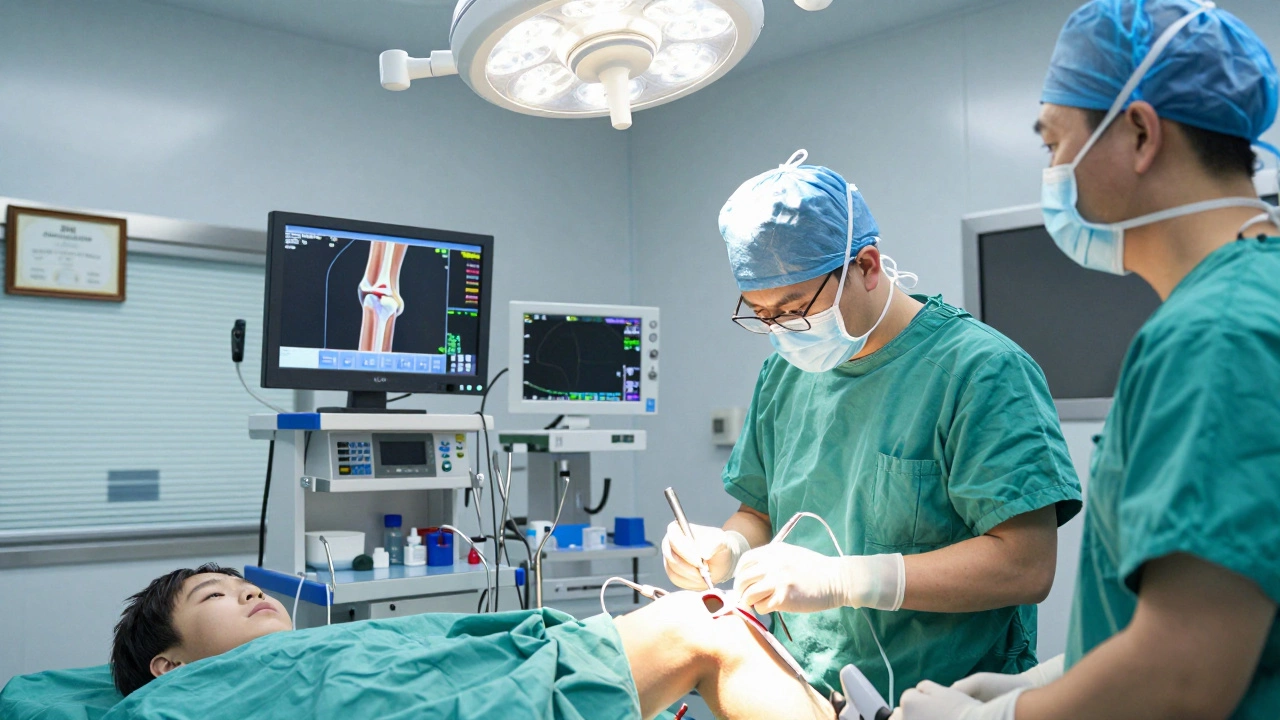
Not at all. Many conditions - like mild arthritis, tendonitis, or minor fractures - respond well to physical therapy, braces, injections, or lifestyle changes. A good orthopedic doctor will always try non-surgical options first. Surgery is only recommended when other treatments fail or if the injury is severe.
Can a general physician treat bone injuries?
They can handle simple cases - like a minor sprain or a small fracture that’s clearly aligned. But they don’t have the training to interpret complex X-rays, perform joint injections, or know when surgery is truly needed. For anything beyond a basic injury, an orthopedic specialist gives you better outcomes and fewer complications.
How long does recovery take after orthopedic surgery?
It varies. A simple arthroscopy might take 4-6 weeks. A total knee replacement can take 3-6 months to fully heal. Recovery depends on your age, overall health, how well you follow rehab instructions, and the type of surgery. Don’t rush it - pushing too hard too soon can cause re-injury.
Are there alternatives to surgery for severe joint pain?
Yes. Options include regenerative therapies like platelet-rich plasma (PRP) or stem cell injections, which are gaining traction in India. Weight loss, custom orthotics, and advanced physiotherapy can also delay or avoid surgery. But these aren’t magic fixes - they work best when combined with lifestyle changes and under expert supervision.