Bipolar Disorder: Signs, Triggers, and What Really Helps
When someone says they have bipolar disorder, a mental health condition marked by extreme shifts in mood, energy, and activity levels. Also known as manic depression, it affects how a person thinks, feels, and handles daily life. This isn’t about being emotional or having a bad day. It’s about cycles that last days, weeks, or even months—where one moment you feel unstoppable, and the next, you can’t get out of bed.
People with bipolar disorder often go through depression, a deep, persistent low that drains energy and hope, followed by mania, a state of intense energy, impulsiveness, or even reckless behavior. These aren’t just mood swings you can snap out of. They’re biological, often tied to brain chemistry, sleep patterns, and stress. Many also deal with anxiety, a constant sense of worry or panic that makes the mood cycles even harder to manage. It’s not rare. One in 50 adults in India lives with this condition, yet most don’t talk about it—because of stigma, misunderstanding, or lack of access to care.
What works? Not willpower. Not positive thinking alone. Treatment usually includes medication—like mood stabilizers or antipsychotics—paired with therapy that helps people spot early signs and build routines. Sleep matters. Routine matters. Even small things like tracking moods or avoiding alcohol can make a big difference. The goal isn’t to be "cured," but to live well despite the condition. Many people with bipolar disorder lead full lives—work, raise families, create art—once they find what fits for them.
Below, you’ll find real stories, science-backed tips, and practical advice from people who’ve walked this path. No fluff. No myths. Just what helps—and what doesn’t.
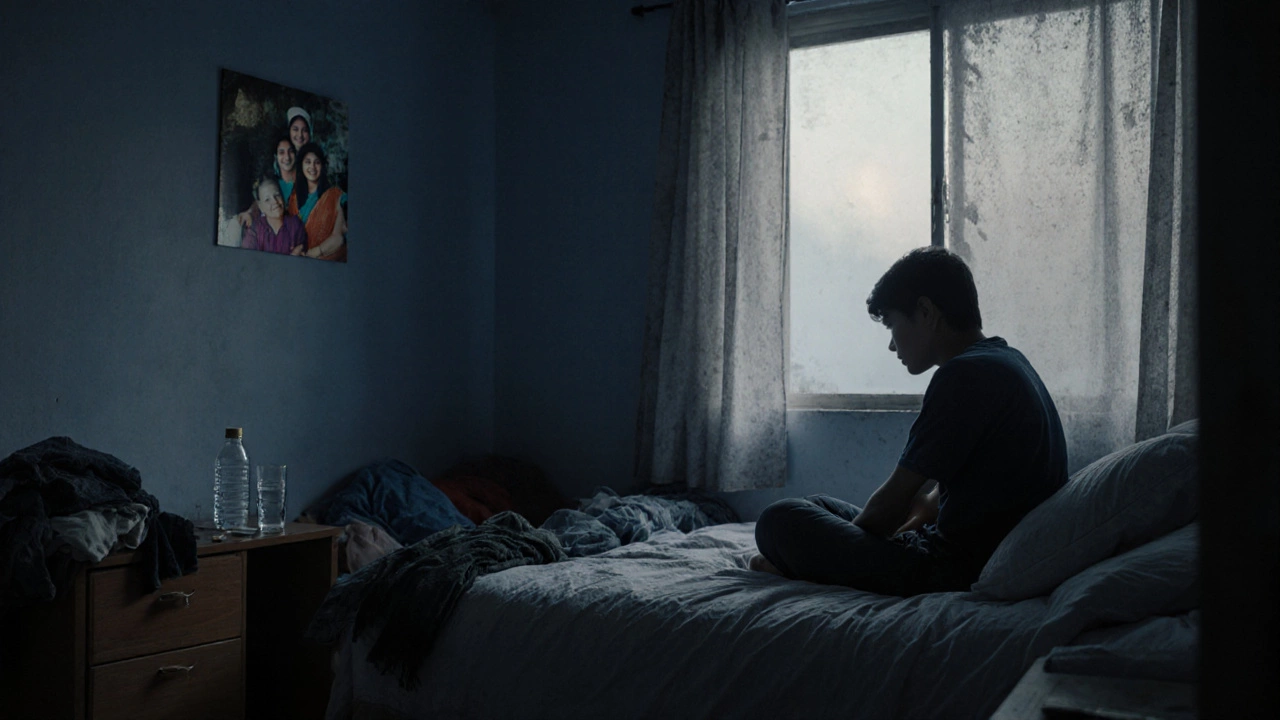
What Is the Most Damaging Mental Illness? Understanding Severity, Impact, and Recovery
Depression, schizophrenia, and bipolar disorder are among the most damaging mental illnesses, each causing deep personal, social, and physical harm. Early treatment and breaking stigma are key to recovery.
read more