Open-Heart Surgery Solo Living Readiness Calculator
Use this tool to assess your readiness for living alone based on the standard recovery milestones outlined by cardiologists. This is not medical advice but a planning aid.
Assessment Result
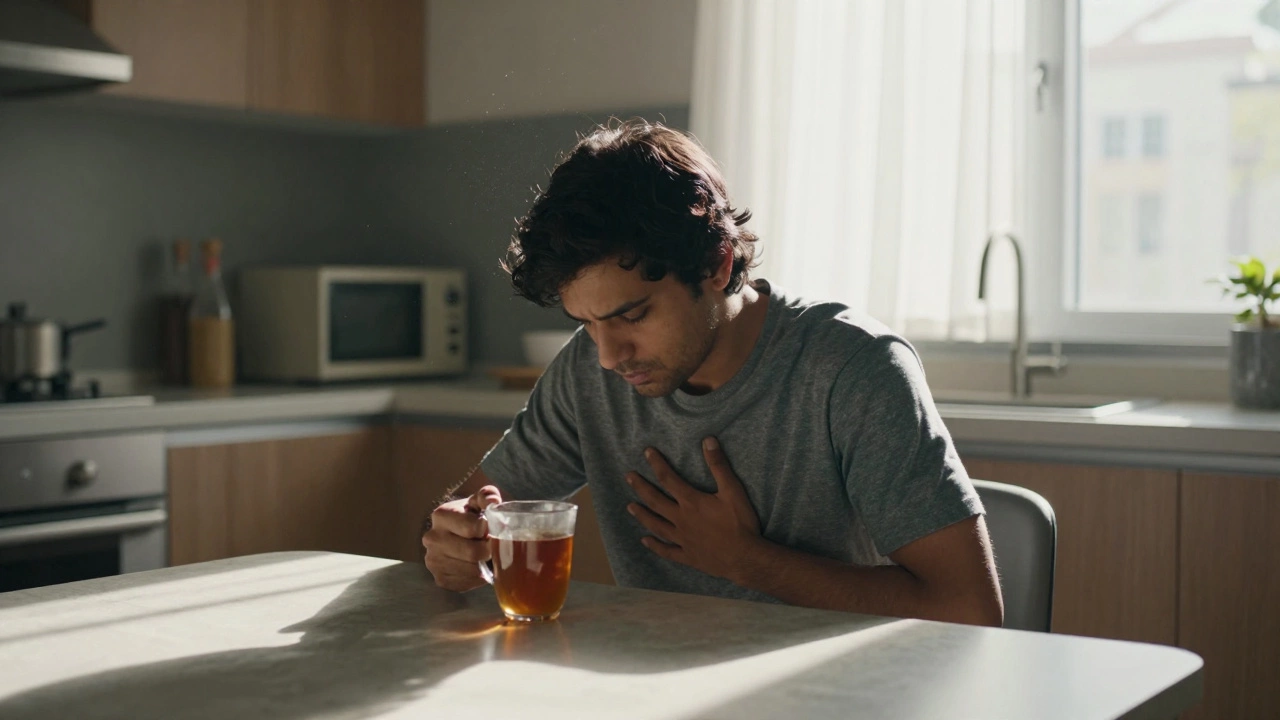
Imagine you are standing in your kitchen. The coffee is brewing. The house is quiet. But your chest feels like it’s wrapped in heavy bandages, and every small movement sends a sharp reminder of the major procedure you just survived. This is the reality for many patients facing the question: how long after open-heart surgery can you live alone?
The short answer is that most surgeons recommend having someone stay with you for at least the first two to four weeks. However, "living alone" doesn't necessarily mean moving back into an empty apartment immediately. It depends on your specific surgery, your physical strength, and your home setup. Rushing this transition is one of the biggest risks during recovery, but planning ahead can give you your independence back sooner than you think.
Understanding the Physical Reality of Weeks 1-4
To understand why you can’t just pack up and go home to solitude on day one, we need to look at what actually happens inside your body. During sternotomy, which is the surgical splitting of the breastbone to access the heart, the bone is wired back together. This wire holds the sternum in place while it heals, a process called osseous union.
In the first four weeks, that sternum is incredibly fragile. It takes about six to eight weeks for the bone to knit back together strongly enough to handle normal stress. Until then, you are operating under strict "sternal precautions."
- You cannot lift anything heavier than a gallon of milk (about 8-10 pounds).
- You cannot push or pull with your arms (like opening a heavy door or pushing a vacuum cleaner).
- You must avoid sudden twisting motions.
If you live alone, who helps you when you drop your keys? Who carries the laundry basket? Who cooks the dinner? These aren't just chores; they are potential medical emergencies if you strain your chest too early. A displaced sternum requires another surgery to fix. That is why the presence of a caregiver is non-negotiable in these early days.
The Role of Cardiac Rehabilitation in Regaining Independence
Cardiac rehabilitation is not just exercise; it is the bridge between hospital care and independent living. Most programs start within two to four weeks after discharge. This is where you learn how to move safely, manage your energy, and monitor your heart rate.
Participating in cardiac rehab significantly reduces the risk of readmission and death. It also provides a structured environment where nurses and therapists can assess your readiness to be alone. If you are struggling to walk up stairs without getting dizzy or short of breath, you are not ready to live alone, regardless of how much you want to.
Think of cardiac rehab as a trial run. If you can complete a session and return home feeling stable, you are building the stamina needed for solo living. If you feel exhausted or faint, your body is telling you that you still need support.
Signs You Are Ready to Transition to Living Alone
There is no single calendar date when everyone gets the green light. Instead, look for these functional milestones. You should discuss each of these with your cardiologist before making any changes to your living situation.
- Pain Management: Your pain is controlled with oral medication, and you don’t need IV painkillers or frequent nursing checks.
- Wound Care: You can inspect your incision site yourself (or have a nurse visit) and keep it clean without assistance. There are no signs of infection like redness, swelling, or drainage.
- Medication Adherence: You can organize and take your multiple daily medications (blood thinners, beta-blockers, statins) correctly without reminders. Missing a dose of blood thinners can be fatal.
- Mobility: You can walk around your entire home, including using the bathroom and shower, without assistance or fear of falling.
- Cooking and Shopping: You can prepare simple, heart-healthy meals. This might mean using pre-cut vegetables or slow-cooker recipes that require minimal lifting and stirring.
If you can check all these boxes, you might be ready to consider living alone, perhaps starting with shorter periods away from your caregiver to test your limits.
Modifying Your Home for Safety
Living alone after open-heart surgery requires turning your home into a safe zone. You need to remove obstacles that could cause falls or require excessive effort.
| Area | Modification Needed | Reason |
|---|---|---|
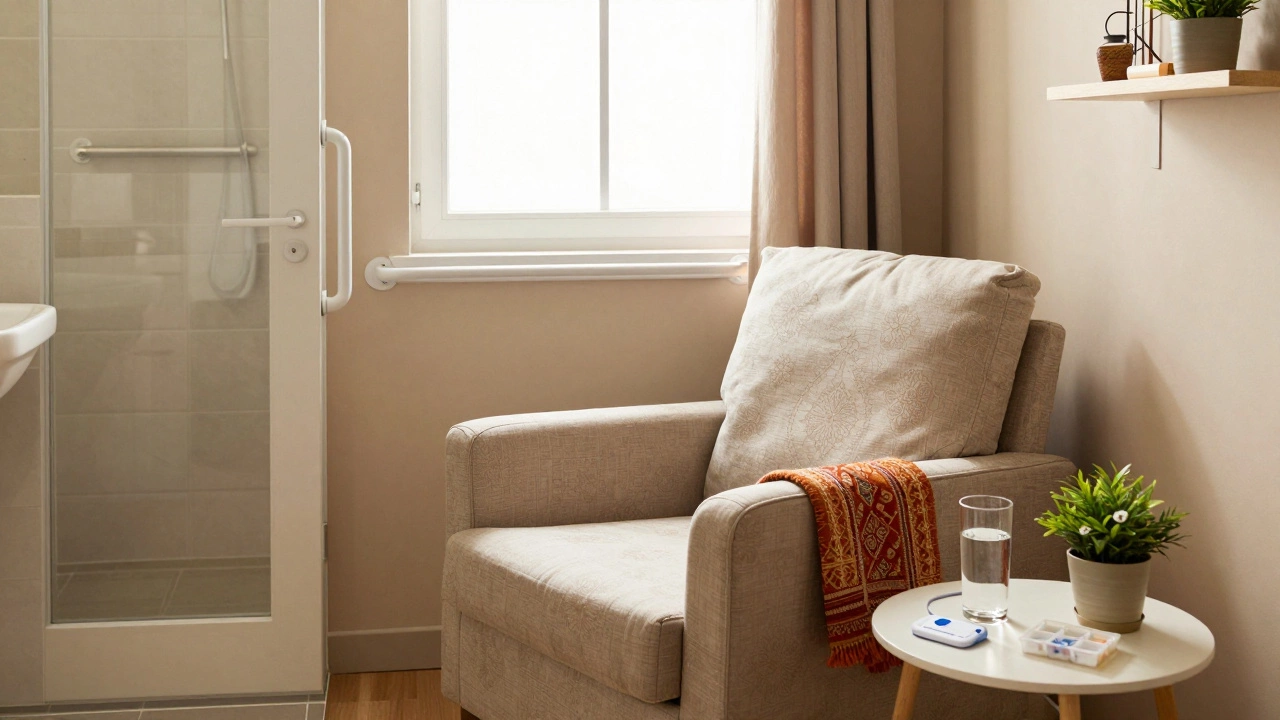
| Bathroom | Install grab bars and a shower chair | Prevents falls; sitting reduces strain on the chest |
| Kitchen | Keep essentials on middle shelves | Avoids reaching high or bending low |
| Bedroom | Clear floor clutter | Reduces tripping hazards in low-light conditions |
| General | Use a reacher/grabber tool | Allows picking up items without bending or lifting |
Consider investing in a medical alert system. These devices allow you to call for help instantly if you fall or feel unwell. For someone living alone, this is not a luxury; it is a safety net.
The Emotional Challenge of Solitude
We often focus on the physical scars, but the mental toll of recovering alone is significant. Depression and anxiety are common after major heart surgery. Studies show that up to 30% of cardiac patients experience some form of mood disorder during recovery.
Isolation can worsen these feelings. When you live alone, there is no one to talk to, no one to notice if you’re skipping meals, and no one to encourage you to take your meds. This is why maintaining social connections is part of the medical plan. Schedule regular video calls, join online support groups for heart patients, or arrange for friends to stop by briefly.
Loneliness isn't just uncomfortable; it affects your heart health. Stress hormones rise when you feel isolated, which can increase blood pressure and heart rate. Combating loneliness is a proactive step in protecting your recovery.
When to Seek Professional Help
If you do not have family or friends nearby, you should not try to tough it out. There are professional services designed exactly for this scenario.
- Home Health Aides: They can help with bathing, dressing, and light housekeeping for a few hours a day.
- Visiting Nurses: They can check your vitals, change dressings, and monitor your wound.
- Meal Delivery Services: Programs like Meals on Wheels or local community kitchens provide nutritious food without the effort of cooking.
Insurance often covers some of these costs if your doctor certifies that you need them. Ask your hospital discharge planner about available resources before you leave. Do not assume you have to pay out of pocket for everything.
A Realistic Timeline for Independence
Here is a general roadmap to help you visualize the journey back to solo living:
- Weeks 1-2: Full-time caregiver required. Focus on rest, walking short distances, and managing pain.
- Weeks 3-4: Caregiver can reduce hours. You may start doing light self-care tasks. Begin cardiac rehab.
- Weeks 5-6: Test short periods alone (e.g., daytime only). Ensure you can cook and clean minimally.
- Weeks 6-8: With doctor’s approval, transition to full-time solo living if milestones are met. Continue cardiac rehab.
- Months 3-6: Gradual return to normal activities. Lifting restrictions usually lifted after 8-12 weeks.
Remember, this timeline varies. Some people heal faster; others face complications like atrial fibrillation or infection that delay progress. Listen to your body, not just the calendar.
Can I live alone immediately after open-heart surgery?
No, it is highly unsafe to live alone immediately after open-heart surgery. You will need assistance with basic tasks like bathing, cooking, and medication management. Most surgeons require a caregiver to stay with you for at least the first two to four weeks to prevent complications and ensure safety.
What are the biggest risks of living alone during recovery?
The primary risks include falls due to weakness or dizziness, accidental strain on the healing sternum leading to displacement, missed medication doses, and inability to seek emergency help if symptoms like chest pain or severe shortness of breath occur. Isolation can also lead to depression, which hinders physical recovery.
How do I know if my sternum is healing properly?
Signs of proper healing include reduced pain over time, no clicking or popping sensations in the chest when moving, and no visible gaps or bulging at the incision site. If you experience sudden sharp pain, fever, redness, or drainage from the wound, contact your surgeon immediately as these may indicate infection or sternal instability.
Does insurance cover home health aides after heart surgery?
Coverage varies by plan and location. Many Medicare and private insurance plans cover skilled nursing visits and physical therapy if deemed medically necessary. Personal care aides for non-medical tasks like cooking or cleaning may not be fully covered, but Medicaid waivers or community programs might offer assistance. Always consult your hospital's social worker or discharge planner for specific options.
When can I start driving again after open-heart surgery?
Most doctors advise against driving for at least four to six weeks after open-heart surgery. You must be off narcotic pain medications and able to perform an emergency stop without pain or hesitation. Check with your local Department of Motor Vehicles, as some regions have specific legal requirements for returning to driving after cardiac events.