Cancer Wellness Support Score Calculator
Your Wellness Score
Max Score: 100%
- • Diet Quality: 30 points
- • Physical Activity: 20 points
- • Mind & Stress: 20 points
- • Sleep Hygiene: 20 points
- • Medical Compliance: 10 points
Imagine being told you have cancer. The fear is immediate. Then, someone whispers that a specific fruit or herb can "destroy" the disease on its own. It sounds like a miracle, doesn't it? But here is the hard truth: no natural substance has been proven to cure cancer by itself in clinical trials. However, that doesn’t mean nature has nothing to offer. In fact, your daily habits-what you eat, how you move, and how you manage stress-can significantly impact how well your body responds to medical treatments like chemotherapy and radiation.
This article isn’t about replacing doctors with detox teas. It’s about understanding how natural lifestyle interventions can work alongside conventional medicine to strengthen your immune system, reduce side effects, and potentially improve outcomes. We will look at what science actually says about diet, exercise, and mind-body practices in the context of cancer treatment.
The Myth of "Natural Cures" vs. Complementary Care
First, let’s clear up a dangerous misconception. Many people confuse "complementary" with "alternative." Alternative medicine means using natural remedies *instead* of standard medical care. This approach often leads to worse outcomes because the cancer continues to grow unchecked. Complementary medicine, on the other hand, uses natural methods *alongside* standard care to improve quality of life.
Think of it this way: if chemotherapy is the army fighting the war, your lifestyle is the supply line keeping the soldiers fed and rested. Without the army (medical treatment), the war is likely lost. Without the supply line (healthy lifestyle), the army might not fight as effectively. The goal is integration, not replacement.
Dietary Strategies That Support Immune Function
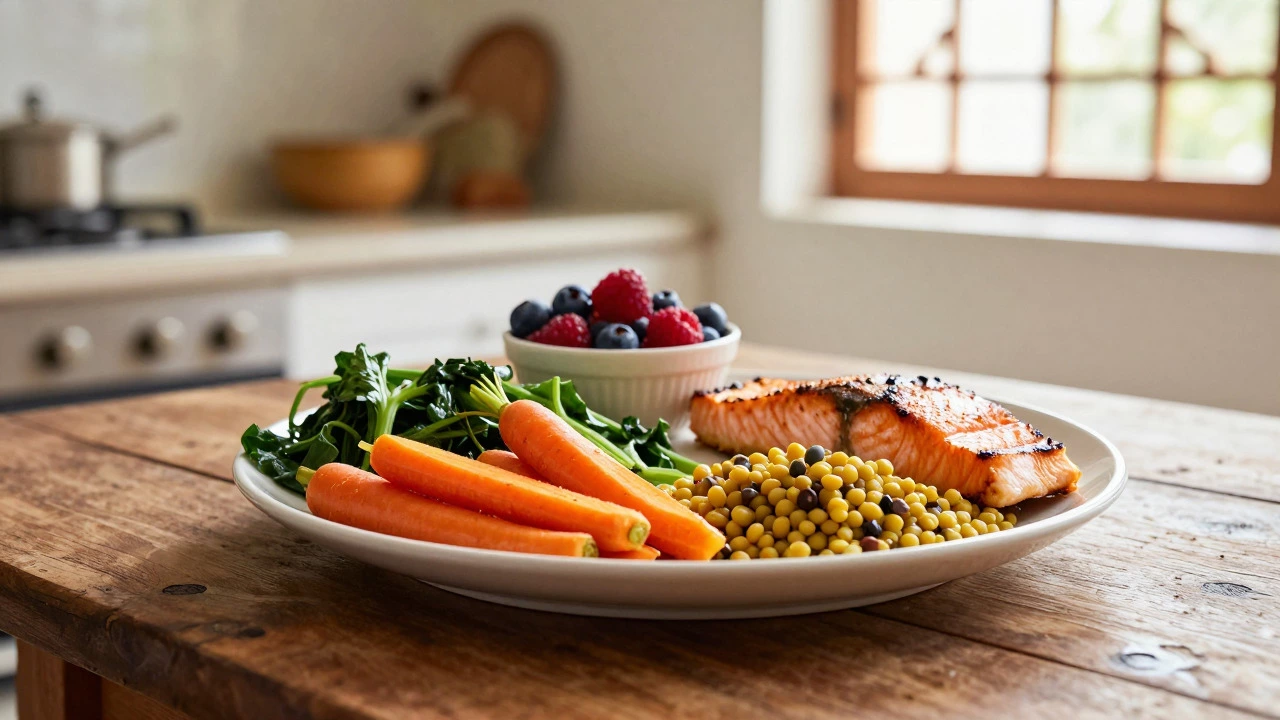
Your cells need fuel to repair themselves after the damage caused by cancer therapies. A nutrient-dense diet provides that fuel. Research suggests that certain dietary patterns can help reduce inflammation and oxidative stress, two factors that play a role in cancer progression.
- Plant-Forward Eating: Diets rich in vegetables, fruits, whole grains, and legumes are linked to better survival rates in several cancers, including breast and colorectal cancer. These foods are packed with phytochemicals-compounds like flavonoids and carotenoids-that may protect cells from damage.
- Anti-Inflammatory Foods: Chronic inflammation can feed cancer growth. Incorporate foods known to lower inflammation, such as fatty fish (rich in omega-3 fatty acids), turmeric (containing curcumin), green tea, and berries.
- Avoiding Processed Sugars: While sugar doesn’t directly cause cancer, high-sugar diets can lead to obesity and insulin resistance, both of which are risk factors for various cancers. During treatment, keeping blood sugar stable can also help maintain energy levels.
It’s important to note that during active treatment, especially chemotherapy, your appetite and taste may change. You might lose your desire for healthy foods. In these cases, prioritize protein intake to preserve muscle mass. Talk to a registered dietitian who specializes in oncology nutrition. They can create a plan that fits your specific needs and tolerances.
The Role of Physical Activity in Recovery
When you’re sick, the last thing you want to do is exercise. Yet, studies consistently show that regular physical activity is one of the most powerful tools for cancer patients. Exercise reduces fatigue, improves mood, and helps maintain strength during treatment.
How does it work? Movement increases blood flow, delivering oxygen and nutrients to tissues more efficiently. It also helps regulate hormones like insulin and estrogen, which can influence cancer growth. For example, women with breast cancer who engage in moderate exercise during and after treatment have lower risks of recurrence compared to those who remain sedentary.
You don’t need to run marathons. Start small. A 15-minute walk after meals can aid digestion and boost energy. As your strength returns, aim for 150 minutes of moderate-intensity activity per week, as recommended by major health organizations. Always consult your oncologist before starting a new exercise routine, especially if you have low blood counts or bone metastases.

Mind-Body Practices for Stress Reduction
Stress doesn’t cause cancer, but chronic stress weakens the immune system. When you’re stressed, your body produces cortisol, a hormone that can suppress immune function over time. Managing stress isn’t just about feeling good; it’s about giving your immune system the best chance to fight.
Techniques like meditation, yoga, and deep breathing exercises have been shown to reduce anxiety and improve sleep quality in cancer patients. Mindfulness-based stress reduction (MBSR) programs, for instance, have helped thousands of patients cope with the emotional toll of diagnosis and treatment. These practices activate the parasympathetic nervous system, helping your body shift from "fight or flight" mode to "rest and digest" mode.
Try this simple technique: inhale deeply for four seconds, hold for four seconds, and exhale slowly for six seconds. Repeat this cycle five times. It takes less than two minutes and can lower your heart rate immediately. Over time, regular practice can build resilience against the emotional highs and lows of cancer treatment.
Natural Supplements: Proceed with Caution
Many people turn to supplements like vitamin C, echinacea, or milk thistle, hoping they will boost their immunity. However, supplements can interact dangerously with cancer medications. For example, high doses of antioxidants might interfere with the mechanism of action of some chemotherapy drugs, which rely on creating oxidative stress to kill cancer cells.
Always talk to your healthcare team before taking any supplement. Here are a few general guidelines:
- Vitamin D: Low levels of vitamin D are common in cancer patients and have been linked to poorer outcomes. Supplementation may be beneficial if you are deficient, but only under medical supervision.
- Omega-3 Fatty Acids: Found in fish oil, these may help reduce inflammation and prevent muscle wasting. They are generally considered safe but should be discussed with your doctor, especially if you are on blood thinners.
- Probiotics: Gut health is crucial during treatment, especially if you experience diarrhea or antibiotic use. Probiotics can help restore healthy gut bacteria, but choose strains that are well-researched and approved by your care team.
Remember, "natural" does not always mean "safe." Some herbal supplements can affect liver enzymes that process chemotherapy drugs, leading to toxicity or reduced effectiveness of treatment.

Sleep and Circadian Rhythms
Sleep is when your body repairs itself. Poor sleep disrupts circadian rhythms, which regulate hormone production and cell regeneration. Disrupted circadian rhythms have been associated with increased cancer risk and worse prognosis in some studies.
To improve sleep hygiene:
- Keep a consistent sleep schedule, even on weekends.
- Avoid screens (phones, tablets) at least an hour before bed, as blue light suppresses melatonin production.
- Create a cool, dark, and quiet sleeping environment.
- Limit caffeine intake after noon.
If insomnia persists, consider cognitive behavioral therapy for insomnia (CBT-I), which is highly effective and non-pharmacological. Better sleep means a stronger immune response and improved ability to tolerate treatment side effects.
Building a Supportive Environment
Cancer is not fought alone. Social support plays a critical role in recovery. Isolation can increase stress and depression, while connection fosters resilience. Joining a support group, whether in person or online, allows you to share experiences and practical tips with others who understand what you’re going through.
Family and friends can also contribute by helping with daily tasks, preparing nutritious meals, or simply listening without judgment. Don’t hesitate to ask for help. Accepting support is not a sign of weakness; it’s a strategic move to conserve your energy for healing.
| Approach | Potential Benefit | Risk/Caution | Evidence Level |
|---|---|---|---|
| Plant-Based Diet | Reduces inflammation, supports immunity | May require professional guidance during treatment | Strong observational data |
| Regular Exercise | Decreases fatigue, lowers recurrence risk | Must be tailored to physical condition | High-quality clinical trials |
| Meditation/Yoga | Lowers stress, improves sleep quality | Minimal risk, avoid strenuous poses during treatment | Moderate evidence |
| Herbal Supplements | May address specific deficiencies | High risk of drug interactions | Variable, often limited |
Frequently Asked Questions
Can natural remedies replace chemotherapy?
No. There is no scientific evidence that natural remedies alone can cure cancer. Relying solely on alternative treatments often delays effective care, leading to worse outcomes. Natural approaches should complement, not replace, standard medical treatments.
What is the best diet for someone undergoing cancer treatment?
There is no single "best" diet, but a plant-forward diet rich in colorful vegetables, fruits, whole grains, and lean proteins is generally recommended. Focus on anti-inflammatory foods like berries, leafy greens, and fatty fish. Avoid processed sugars and heavily processed meats. Consult an oncology dietitian for personalized advice based on your specific treatment and side effects.
Are there any supplements I should avoid during chemotherapy?
Yes, high-dose antioxidants (like large amounts of vitamin C or E) may interfere with some chemotherapy drugs that work by generating free radicals to kill cancer cells. Herbal supplements like St. John’s Wort can also interact with many medications. Always disclose all supplements to your oncologist before taking them.
How much exercise is safe during cancer treatment?
The amount varies by individual. Generally, 150 minutes of moderate-intensity exercise per week is a good goal if tolerated. Start with short walks (10-15 minutes) and gradually increase duration and intensity. Listen to your body and rest when needed. Your care team can provide specific guidelines based on your blood counts and overall health.
Does stress really affect cancer progression?
While stress does not directly cause cancer, chronic stress can weaken the immune system and promote inflammation, which may create a favorable environment for cancer growth. Managing stress through mindfulness, therapy, or relaxation techniques can support overall well-being and potentially improve treatment tolerance.
Can I eat organic food to reduce cancer risk?
Organic foods may have lower pesticide residues, but the difference in cancer risk between organic and conventional produce is minimal. The most important factor is eating plenty of fruits and vegetables, regardless of whether they are organic. Wash all produce thoroughly to remove surface contaminants.