
Travel Medical Cost & Risk Estimator
Planning a trip? Estimate the financial impact of an unexpected medical event and determine if your current safety net is sufficient.
Trip Details
Estimated Outcome
Key Advice
Enter your trip details to see estimated medical costs and insurance recommendations.
You’re three days into a dream vacation in Bali or a business trip to Singapore when it hits you. A fever spikes, your stomach rebels, or worse, you twist an ankle on uneven pavement. The panic sets in instantly. You don’t speak the local language fluently, you have no idea which hospital is reputable, and the last thing you want is a bill for $5,000 for a simple X-ray. This scenario terrifies travelers, but it doesn’t have to derail your trip or your bank account. Understanding how medical tourism intersects with emergency care can save you from chaos.
The Immediate Reaction vs. The Reality
Most people freeze. They call their hotel concierge, who might suggest a clinic that pays them a commission, not necessarily the best medical facility. Or they go to the nearest public hospital, only to find themselves waiting six hours for a doctor while speaking broken English to a nurse who doesn’t understand their symptoms. The reality of getting sick abroad depends entirely on where you are and what kind of coverage you have. In countries like Thailand, India, or Turkey, private hospitals often offer faster, higher-quality care than public systems, but at a premium price. In parts of Europe or Canada, public healthcare is excellent but may require proof of residency or specific insurance arrangements for non-citizens.
Here is the hard truth: Medical tourism isn't just about flying somewhere cheap for elective surgery. It’s also about navigating the healthcare landscape when things go wrong unexpectedly. If you are traveling from India to the US, a simple ER visit can cost thousands. If you are traveling from the US to India for routine dental work, you might be surprised by the quality-to-cost ratio. Knowing the difference between urgent care and emergency care is your first line of defense.
Before You Pack: The Insurance Safety Net
Did you buy travel insurance? If you said "no" because you thought it was a waste of money, you are gambling with your health. Standard domestic health insurance rarely covers international emergencies fully. Some plans cover 80% after you pay out-of-pocket, others cover nothing outside your home country. Travel Health Insurance is a specific product designed to handle cross-border medical events.
When choosing a policy, look for these three critical features:
- Direct Billing: Does the insurer have agreements with hospitals abroad so you don’t have to pay upfront? This is crucial if you don’t have $10,000 in cash on hand.
- Evacuation Coverage: If you need specialized care not available locally, will they fly you home? This can cost upwards of $50,000 without insurance.
- Pre-existing Conditions: Many policies exclude conditions you had before departure. Read the fine print.
For Indian travelers heading to Southeast Asia or the Middle East, comprehensive travel insurance is often cheaper than a single night in a luxury hotel. It’s the most important item in your carry-on bag, more valuable than your passport copy.
Navigating Healthcare Systems: Public vs. Private
Healthcare models vary wildly across borders. In the UK’s National Health Service (NHS), emergency care is free at the point of use for everyone, but non-urgent treatment for tourists can be delayed. In the United States, there is no such thing as "free" emergency care; you get treated first, billed later, and the bill can be astronomical. In countries popular for Medical Tourism, like India, Thailand, and Mexico, private hospitals cater specifically to international patients.
| Region/Country | Public Hospital Experience | Private Hospital Experience | Avg. Cost (ER Visit) |
|---|---|---|---|
| United States | Long waits, high bills | Faster, very expensive | $1,500 - $3,000+ |
| Thailand | Crowded, language barrier | JCI Accredited, English-speaking staff | $100 - $300 |
| India | Overcrowded, variable quality | World-class, tech-heavy, affordable | $50 - $150 |
| Germany | Efficient, requires ID | Similar to public, faster | €100 - €200 |
In places like Bangkok or Bangalore, private hospitals like Bumrungrad International or Manipal Hospitals have dedicated international patient departments. These teams speak English, Mandarin, Arabic, and other languages. They handle billing directly with your insurance provider. This eliminates the stress of translation errors and payment disputes. If you are already in a country known for medical tourism, leverage this infrastructure. Don’t wander into a random street clinic unless it’s a minor scrape.

The Language Barrier and Cultural Nuances
Symptoms don’t translate easily. Saying "my stomach hurts" might mean appendicitis to one doctor and indigestion to another. Miscommunication leads to misdiagnosis. Before you travel, download offline medical translation apps. Learn the basic phrases for pain, allergy, and emergency in the local language. Keep a card in your wallet that lists your blood type, allergies, and current medications in both English and the local script.
Cultural attitudes toward medicine also differ. In some Asian cultures, doctors may prescribe antibiotics for viral infections because patients expect them. In Western countries, doctors might withhold strong medication until tests confirm a bacterial cause. Be assertive but polite. Ask questions. If you don’t understand a procedure, ask for a written explanation. In many top-tier international hospitals, consent forms are provided in multiple languages. Never sign a form you haven’t read, even if you are in pain.
Cost Shock: What to Expect on the Bill
Let’s talk numbers. If you break a leg in Switzerland, you could face a bill of CHF 5,000 for initial stabilization. The same injury in Costa Rica might cost $800. This disparity is why medical tourism exists. People travel for planned procedures, but unexpected injuries highlight the arbitrage opportunity too.
Always ask for an estimate before agreeing to treatment. In private hospitals abroad, you can often negotiate packages. For example, an MRI might be quoted at $600, but a package including consultation and follow-up might be $750. Get everything in writing. Keep every receipt, prescription, and discharge summary. You will need these documents for insurance claims and for your primary doctor back home. Without detailed records, your home doctor might repeat tests, costing you more time and money.
When to Evacuate vs. When to Stay
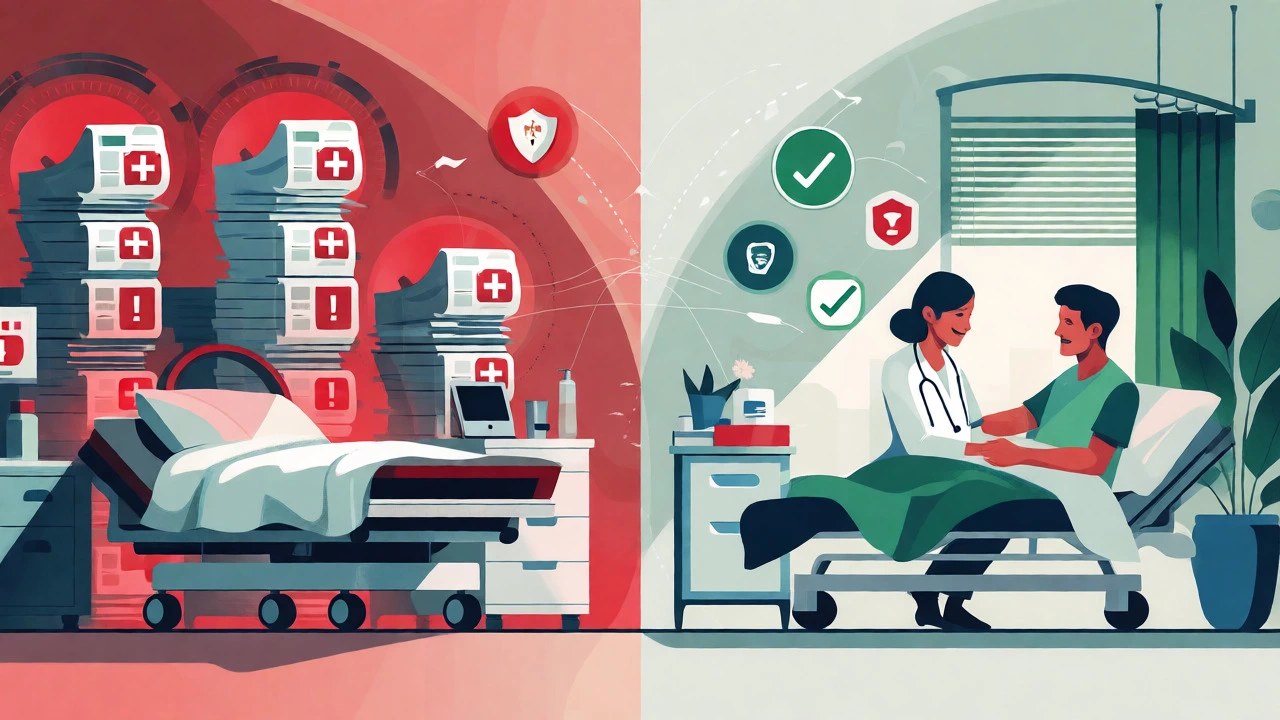
Not all problems can be solved locally. If you suffer a complex cardiac event in a rural area of Peru, you might need evacuation to Lima or even the US. Travel insurance usually decides this based on medical necessity, not your preference. However, for common issues like dengue fever, food poisoning, or fractures, staying local is often better. Local doctors know the endemic diseases. A tourist falling ill in Kerala needs a doctor who knows how to treat tropical fevers quickly, not a generalist in New York who sees one case a year.
Consider the logistics of evacuation. It involves air ambulances, specialized nurses, and coordination between hospitals. It takes time. If you can stabilize locally, do so. Use the local expertise. Then, once stable, arrange a commercial flight home if needed. This approach saves money and reduces physical stress on the patient.
Preparing for the Unexpected
You can’t predict illness, but you can prepare for it. Carry a small first-aid kit with medications you trust. Bring prescriptions for any chronic conditions, plus a few extra days’ supply. Research hospitals near your accommodation before you arrive. Save the phone number of your country’s embassy or consulate. They can provide lists of recommended doctors and help with communication if you are hospitalized alone.
Finally, check your credit card benefits. Many premium cards include travel accident insurance or emergency medical coverage. It’s not a substitute for full travel insurance, but it’s a safety net. Call the number on the back of your card immediately if an incident occurs. They often have 24/7 assistance lines that can guide you to partner hospitals.
Getting sick abroad is inconvenient, but it’s manageable. The key is preparation. Know your insurance limits, identify quality care options in advance, and communicate clearly. With the right strategy, a medical hiccup becomes a story you tell later, rather than a crisis that ruins your journey.
Does my regular health insurance cover me overseas?
Usually, no. Most domestic health insurance plans, especially in the US, offer little to no coverage for care received outside the country. Even if they do, you typically have to pay upfront and seek reimbursement later. Always purchase separate travel health insurance for international trips.
What is the cheapest way to see a doctor abroad?
Using telemedicine apps is often the cheapest option for minor issues. Many global providers offer video consultations for $20-$50. For physical visits, private clinics in countries with low labor costs (like India, Thailand, or Mexico) are significantly cheaper than Western standards. Avoid emergency rooms for non-life-threatening issues.
How do I prove I paid for medical services for insurance?
You need itemized receipts, diagnosis codes (ICD-10), and a medical report. Ensure the hospital provides these in English. If they don’t, use a certified translator service. Submit these documents within the claim window specified by your insurer, usually 30-90 days after treatment.
Can I bring prescription drugs into another country?
Rules vary strictly by country. Some medications legal in India or the US are controlled substances in Japan or UAE. Always carry meds in original packaging with a prescription copy. Check the destination country’s customs website before packing. Failure to declare can lead to fines or confiscation.
What if I get sick in a remote area with no good hospitals?
This is where medical evacuation coverage is vital. Contact your insurer’s emergency line immediately. They will coordinate transport to the nearest adequate facility. Do not attempt long-distance travel yourself if the condition is unstable. Wait for professional medical transport if possible.