
Ozempic & Metformin Weight Loss Calculator
Results are estimates based on clinical studies. Actual weight loss varies based on individual factors including diet, activity level, and genetics.
People asking how much weight they can lose with Ozempic and metformin aren’t just curious-they’re often struggling with weight gain tied to insulin resistance or type 2 diabetes. The truth? These two medications don’t work like magic pills, but when used right, they can help you shed a meaningful amount of weight-especially if you’re already managing blood sugar.
What Ozempic Actually Does
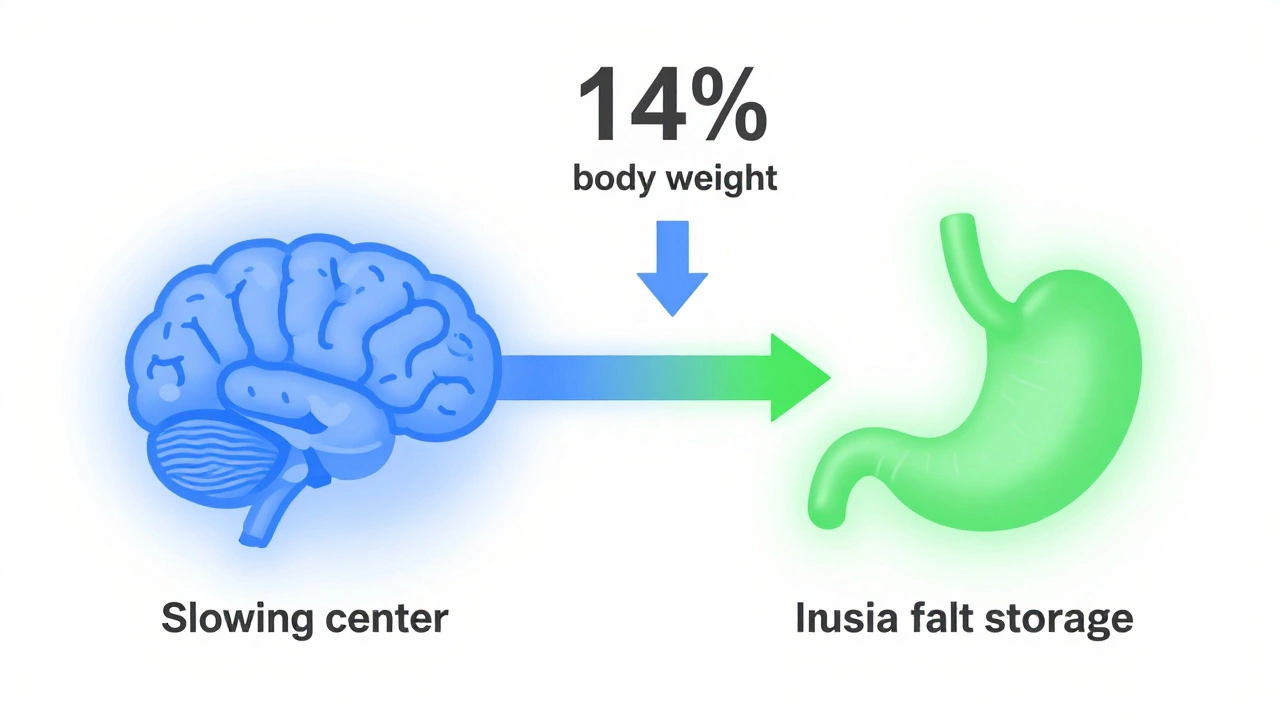
Ozempic is the brand name for semaglutide, a GLP-1 receptor agonist. It was originally designed to help people with type 2 diabetes control their blood sugar, but doctors quickly noticed something else: patients were losing weight. Not a little. In clinical trials, people on Ozempic lost an average of 10 to 15% of their body weight over a year. That’s not theoretical-it’s real. For someone weighing 200 pounds, that’s 20 to 30 pounds gone. How? It slows down how fast your stomach empties, so you feel full longer. It also talks directly to your brain’s appetite center, turning down hunger signals. You don’t feel obsessed with food. Cravings drop. Portion sizes feel bigger than they used to.
Metformin’s Role in Weight Loss
Metformin has been around for decades. It’s cheap, safe, and used by millions. It doesn’t cause weight gain like some other diabetes drugs. In fact, many people on metformin lose a few pounds without even trying. Studies show an average loss of 2 to 5% of body weight over six months. That’s modest compared to Ozempic, but it adds up. Metformin works by making your body more sensitive to insulin. When insulin levels drop, your body stops storing fat as easily. It also reduces liver glucose production and may slightly curb appetite. It’s not a hunger suppressant like Ozempic, but it changes how your body handles energy. Think of it as cleaning up your metabolism.
What Happens When You Combine Them?
Doctors often prescribe Ozempic and metformin together-not because one needs the other, but because they work in different ways. Ozempic attacks hunger and slows digestion. Metformin improves insulin sensitivity and reduces fat storage. Together, they create a stronger effect. A 2023 study in Diabetes Care followed 412 adults with type 2 diabetes and obesity. Those on both drugs lost an average of 14% of their body weight over 12 months. That’s nearly double what most people lose on Ozempic alone. Why? Metformin helps prevent the body from compensating for reduced calorie intake by slowing metabolism. Ozempic keeps the appetite low. The combo keeps the weight loss going.
Real-World Results: What You Can Expect
Numbers vary. Not everyone loses the same amount. Here’s what most people experience:
- First 3 months: 4 to 8 pounds lost. This is mostly water weight and reduced bloating.
- 6 months: 8 to 15 pounds. Fat loss kicks in. Clothes start fitting looser.
- 12 months: 12 to 25 pounds. This is where most people hit their peak. Some lose more, especially if they’re active and eating well.
One woman in Bangalore, 52, started on Ozempic and metformin after her A1C jumped to 8.4. She weighed 198 pounds. After 10 months, she lost 28 pounds. She didn’t change her diet drastically-just ate less processed food and walked daily. Her A1C dropped to 6.1. She says the biggest change wasn’t the scale-it was no longer feeling sluggish after meals.
Why Some People Lose More Than Others
It’s not random. Several factors influence how much weight you lose:
- Starting weight: Heavier people tend to lose more total pounds. A 250-pound person might lose 30 pounds; a 160-pound person might lose 15.
- Dosage: Ozempic comes in 0.5 mg, 1 mg, and 2 mg weekly doses. Higher doses = more weight loss. Most doctors start low and increase slowly to avoid side effects.
- Diet: These drugs help, but they’re not a license to eat junk. People who cut sugary drinks and refined carbs see better results.
- Activity: Walking 30 minutes a day boosts fat loss. You don’t need to lift weights, but movement helps.
- Genetics: Some people’s bodies respond better to GLP-1 drugs. It’s not fair, but it’s true.
Side Effects You Should Know
Both drugs can cause stomach issues. Nausea, bloating, constipation, or diarrhea are common-especially at first. Most people adjust within 2 to 4 weeks. If nausea lasts longer, your dose might be too high. Talk to your doctor. Never skip doses to avoid side effects. That can undo progress. Also, both drugs can cause low blood sugar if you’re on insulin or sulfonylureas. Your doctor should adjust those meds if needed.
What Doesn’t Work
Don’t expect Ozempic and metformin to work if you keep doing the same things. No amount of medication will counteract:
- Drinking soda or fruit juice daily
- Eating large portions of white rice, bread, or pasta
- Skipping meals and then bingeing later
- Not moving at all
These meds help you eat less. They don’t let you eat whatever you want. If you’re still eating 3,000 calories a day, you won’t lose weight. The drugs lower your hunger, but you still have to choose what to eat.

How Long Does It Last?
Weight loss isn’t permanent if you stop the meds. In studies, people who quit Ozempic regained about half the weight within a year. Metformin has a milder rebound effect. That’s why many doctors recommend staying on it long-term-not just for weight, but for blood sugar control. If you stop, you’ll need to rely on diet and exercise alone. That’s harder, but possible. Many people use these drugs as a bridge to build better habits.
Who Shouldn’t Use Them
These drugs aren’t for everyone. Avoid them if you have:
- A personal or family history of medullary thyroid cancer
- Multiple endocrine neoplasia type 2 (MEN2)
- Severe kidney disease (metformin can build up in your system)
- History of pancreatitis
- Pregnancy or breastfeeding
Also, Ozempic is expensive. In India, a monthly supply can cost ₹8,000-₹12,000. Metformin is cheap-around ₹50-₹100 per month. Insurance often covers metformin but rarely Ozempic unless you have diabetes and obesity. Talk to your doctor about alternatives if cost is an issue.
Final Reality Check
You can lose 10 to 25 pounds with Ozempic and metformin. Maybe more. But this isn’t a quick fix. It’s a tool. It works best when you’re ready to change how you eat and move. If you’re looking for a magic solution, you’ll be disappointed. If you’re ready to make small, lasting changes-this combo can be one of the most effective tools you’ve ever had.
Can you lose weight on metformin alone?
Yes, but modestly. Most people lose 2 to 5% of their body weight over 6 months. It’s not dramatic, but it helps, especially if you’re insulin resistant. Many find their cravings decrease slightly, and energy levels improve.
How long does it take to see weight loss with Ozempic?
Most people notice changes in appetite within the first week. Actual weight loss usually starts after 2 to 4 weeks. The biggest drop happens between 3 and 6 months. Patience matters-this isn’t a crash diet.
Do you need to diet while taking Ozempic and metformin?
You don’t need to follow a strict diet, but eating less processed food and cutting sugary drinks makes a big difference. These drugs reduce hunger, so you’ll naturally eat less. But if you’re still eating chips, sweets, and large portions, weight loss will be slow or nonexistent.
Is Ozempic safe for long-term use?
Yes. Ozempic is approved for long-term use in type 2 diabetes and obesity. Studies show it’s safe for years. The biggest risk is gastrointestinal side effects early on, which usually fade. Regular kidney and liver checks are advised, especially if you have other health conditions.
Can you take Ozempic without having diabetes?
In many countries, including India, Ozempic is approved only for people with type 2 diabetes. However, a similar drug called Wegovy (also semaglutide) is approved for weight loss without diabetes. Doctors sometimes prescribe Ozempic off-label for weight loss, but it’s not officially allowed for non-diabetics in India. Always follow your doctor’s guidance.