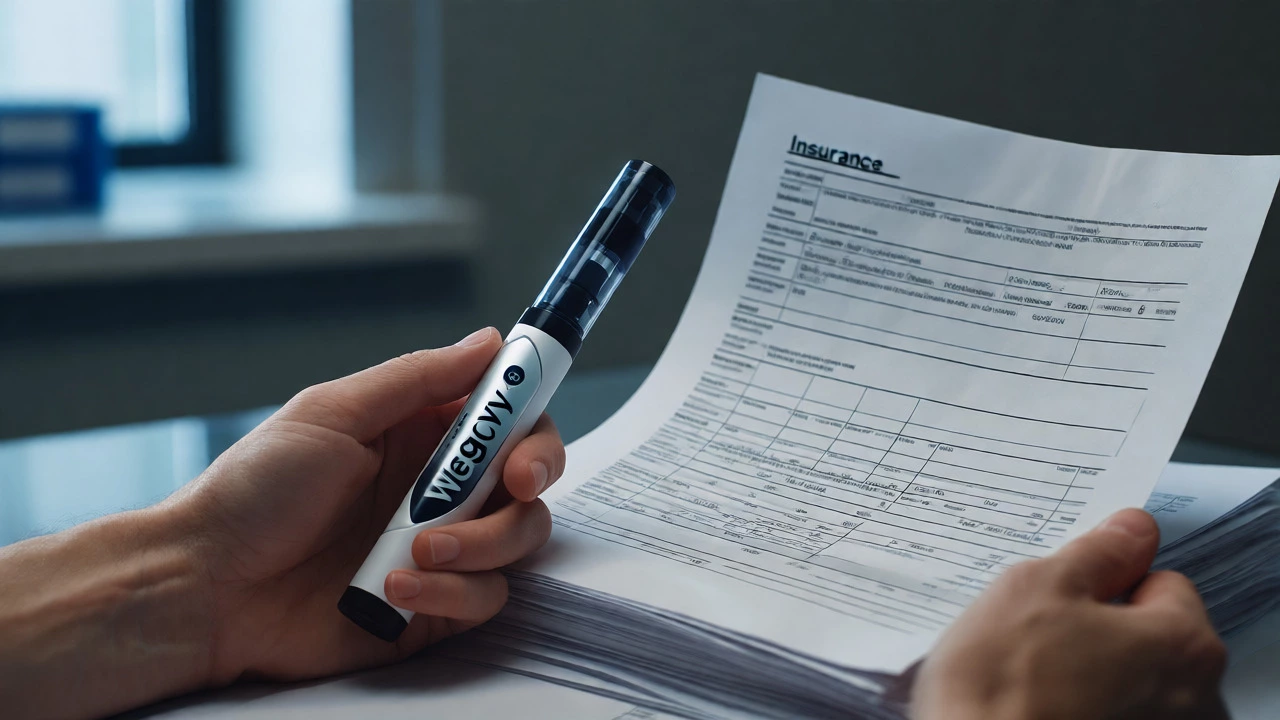
Wegovy Insurance Coverage & Cost Estimator
Navigate the complex world of weight-loss drug coverage. Enter your details below to estimate monthly costs and identify potential hurdles like Prior Authorization or Step Therapy.
You want to start Wegovy (semaglutide), but the price tag gives you pause. In 2026, a single month's supply of this popular GLP-1 agonist can still run between $1,000 and $1,350 without insurance. That's nearly $16,000 a year if you pay cash. So, does your health plan actually pay for it? The short answer is: sometimes, but rarely automatically. Most insurers treat obesity medications as "lifestyle" drugs rather than essential medical treatments, which creates a maze of exclusions, step therapies, and paperwork hurdles.
This isn't just about having a good plan; it's about understanding the specific rules your insurer uses to approve or deny claims. We'll break down exactly how coverage works today, what criteria you need to meet, and how to fight back if you get a denial. Whether you have employer-sponsored insurance, a marketplace plan, or Medicare, knowing these mechanics saves you thousands.
The Quick Summary: Key Takeaways
- Coverage varies wildly: There is no universal rule. Some plans cover Wegovy fully after meeting deductibles, while others exclude all anti-obesity medications (AOMs).
- Prior Authorization is almost always required: You cannot simply pick up the prescription. Your doctor must prove medical necessity first.
- Step Therapy is common: Insurers often require you to try cheaper alternatives like phentermine or lifestyle changes before approving Wegovy.
- Diabetes vs. Obesity: If you have Type 2 Diabetes, you might qualify for Ozempic (same drug, different label) under diabetes benefits, which are often more comprehensive.
- Manufacturer Savings Programs exist: Novo Nordisk offers copay cards that can reduce costs significantly for eligible commercially insured patients.
Understanding How Insurers Classify Weight Loss Drugs
To understand why your claim was denied, you need to know how your insurer thinks. They don't see Wegovy as a life-saving emergency drug. They classify it as an elective or maintenance treatment for chronic disease management. This classification triggers two major barriers: formulary tiers and medical necessity definitions.
A formulary tier is essentially a ranking system. Tier 1 drugs are cheap generics. Tier 4 or 5 drugs are expensive brand-name medications like Wegovy. Higher tiers mean higher co-insurance (you pay a percentage of the cost, not a flat fee). For example, if your plan has 20% co-insurance on Tier 4 drugs, you could owe $200-$270 per month even with "coverage." Without coverage, you owe the full retail price.
Furthermore, many employers explicitly exclude Anti-Obesity Medications (AOMs) from their benefit packages to keep premiums low. According to recent industry data, roughly 30-40% of large employer plans in the US still do not cover any FDA-approved weight loss drugs. If your plan falls into this category, no amount of doctor advocacy will change the contract terms. You'd be paying cash or using a discount card.
Critical Criteria for Approval: What Doctors Must Prove
If your plan does cover AOMs, approval isn't automatic. It requires a Prior Authorization (PA). This is a pre-approval process where your healthcare provider submits clinical documentation to the insurer proving that Wegovy is medically necessary for you. If they skip this step, the pharmacy will reject the claim at the counter.
Here is what your doctor typically needs to document to satisfy most major insurers like UnitedHealthcare, Aetna, Cigna, or BCBS:
- BMI Thresholds: You generally need a Body Mass Index (BMI) of ≥30 kg/m², or ≥27 kg/m² with at least one weight-related comorbidity (like hypertension, high cholesterol, or sleep apnea).
- Lifestyle History: Proof that you have attempted diet and exercise for at least 3-6 months without significant success. Some plans ask for documented calorie intake logs or gym attendance records.
- Comorbidities: Specific conditions like prediabetes, fatty liver disease, or osteoarthritis strengthen the case. Just wanting to lose weight for aesthetic reasons usually fails.
- Contraindications Check: Confirmation that you don't have a history of medullary thyroid carcinoma or Multiple Endocrine Neoplasia syndrome type 2 (MEN 2), which are safety risks for GLP-1 drugs.
Pro Tip: Ask your doctor to submit the PA request using the specific ICD-10 codes for obesity (E66.9) and your specific comorbidities (e.g., E11.9 for Type 2 Diabetes). Vague notes like "patient wants to lose weight" lead to instant denials.

Medicare, Medicaid, and Employer Plans: Who Pays?
Not all insurance is created equal. Your source of coverage dictates your odds of getting Wegovy paid for.
| Insurance Type | Likelihood of Coverage | Key Restrictions | Typical Patient Cost |
|---|---|---|---|
| Employer-Sponsored Commercial | Moderate to Low | Plan-dependent; often excluded entirely. If covered, strict Step Therapy applies. | $0 - $100/month (with savings card) |
| ACA Marketplace Plans | Variable | State mandates vary. Essential Health Benefits do not strictly require AOM coverage. | Deductible + Co-insurance |
| Medicare Part D | Low | Federal law prohibits Medicare from covering drugs solely for weight loss. Must have T2D diagnosis for Ozempic/Wegovy off-label use. | $0 - $35/month (if capped via IRA provisions) |
| Medicaid | Very Low | Highly state-specific. Many states exclude AOMs completely. | Full Cash Price or Excluded |
Medicare Note: Historically, Medicare did not cover weight loss drugs. However, recent legislative changes (Inflation Reduction Act impacts) have introduced caps on insulin and some diabetes meds. While Wegovy is approved for cardiovascular risk reduction, Medicare Part D plans are still hesitant to cover it unless there is a clear Type 2 Diabetes indication. If you have Medicare, check if your plan covers Ozempic instead, as the distinction between "weight loss" and "diabetes management" is critical for payment.
Medicaid Note: If you are on Medicaid, check your state's preferred drug list. States like California and New York have broader coverage than rural states in the South or Midwest. Always call member services before filling the script.
How to Fight a Denial: Appeals and Exceptions
Getting a denial letter doesn't mean game over. It means round two starts now. Approximately 50% of initial Prior Authorizations for GLP-1s are denied due to technical errors or missing documentation, not lack of medical necessity.
When you receive a denial, look for the reason code. Common ones include:
- Non-Covered Benefit: Your plan simply doesn't cover AOMs. Appeal is difficult here unless you can prove a severe health impact (e.g., immobility due to joint pain).
- Insufficient Clinical Documentation: Your doctor didn't provide enough proof of lifestyle attempts. Fix this by submitting a detailed letter of medical necessity (LMN).
- Step Therapy Not Met: You haven't tried a cheaper alternative. You may need to try Phentermine or Orlistat for 4-8 weeks. If you fail those (lose <5% body weight), you can appeal for an exception based on "failure of lower-tier therapy."
File an internal appeal within 60 days of the denial. Have your doctor write a narrative explaining why other options failed or were contraindicated. Mention specific improvements in health markers (e.g., "blood pressure dropped from 150/95 to 130/85") if you had temporary access. External appeals (to a third-party reviewer) have a higher success rate if the internal one fails, but they take longer.

Alternatives When Insurance Says No
If your insurer won't budge, don't assume you have to pay full retail. There are three main workarounds:
1. Manufacturer Savings Programs
Novo Nordisk, the maker of Wegovy, offers a savings program for commercially insured patients. If you have commercial insurance (not Medicare/Medicaid) and your plan covers some portion of the drug, you might qualify for a copay card that reduces your out-of-pocket cost to as low as $25 per month. Check eligibility on their official website before starting treatment.
2. Compounded Semaglutide
In response to shortages and high costs, compounding pharmacies began selling semaglutide. As of late 2025/early 2026, the FDA declared the shortage resolved, meaning compounded versions are technically no longer legally permitted for general sale unless you have a specific exemption. However, many clinics still offer them at a fraction of the cost ($300-$500/month). Be cautious: ensure the pharmacy is accredited (USP 795/797 standards) because quality control varies.
3. Switching to Ozempic or Rybelsus
Ozempic (injectable) and Rybelsus (oral) contain the same active ingredient, semaglutide. If you have Type 2 Diabetes, your insurance likely covers these under diabetes benefits, which are often less restrictive than weight-loss-only benefits. Even if you don't have diabetes, some doctors prescribe Ozempic off-label for weight loss, hoping the diabetes coding gets approved. This is a gray area, so discuss it openly with your provider.
Practical Checklist Before Filling Your Prescription
Don't go to the pharmacy blind. Use this checklist to prepare:
- Call Member Services: Ask specifically: "Is Wegovy on your formulary? What tier is it? Does it require Prior Auth?"
- Check Deductible Status: Have you met your deductible? If not, you might pay the negotiated rate (often ~$1,000) until you hit the threshold.
- Ask About Quantity Limits: Some plans only allow 1 pen per month. Do not buy extra pens upfront.
- Verify Pharmacy Network: Some plans require you to use mail-order pharmacies for specialty drugs like Wegovy to get the best price.
- Register for Savings Card: Sign up for the manufacturer's patient assistance program immediately upon approval.
Navigating insurance for weight loss drugs is frustrating, but knowledge is leverage. By preparing your medical history, understanding your plan's specific exclusions, and leveraging savings programs, you can make Wegovy accessible without draining your bank account. If you're stuck, consider consulting a weight loss clinic that specializes in insurance navigation-they deal with these denials daily and know which arguments persuade reviewers.
Does Medicare cover Wegovy for weight loss?
Generally, no. Federal law prohibits Medicare Part D from covering drugs used solely for weight loss. However, if you have Type 2 Diabetes, you may qualify for coverage under diabetes benefits (often using the Ozempic brand name). Recent updates may allow coverage if prescribed for cardiovascular risk reduction, but this varies by individual plan.
Why did my insurance deny Wegovy?
Common reasons include: the drug is not on your plan's formulary (excluded benefit), you haven't completed required step therapy (trying cheaper drugs first), insufficient documentation of lifestyle changes, or failure to meet BMI/comorbidity criteria. Technical errors in the Prior Authorization submission are also frequent causes.
Can I use an HSA or FSA to pay for Wegovy?
Yes, if you have a Letter of Medical Necessity (LMN) from your doctor stating that the medication is prescribed to treat a specific medical condition (like obesity with comorbidities), you can typically use HSA/FSA funds. Without the LMN, the IRS may consider it a cosmetic expense, which is not eligible.
What is the difference between Wegovy and Ozempic coverage?
They contain the same active ingredient (semaglutide). Wegovy is FDA-approved for chronic weight management, while Ozempic is approved for Type 2 Diabetes. Insurers often cover Ozempic more easily because diabetes care is a mandatory essential health benefit, whereas weight loss drugs are often optional/excluded. Off-label prescribing of Ozempic for weight loss is common but depends on insurer policy.
How much does Wegovy cost without insurance?
The list price is approximately $1,349 per month. With manufacturer savings cards for eligible commercially insured patients, this can drop to as low as $25-$50 per month. Cash-pay prices without insurance typically range from $1,000 to $1,350 depending on the pharmacy and discounts applied.