Metformin Cessation Weight & Risk Estimator
Your Profile
Estimated Outcome
Risk Category: --
--
Est. Weight Gain (kg)
--
Blood Sugar Impact
--
Enter your details to see your estimated risk profile.
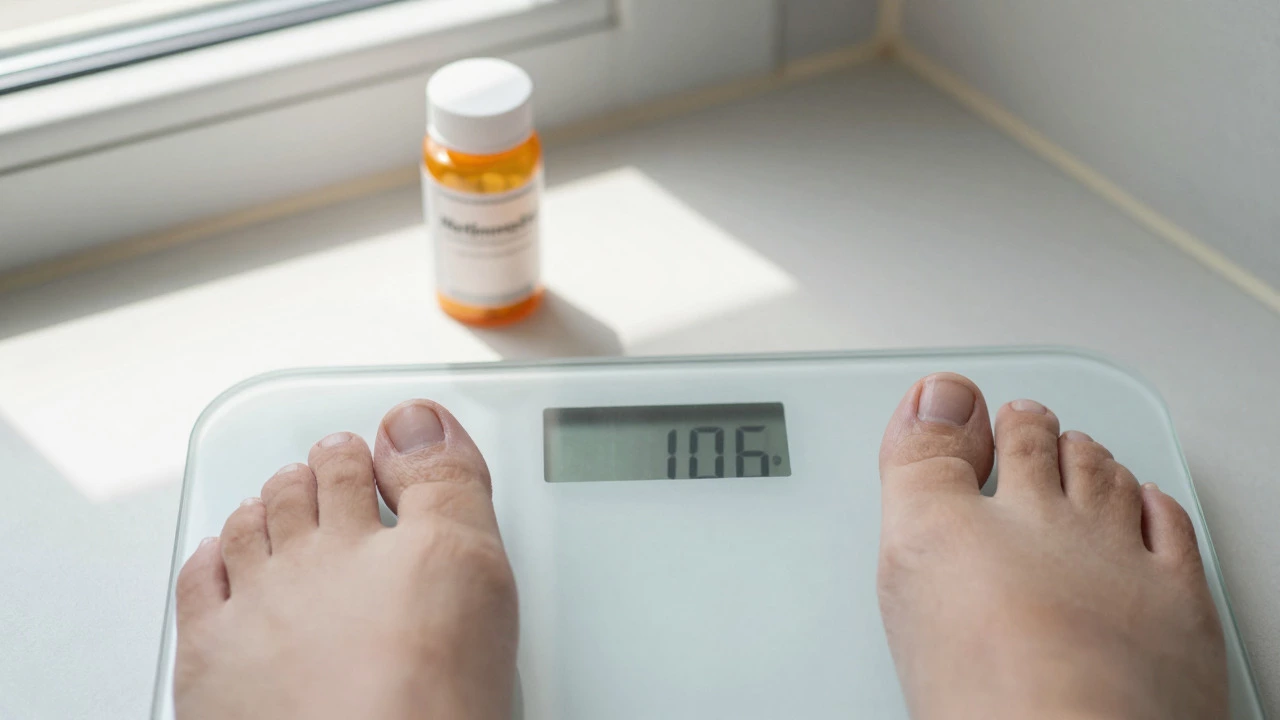
You’ve been taking Metformin, a first-line medication for type 2 diabetes that helps control blood sugar levels by reducing glucose production in the liver and improving insulin sensitivity. It’s widely prescribed because it works well and rarely causes weight gain-in fact, many people lose a few pounds while on it. But what happens when you stop? Will the scale creep up again?
The short answer is: yes, you might gain some weight after stopping metformin, but it’s not guaranteed. Your body doesn’t suddenly start storing fat just because you quit the drug. Instead, your metabolism shifts back toward how it functioned before treatment. If your diet and activity levels stay the same, you may see gradual changes over weeks or months.
Why Does Metformin Help Control Weight?
To understand why weight can return after stopping, we need to look at how metformin actually works. Unlike many other diabetes medications-like insulin or sulfonylureas, which often lead to weight gain-metformin takes a different path. It lowers the amount of sugar your liver makes and improves how your muscles respond to insulin. This means less excess sugar floating around in your bloodstream, which reduces the chance of that sugar turning into stored fat.
Additionally, metformin slightly suppresses appetite in some people. You might find yourself eating less without even trying. When you combine better insulin action with reduced hunger, the result is often modest weight loss-or at least no weight gain despite having diabetes, which tends to promote fat storage due to high insulin levels.
So when you stop taking metformin, those benefits fade. Your liver starts producing more glucose again. Insulin resistance may increase. And if your appetite returns to its previous level, you could eat more than your body needs, leading to weight gain.
What Happens to Your Blood Sugar When You Stop?
Weight isn’t the only thing affected. The most immediate change after stopping metformin is usually a rise in blood sugar levels. Studies show that fasting glucose and HbA1c (a measure of average blood sugar over three months) typically go up within weeks of discontinuation. For example, one clinical trial found that patients who stopped metformin saw their HbA1c increase by an average of 1.5% over six months compared to those who continued.
This spike in blood sugar can trigger cravings for quick energy sources-like sweets or refined carbs-which further contribute to weight gain. High blood sugar also signals your pancreas to release more insulin, and chronically elevated insulin promotes fat storage, especially around the abdomen.
If you’re managing type 2 diabetes, this creates a cycle: higher blood sugar leads to more insulin, which encourages weight gain, which worsens insulin resistance, which raises blood sugar even more. Breaking that cycle requires attention beyond just replacing the pill-it involves lifestyle adjustments.
Who Is Most Likely to Gain Weight After Stopping?
Not everyone gains weight after stopping metformin. Some people maintain their weight thanks to consistent exercise, portion control, and healthy eating habits developed during their time on the medication. Others may have already achieved significant metabolic improvements through lifestyle changes alone.
However, certain groups are at higher risk:
- People who relied solely on medication: If you didn’t make lasting changes to your diet or physical activity, stopping metformin removes the main tool keeping your blood sugar stable.
- Those with severe insulin resistance: Individuals whose bodies struggle significantly with processing glucose will likely experience sharper rebounds in both blood sugar and weight.
- Patients with polycystic ovary syndrome (PCOS): Many women with PCOS take metformin to regulate hormones and manage weight. Discontinuing it often leads to renewed hormonal imbalances and increased abdominal fat.
- Individuals under chronic stress or poor sleep: Stress hormones like cortisol raise blood sugar independently, making it harder to control weight once metformin is gone.
Your personal history matters too. Did you lose weight naturally before starting metformin? Or did the drug do all the work? That distinction shapes what happens next.

How Much Weight Can You Expect to Gain?
There’s no fixed number. Research suggests that former metformin users may regain between 3 to 7 kilograms (6-15 pounds) within the first year after stopping, depending on individual factors. A 2023 study published in Diabetes Care followed 412 adults who discontinued metformin and found that 68% experienced measurable weight gain, averaging 4.2 kg. Only 12% remained weight-stable, mostly those who maintained rigorous dietary discipline and regular aerobic exercise.
But remember: correlation isn’t causation. Just because you gained weight after stopping doesn’t mean the absence of metformin directly caused it. Often, it reflects underlying patterns-eating more, moving less, sleeping poorly-that were masked while on the drug.
Can You Prevent Weight Gain After Stopping Metformin?
Absolutely. While you can’t replicate metformin’s exact biochemical effects without the medication, you can mimic many of its benefits through targeted lifestyle strategies. Here’s how:
- Prioritize protein and fiber: These nutrients keep you full longer and stabilize blood sugar. Aim for 25-30 grams of protein per meal and include non-starchy vegetables, legumes, and whole grains.
- Move daily: Even 30 minutes of brisk walking improves insulin sensitivity almost immediately. Resistance training twice a week builds muscle, which burns glucose efficiently.
- Monitor your blood sugar regularly: Use a home glucometer or continuous glucose monitor (CGM) to catch spikes early. Seeing real-time data helps you adjust food choices before they lead to long-term issues.
- Sleep seven to eight hours nightly: Poor sleep disrupts leptin and ghrelin-the hormones that regulate hunger-and increases cravings for sugary foods.
- Manage stress consciously: Try mindfulness, deep breathing, or yoga. Chronic stress elevates cortisol, which drives belly fat accumulation.
These steps aren’t magic bullets, but together they create a buffer against the metabolic rebound that follows stopping metformin.
When Should You Consider Restarting Metformin?
If you notice persistent weight gain alongside rising blood sugar readings, it may be time to talk to your doctor about restarting metformin. There’s no shame in needing medication-it’s a powerful ally in managing diabetes, not a failure of willpower.
Signs that suggest reconsidering metformin include:
- HbA1c consistently above 7% despite lifestyle efforts
- Fasting blood glucose frequently exceeding 130 mg/dL
- Rapid weight gain (more than 2 kg in a month) without obvious cause
- Increased thirst, frequent urination, or fatigue-classic signs of uncontrolled diabetes
Don’t wait until complications arise. Early intervention prevents damage to nerves, kidneys, eyes, and blood vessels.

Alternatives to Metformin for Weight and Blood Sugar Control
If you want to avoid metformin but still manage weight and blood sugar effectively, several newer options exist. Each has trade-offs:
| Medication | Effect on Weight | Blood Sugar Impact | Common Side Effects |
|---|---|---|---|
| GLP-1 agonists (e.g., semaglutide) | Significant weight loss (5-15%) | Strong reduction in HbA1c | Nausea, vomiting, diarrhea |
| SGLT2 inhibitors (e.g., empagliflozin) | Moderate weight loss (2-5%) | Moderate to strong HbA1c reduction | Genital yeast infections, urinary tract infections |
| DPP-4 inhibitors (e.g., sitagliptin) | Neutral effect | Mild HbA1c reduction | Headache, joint pain |
| Insulin therapy | Weight gain common | Very strong HbA1c reduction | Hypoglycemia, injection site reactions |
GLP-1 agonists like semaglutide (Ozempic, Wegovy) have become popular for their dual benefit: lowering blood sugar dramatically while promoting substantial weight loss. SGLT2 inhibitors help shed water weight and reduce heart strain. Neither replaces metformin entirely, but they offer alternatives worth discussing with your healthcare provider.
Real-Life Scenarios: What People Experience
Let’s ground this in reality. Meet Priya, a 52-year-old teacher from Mumbai who took metformin for five years. She lost 6 kg initially, then stabilized. After her doctor suggested tapering off due to improved lab results, she kept her routine intact-walked 45 minutes daily, ate balanced meals, slept well. Six months later, she’d regained only 1.5 kg and her HbA1c stayed at 6.4%. Her success came from treating lifestyle as medicine, not optional extras.
Now consider Raj, a 48-year-old software engineer in Bangalore. He started metformin after being diagnosed with prediabetes. Over two years, he made minor tweaks-cut soda, walked occasionally-but never changed his core habits. When he stopped the drug, his blood sugar climbed quickly. Within four months, he gained 8 kg and felt constantly tired. His story shows how fragile progress can be without foundational behavior change.
Both cases highlight the same truth: metformin supports health, but it doesn’t replace responsibility. The difference lies in preparation.
Questions to Ask Before Stopping Metformin
Before deciding to stop, ask yourself these questions:
- Have I established sustainable eating and movement habits?
- Am I monitoring my blood sugar regularly?
- Do I have a plan to handle cravings or emotional eating?
- Is my doctor aware of my decision and supportive?
- What backup strategies do I have if my numbers start rising?
If you answered “no” to any of these, pause. Work on building those foundations first. Then revisit the conversation with your physician.
How long does it take to gain weight after stopping metformin?
Most people begin noticing weight changes within 4 to 12 weeks after stopping metformin. However, the timeline varies based on diet, activity level, genetics, and baseline insulin resistance. Some gain steadily over months; others remain stable if they maintain strict lifestyle controls.
Does stopping metformin always cause weight gain?
No. About 30% of individuals who stop metformin maintain their weight, especially if they continue practicing healthy behaviors such as regular exercise, mindful eating, and adequate sleep. Weight gain depends more on post-medication habits than the act of stopping itself.
Can I lose weight again after regaining it from stopping metformin?
Yes. Losing weight after regaining it is absolutely possible. Focus on calorie deficit through nutrition and increased physical activity. Consider working with a registered dietitian or certified diabetes educator to rebuild effective routines tailored to your current metabolic state.
Should I restart metformin if I gain weight after stopping?
Restarting metformin is a reasonable option if weight gain coincides with worsening blood sugar control. Consult your doctor to evaluate whether returning to metformin-or switching to another agent-is appropriate based on your latest labs and overall health profile.
Are there natural ways to improve insulin sensitivity without medication?
Yes. Regular aerobic exercise, strength training, consuming low-glycemic-index foods, getting sufficient sleep, and managing stress all enhance insulin sensitivity naturally. Berberine, a plant compound, also shows promise in studies for mimicking some of metformin’s effects, though evidence remains limited compared to pharmaceutical options.
Will stopping metformin affect my cholesterol levels?
Indirectly, yes. Since metformin positively influences lipid profiles in many users, discontinuing it may lead to slight increases in LDL (“bad”) cholesterol and triglycerides, particularly if weight gain occurs. Monitoring lipid panels every 6-12 months after stopping is advisable.
Is it safe to stop metformin abruptly?
For most people with type 2 diabetes, stopping metformin suddenly isn’t dangerous in the short term, but it can lead to rapid deterioration in blood sugar control. Tapering under medical supervision allows for closer monitoring and smoother transitions to alternative management strategies.
How does age influence weight gain after stopping metformin?
Older adults tend to lose muscle mass and slow down metabolically, making them more prone to weight regain after stopping metformin. Combining resistance training with protein-rich diets becomes increasingly important for preserving lean tissue and maintaining metabolic rate.
Can intermittent fasting help prevent weight gain after stopping metformin?
Intermittent fasting can support weight management by limiting eating windows and encouraging lower caloric intake. It may also improve insulin sensitivity. However, it should be approached cautiously, especially if you’re prone to hypoglycemia or have a history of disordered eating. Always consult your doctor before starting.
What role does gut microbiome play in weight changes after stopping metformin?
Emerging research suggests metformin alters gut bacteria composition in ways that favor leanness. Stopping the drug may allow less beneficial microbes to flourish, potentially influencing weight regulation. Eating diverse fibers and fermented foods can help restore a healthier microbial balance.