IVF Symptom Checker & Safety Guide
How it works: Select the symptoms you are currently experiencing below. The tool will analyze your selection based on standard medical guidelines to tell you if your symptoms are typical or if you need to contact your doctor.
Select at least one symptom to see analysis.
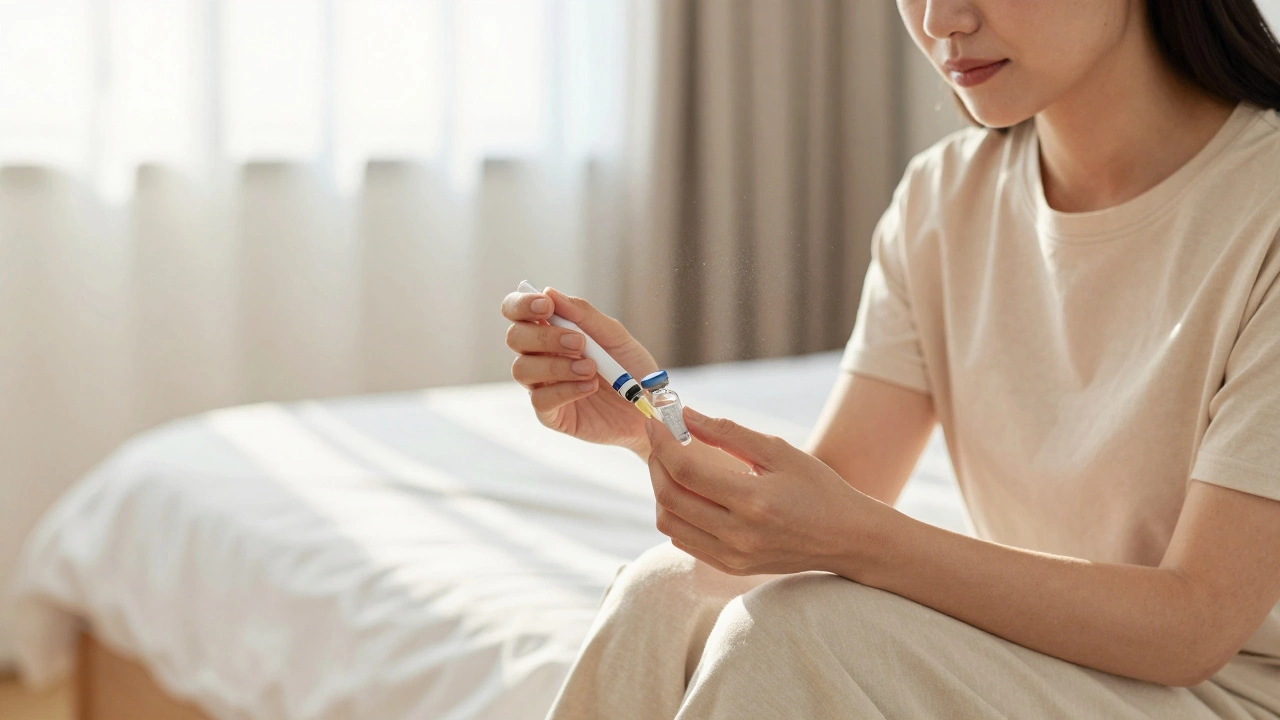
IDs required for validation.You’ve probably seen the images online or heard the stories from friends. The small glass vials, the syringes with the fine needles, and the daily routine that becomes your life for two weeks. If you are starting In Vitro Fertilization (IVF) is a reproductive technology where eggs are retrieved from the ovaries and fertilized by sperm in a lab before being transferred to the uterus., the injections are often the most intimidating part. But what exactly happens inside your body when you administer those hormones? It’s not just about getting pregnant; it’s a significant physiological shift that affects your hormones, your digestion, your emotions, and even your sleep.
Understanding these changes isn’t just about preparing for discomfort-it’s about knowing what is normal and what might signal a problem like Ovarian Hyperstimulation Syndrome (OHSS). This guide breaks down the physical and emotional journey of IVF injections, helping you navigate this intense phase with confidence and clarity.
The Biological Mechanism: Why You Need These Shots
To understand the side effects, you first need to understand the goal. In a natural cycle, your brain sends a signal (Luteinizing Hormone) to release one egg. In IVF, we bypass that single-egg limit. We want multiple mature eggs to increase the chances of successful fertilization and embryo development.
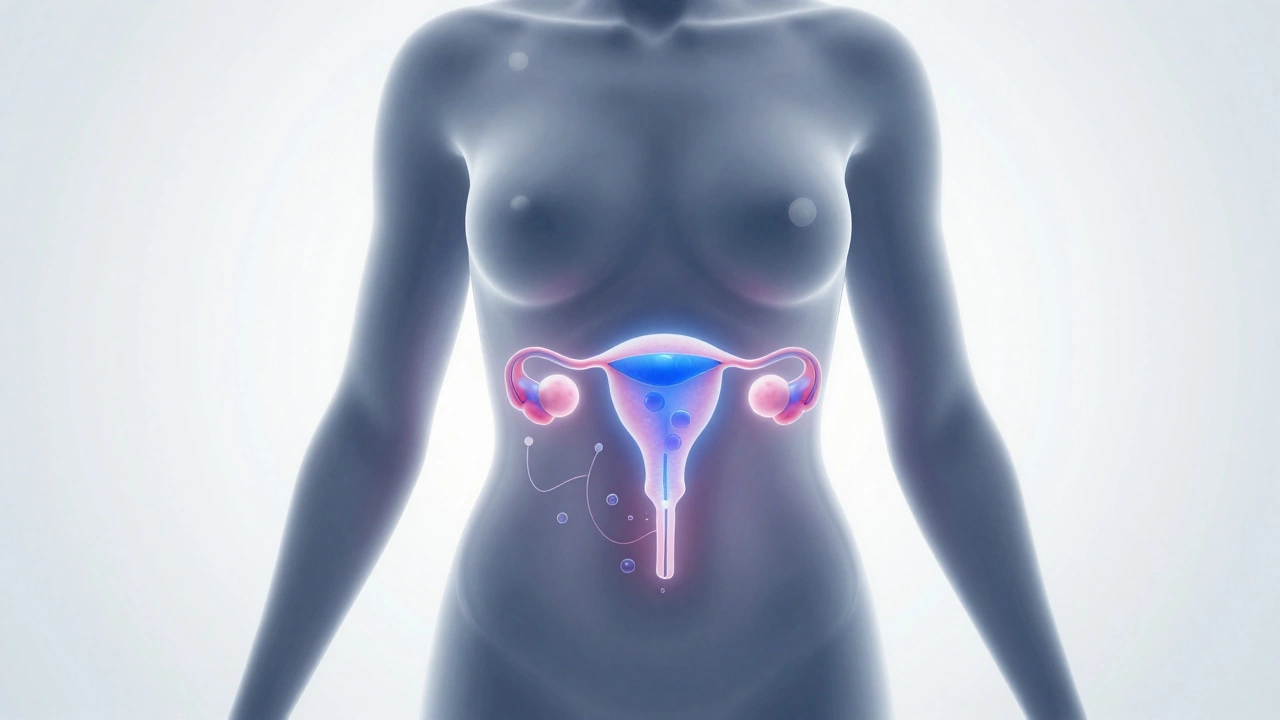
The injections typically contain Follicle-Stimulating Hormone (FSH) and sometimes Luteinizing Hormone (LH). Think of these as megaphones shouting instructions to your ovaries. Instead of whispering to one follicle, the medication tells all available follicles to grow simultaneously. This process is called Ovarian Stimulation is the medical process using hormonal medications to encourage the ovaries to produce multiple mature eggs for retrieval..
Your ovaries respond by swelling as these follicles fill with fluid and eggs. This growth is necessary but physically demanding. It explains why you might feel heavy, tender, or bloated. The body is working overtime to produce cells it usually reserves for once a month. Recognizing this mechanism helps you appreciate that the physical sensations you feel are signs the medication is working, not necessarily signs of failure.
Physical Changes: From Bloating to Pain
The most common complaint during stimulation is abdominal bloating. As your ovaries enlarge-sometimes doubling or tripling in size-they take up more space in your pelvis. This pressure pushes against your stomach and intestines, leading to:
- Abdominal Distension: Your belly may look visibly larger, similar to early pregnancy.
- Constipation or Diarrhea: The hormonal surge slows down gut motility, causing constipation, while some women experience loose stools due to dietary changes or stress.
- Breast Tenderness: High levels of estrogen make breast tissue sensitive and swollen.
- Headaches: Rapid hormonal fluctuations can trigger migraines or tension headaches.
Pain is another factor. While the needle prick itself is minor (most modern pens use ultra-fine needles), the injection site can become sore if you don’t rotate areas properly. More significantly, pelvic pain can occur as the ovaries stretch. A dull ache is normal; sharp, severe pain is not. If you experience sudden weight gain (more than 2 pounds in a day) or shortness of breath, contact your clinic immediately, as these are red flags for OHSS.
| Symptom | Cause | Severity Level | Management Tip |
|---|---|---|---|
| Bloating | Ovarian enlargement | Mild to Moderate | Wear loose clothing; avoid salty foods |
| Injection Site Bruising | Capillary damage | Mild | Rotate injection sites (abdomen quadrants) |
| Headaches | Estrogen spikes | Mild to Severe | Hydrate well; ask doctor for safe pain relief |
| Nausea | Hormonal sensitivity | Mild | Eat small, frequent meals |
Emotional Rollercoaster: The Mental Toll
We often focus on the physical symptoms, but the emotional impact of IVF injections is profound. You are injecting yourself with hormones that directly influence mood regulation. Estrogen and progesterone interact with neurotransmitters like serotonin and dopamine. This chemical cocktail can lead to:
- Mood Swings: You might cry over a spilled coffee one minute and feel euphoric the next.
- Anxiety: The fear of “will it work?” combined with the daily reminder of the syringe can heighten stress levels.
- Irritability: Partners and family members might notice you’re on edge. This isn’t personal; it’s biological.
In Bangalore, where the pace of life is fast and competitive, adding the mental load of fertility treatment can be overwhelming. Many patients report feeling isolated because their friends are busy with careers or kids, while they are counting days and monitoring follicles. Acknowledging this emotional burden is crucial. It’s okay to feel fragile. It’s okay to take a mental health day. Support groups, whether online or local, can provide a safe space to vent without judgment.
Managing the Daily Routine: Practical Tips
Injecting yourself twice a day for 10-14 days requires discipline and comfort strategies. Here’s how to make it easier:
- Preparation is Key: Take the medication out of the fridge 30 minutes before injection. Cold medication stings more. Let it reach room temperature.
- Pinch and Flick: Pinch the skin at the injection site to lift fat away from muscle. Inject slowly, then flick the skin after removing the needle to reduce bleeding.
- Stay Hydrated: Drink at least 2-3 liters of water daily. This helps flush excess hormones and reduces bloating and headaches.
- Dietary Adjustments: Focus on high-protein, low-carb meals. Protein helps stabilize blood sugar and reduces nausea. Avoid processed sugars which can spike inflammation.
- Gentle Movement: Light walking improves circulation and aids digestion. Avoid high-impact exercises that could twist enlarged ovaries.
Don’t hesitate to ask your nurse for a demo. Watching someone else do it first demystifies the process. Most women find that after the second or third injection, it becomes a mundane task rather than a traumatic event.

When to Call the Doctor: Red Flags
While most side effects are manageable, certain symptoms require immediate medical attention. Be vigilant about:
- Rapid Weight Gain: Gaining more than 2 lbs (1 kg) in 24 hours suggests fluid retention associated with OHSS.
- Severe Abdominal Pain: Pain that doesn’t go away with rest or mild painkillers.
- Decreased Urination: Dark urine or going very long periods without peeing indicates dehydration or kidney stress.
This can indicate fluid in the lungs, a rare but serious complication of OHSS.
In India, access to emergency care is generally good, but delays can happen. Keep your clinic’s emergency number saved in your phone. Better safe than sorry. Your medical team expects these calls; they would rather reassure you than deal with a crisis later.
Post-Injection Phase: What Happens Next?
Once you finish the injections, you’ll have a trigger shot (hCG) to finalize egg maturation. Thirty-six hours later, egg retrieval occurs. After retrieval, the hormone levels drop sharply. This “crash” can cause temporary depression or fatigue. It’s important to rest during this window. Your body has been through a marathon, not a sprint. Give it time to recover before focusing on embryo transfer or freezing.
Do IVF injections cause permanent weight gain?
No, IVF injections do not cause permanent weight gain. The bloating and water retention experienced during stimulation are temporary. Once the hormone levels normalize after egg retrieval, your weight will return to baseline. However, lifestyle changes during treatment (like reduced activity) might lead to slight fat gain if diet isn’t managed, but this is reversible.
Can I continue working during IVF injections?
Yes, most women continue working normally during the stimulation phase. However, you may need to schedule breaks for injections and monitor energy levels. If you experience severe fatigue or bloating, consider flexible hours or remote work options. Listen to your body and prioritize rest when needed.
Are there alternatives to injectable IVF medications?
Currently, injectable gonadotropins are the gold standard for effective ovarian stimulation. Oral medications like Clomid or Letrozole are used for less intensive treatments (IUI) but are rarely sufficient for full IVF cycles due to lower efficacy in producing multiple eggs. Research into non-injectable options is ongoing, but injections remain the most reliable method.
How long does it take for side effects to subside after stopping injections?
Most physical side effects like bloating and tenderness improve within 2-5 days after egg retrieval. Emotional symptoms may linger longer due to the hormonal crash. Full recovery of ovarian size and function typically takes one menstrual cycle. If symptoms persist beyond two weeks, consult your doctor.
Does IVF affect menopause age?
No, IVF does not cause early menopause. The eggs retrieved during IVF are from the cohort that would have naturally degenerated that month anyway. The stimulation recruits dormant follicles that were already destined to activate, so it does not deplete your total egg reserve prematurely.