
Ozempic Side Effect & Risk Calculator
Risk Profile Analysis
Recommendation:
Select factors above to generate a personalized risk assessment.
You’ve likely seen the headlines. Celebrities are dropping pounds, social media feeds are flooded with before-and-after photos, and pharmacies are struggling to keep up with demand. Ozempic is a prescription medication originally designed for type 2 diabetes that has become a global phenomenon for weight loss. It works by mimicking a hormone called glucagon-like peptide-1 (GLP-1), which helps regulate blood sugar and appetite. But here’s the question nobody asks at the cocktail party: what happens when you stop taking it? And more importantly, what does your body go through while you’re on it?
The short answer is that Ozempic isn’t just a magic pill. It’s a powerful drug with real, sometimes severe, consequences. While it can be life-changing for some, it comes with a list of downsides that range from uncomfortable daily symptoms to serious long-term health risks. If you’re considering this path, you need the full picture-not just the marketing.
The Gastrointestinal Gauntlet: Nausea, Vomiting, and More
If there is one universal complaint among Ozempic users, it’s stomach trouble. The drug slows down gastric emptying-meaning food sits in your stomach longer than usual. For many, this leads to a cascade of digestive issues that can significantly impact quality of life.
- Nausea: This is the most common side effect, affecting nearly two-thirds of patients during the initial titration phase. It often peaks when the dosage is increased.
- Vomiting and Diarrhea: Many users report frequent episodes of vomiting, especially if they eat too much or consume fatty foods. Diarrhea is also prevalent, leading to dehydration and electrolyte imbalances.
- Constipation: Conversely, because digestion slows down, constipation becomes a major issue for others. Some patients require laxatives or enemas to maintain regularity.
- Bloating and Gas: The slowed digestion causes food to ferment longer, resulting in significant bloating and flatulence.
These aren’t minor inconveniences. They can prevent people from eating enough to sustain muscle mass or even perform their daily jobs. In extreme cases, severe nausea leads to hospitalization for dehydration. Doctors often advise starting with a very low dose (0.25 mg) and slowly increasing it over several months to mitigate these effects, but tolerance varies wildly between individuals.
Gastroparesis: When the Stomach Stops Moving
While general nausea is unpleasant, gastroparesis is a medical emergency. Gastroparesis, or delayed gastric emptying, occurs when the stomach muscles fail to contract properly, leaving food stuck in the stomach for hours or even days. There have been numerous case reports linking semaglutide is the active ingredient in Ozempic, Wegovy, and Rybelsus to severe cases of gastroparesis requiring surgical intervention.
Symptoms include feeling full after only a few bites, abdominal pain, and projectile vomiting of undigested food eaten hours earlier. In Bangalore, where diet plays a huge role in cultural identity, being unable to digest solid foods can be socially isolating. If you experience persistent vomiting or severe abdominal pain, you must seek immediate medical attention. This condition can lead to malnutrition and requires stopping the medication immediately.
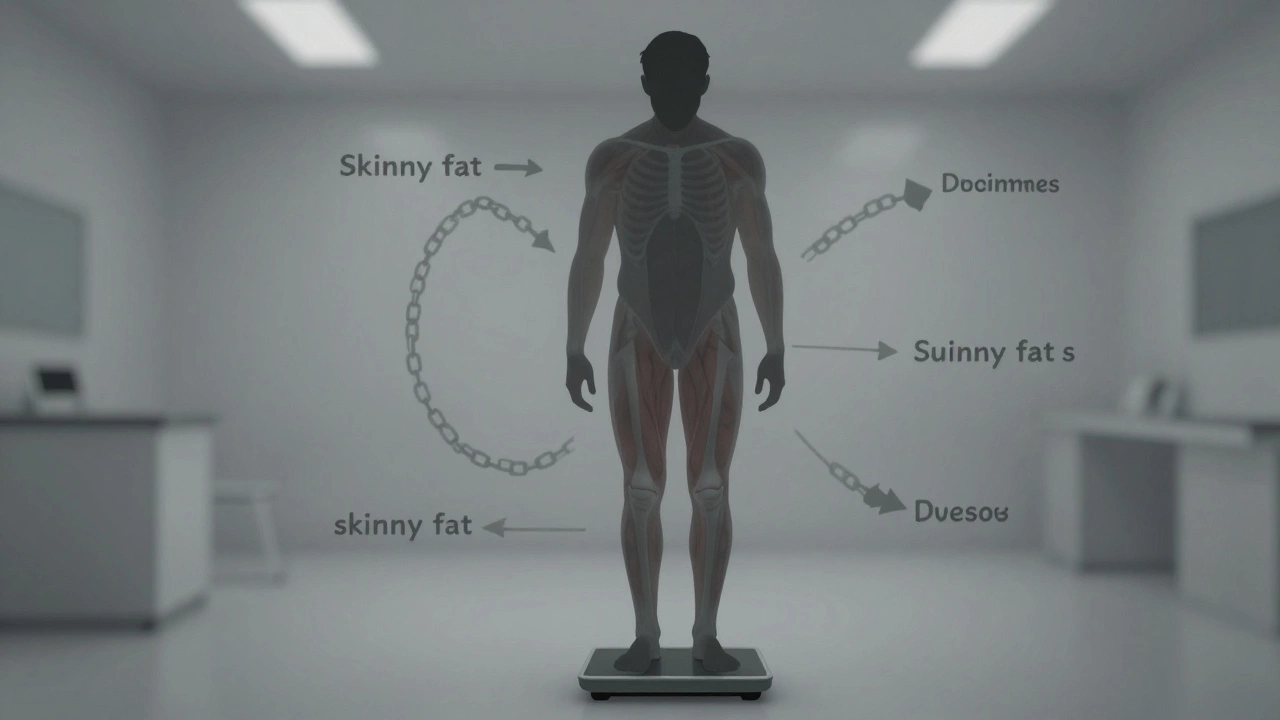
Muscle Loss and the "Skinny Fat" Phenomenon
Here’s a hard truth about rapid weight loss: you don’t just lose fat. You lose water, glycogen, fat, and muscle. Studies show that without intentional resistance training and high protein intake, up to 25% of the weight lost on GLP-1 agonists like Ozempic can come from lean muscle mass.
Why does this matter? Muscle is metabolically active tissue. It burns calories even at rest. When you lose muscle, your basal metabolic rate (BMR) drops. This makes it harder to maintain weight loss once you stop the drug. Furthermore, losing muscle mass affects strength, mobility, and bone density, particularly in older adults. This phenomenon is often referred to as becoming "skinny fat"-looking thinner in clothes but lacking underlying strength and having a higher percentage of body fat relative to muscle.
To combat this, users must prioritize protein consumption (aiming for 1.2 to 1.6 grams per kilogram of body weight) and engage in weight-bearing exercises. However, the nausea associated with the drug often suppresses appetite so severely that hitting these protein targets feels impossible.
The Rebound Effect: Weight Regain is Likely
This is perhaps the biggest downside that isn’t discussed enough. Ozempic is not a cure; it’s a management tool. A landmark study published in the New England Journal of Medicine showed that participants who stopped taking semaglutide regained approximately two-thirds of their lost weight within one year.
Why does this happen? The drug suppresses appetite and regulates blood sugar. When you stop, those mechanisms revert to their previous state. Your hunger signals return, often stronger than before due to hormonal adaptations. Without the drug, maintaining the lifestyle changes required to keep the weight off becomes exponentially harder. This creates a cycle of dependency where patients feel they must stay on the medication indefinitely to avoid regaining the weight-and potentially more.
Pancreatitis and Gallbladder Issues
There is a documented risk of acute pancreatitis (inflammation of the pancreas) associated with GLP-1 receptor agonists. Symptoms include severe, persistent abdominal pain that may radiate to the back, often accompanied by vomiting. If you have a history of pancreatitis, Ozempic is generally contraindicated.
Additionally, rapid weight loss increases the risk of gallstones. As fat stores shrink, the liver secretes extra cholesterol into bile, which can crystallize into stones. Gallstone attacks are painful and may require surgery. Patients on Ozempic should monitor for signs of jaundice (yellowing of skin/eyes), dark urine, or clay-colored stools, which indicate gallbladder obstruction.
Thyroid C-Cell Tumors: A Black Box Warning
Ozempic carries a FDA black box warning-the strongest safety alert-for thyroid C-cell tumors. In rodent studies, semaglutide caused these types of cancers. While it is unclear if this translates directly to humans, patients with a personal or family history of Medullary Thyroid Carcinoma (MTC) or Multiple Endocrine Neoplasia syndrome type 2 (MEN 2) should not use Ozempic.
Even if you don’t have this history, it’s crucial to understand that we are still learning about the long-term oncological effects of chronic GLP-1 exposure. The drug has only been widely used for weight loss for a few years, meaning data on decades-long usage is nonexistent.
| Side Effect | Frequency | Severity | Mitigation Strategy |
|---|---|---|---|
| Nausea | High (~40%) | Mild to Moderate | Slow titration, small meals, ginger tea |
| Gastroparesis | Low (<1%) | Severe | Immediate discontinuation, medical care |
| Muscle Loss | Common | Moderate | Resistance training, high protein diet |
| Weight Regain | Very High upon cessation | Long-term | Lifestyle maintenance, continued therapy |
| Pancreatitis | Rare | Severe/Life-threatening | Stop drug, seek emergency care |
Mental Health and Emotional Impact
Weight loss medications affect more than just your waistline. Some users report mood swings, anxiety, and even depression. The mechanism isn’t fully understood, but it may be related to changes in gut-brain axis signaling or the psychological stress of dealing with constant nausea and dietary restrictions.
Furthermore, there is a risk of developing an unhealthy relationship with food. When your appetite is chemically suppressed, you may disconnect from natural hunger cues. This can make it difficult to relearn how to eat intuitively when you eventually stop the medication. For individuals with a history of eating disorders, Ozempic can trigger relapse or exacerbate disordered eating patterns.
Cost and Accessibility Barriers
In India, while generic alternatives are emerging, branded semaglutide products remain expensive. Insurance coverage for weight loss indications is limited globally. This creates a financial burden where patients must pay out-of-pocket monthly. If side effects force you to miss work or require additional medical interventions (like IV fluids for dehydration), the indirect costs add up quickly.
Additionally, supply chain issues have led to shortages, causing frustration and inconsistent dosing schedules. Missing doses can lead to fluctuating blood sugar levels and renewed hunger pangs, making weight management even more chaotic.
Who Should Avoid Ozempic?
Ozempic is not for everyone. You should avoid it if you:
- Have a personal or family history of Medullary Thyroid Carcinoma or MEN 2.
- Have a history of pancreatitis.
- Are pregnant or planning to become pregnant (animal studies show fetal harm).
- Have severe kidney disease (acute kidney injury has been reported due to dehydration).
- Have severe gastrointestinal diseases like inflammatory bowel disease (IBD).
Alternatives to Consider
If the downsides of Ozempic seem too steep, consider discussing other options with your doctor:
- Liraglutide (Saxenda): A daily injection with similar mechanisms but different side effect profiles.
- Tirzepatide (Mounjaro/Zepbound): A dual GIP/GLP-1 agonist that may offer greater efficacy but potentially different GI issues.
- Non-pharmacological approaches: Intensive behavioral therapy, bariatric surgery (for eligible candidates), and structured nutritional counseling.
Is Ozempic safe for long-term use?
While many patients use Ozempic long-term, its safety profile beyond 10 years is unknown. Long-term use requires regular monitoring of kidney function, pancreatic health, and nutritional status. It is generally considered safe for continuous use under medical supervision, but the risk of muscle loss and metabolic slowdown remains a concern.
Will I regain all the weight if I stop Ozempic?
Most people regain a significant portion of the weight lost, often within 12 months of stopping. Clinical trials show an average regain of two-thirds of lost weight. Successful long-term maintenance usually requires continuing the medication or adopting extremely strict lifestyle changes.
Can Ozempic cause hair loss?
Yes, telogen effluvium (temporary hair shedding) is a common side effect of rapid weight loss, including that induced by Ozempic. It is usually temporary and resolves once weight stabilizes and nutrition improves, but it can be distressing for many users.
Does Ozempic affect fertility?
There is limited data on Ozempic’s direct effect on human fertility. However, it is recommended to stop using Ozempic at least two months before attempting to conceive due to potential risks to the fetus. Weight loss itself can improve fertility outcomes for those with obesity-related infertility.
What are the signs of serious side effects?
Seek immediate medical help if you experience severe abdominal pain (pancreatitis), vision changes (diabetic retinopathy progression), allergic reactions (swelling, difficulty breathing), or symptoms of thyroid tumors (lump in neck, hoarseness, trouble swallowing).