Mental Disorder Type Explorer
Select a category to learn about symptoms, common examples, and typical onset for the 7 main types of mental disorders.
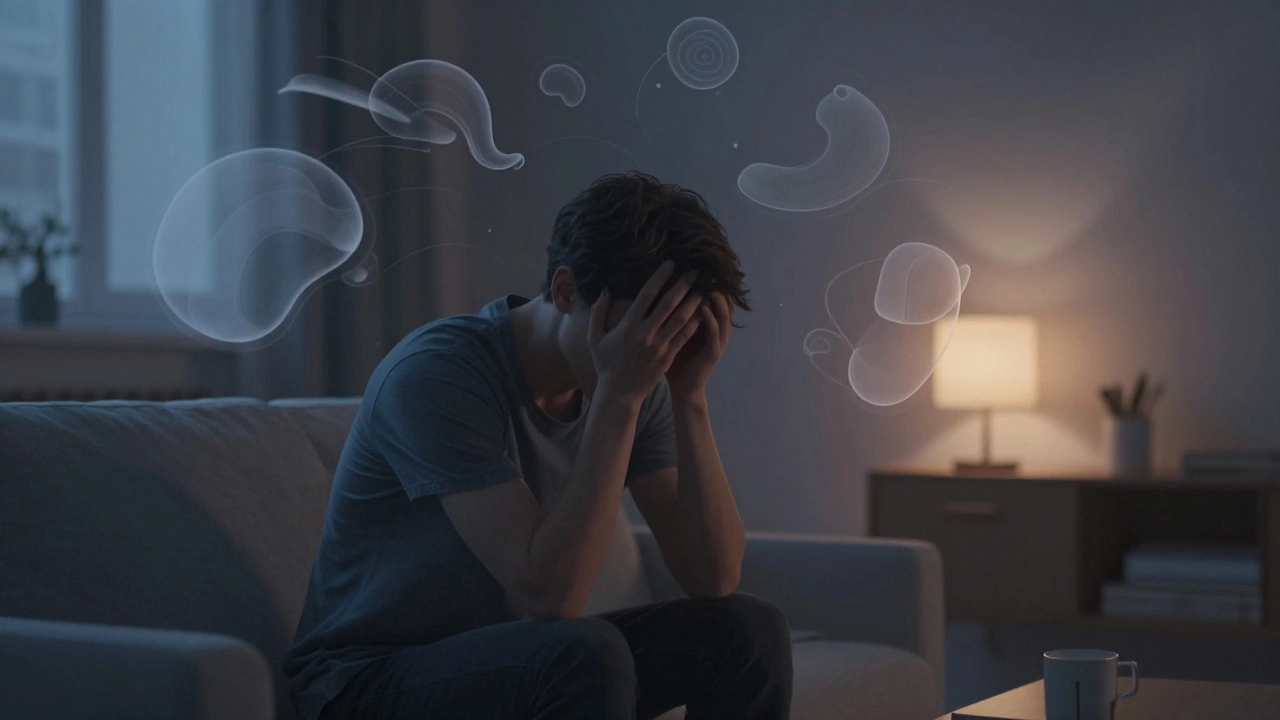
Imagine waking up one day and feeling like your brain is working against you. Maybe it’s a constant sense of dread that won’t go away, or perhaps you’re losing interest in things you used to love. You might think you’re just having a bad week, but what if it’s something more? Understanding mental health isn’t about labeling people; it’s about recognizing patterns so we can find help faster.
When people ask, "what are the 7 types of mental disorders?", they are usually looking for a way to make sense of a complex medical field. While doctors use detailed manuals like the DSM-5 (Diagnostic and Statistical Manual of Mental Disorders) to classify hundreds of conditions, these often fall into seven broad categories. Knowing these groups helps you talk to professionals with confidence and understand your own experiences better.
Anxiety Disorders: When Worry Takes Over
Anxiety Disorders are conditions characterized by excessive fear, worry, or apprehension that interferes with daily life. These are the most common mental health issues globally, affecting nearly one in three adults at some point. Unlike normal stress, which fades after a deadline passes, anxiety disorders stick around. They keep your body in a state of high alert, even when there is no immediate danger.
You don’t have to be panicking in public to have an anxiety disorder. It could be Generalized Anxiety Disorder (GAD), where you worry constantly about small things like bills or health. It could be Social Anxiety Disorder, making simple interactions feel terrifying. Or it might be Panic Disorder, involving sudden, intense episodes of heart-pounding fear. The key trait here is avoidance. People often stop doing things-going to work, leaving the house, calling friends-because the anxiety feels too heavy to carry.
- Generalized Anxiety Disorder: Chronic, uncontrollable worry about everyday events.
- Panic Disorder: Recurrent, unexpected panic attacks followed by fear of having another attack.
- Social Anxiety Disorder: Intense fear of social situations due to potential judgment.
- Phobias: Irrational fears of specific objects or situations, like heights or spiders.
Mood Disorders: The Emotional Rollercoaster
If anxiety is about fear, Mood Disorders are conditions primarily defined by disturbances in a person's emotional state. These disorders affect how you feel on a daily basis, swinging between extremes that feel impossible to control. The two biggest players here are depression and bipolar disorder.
Major Depressive Disorder isn’t just sadness. It’s a persistent emptiness, a loss of energy, and a lack of interest in almost everything. You might sleep all day or not enough, eat poorly, and feel guilty without reason. On the other end of the spectrum is Bipolar Disorder. This involves cycles of depression and mania. During a manic episode, you might feel invincible, need little sleep, talk rapidly, and make risky decisions. Then, the crash comes, leading to deep depression. Recognizing this pattern is crucial because treating bipolar disorder requires different medication than treating standard depression.
Trauma- and Stressor-Related Disorders
Some mental health struggles start with a specific event. Trauma-Related Disorders are mental health conditions triggered by exposure to a terrifying or life-threatening event. The most well-known is Post-Traumatic Stress Disorder (PTSD).
PTSD doesn’t always happen to soldiers returning from war. It can happen to survivors of car accidents, natural disasters, abuse, or violent crimes. The brain gets stuck in survival mode. You might experience flashbacks, where the past feels like the present. You might avoid places that remind you of the trauma. Sleep becomes difficult, and you might feel jumpy or irritable. There is also Acute Stress Disorder, which looks like PTSD but happens immediately after the trauma and lasts less than a month. If it persists longer, it may develop into PTSD.

Schizophrenia Spectrum and Other Psychotic Disorders
This category is often misunderstood due to media portrayals. Schizophrenia Spectrum Disorders are serious mental health conditions that affect how a person thinks, feels, and behaves, often involving a loss of contact with reality. The hallmark symptoms are hallucinations (seeing or hearing things that aren't there) and delusions (believing things that aren't true).
It’s important to note that people with schizophrenia are not inherently violent. Most are actually more likely to be victims of violence than perpetrators. The challenge lies in the cognitive decline-difficulty focusing, remembering, or organizing thoughts. Treatment usually involves antipsychotic medications and therapy to help manage symptoms and maintain independence. Early intervention is critical; the sooner treatment starts, the better the long-term outlook.
Eating Disorders: More Than Just Food
Eating Disorders are complex mental illnesses marked by severe disturbances in eating behaviors and related thoughts and emotions. They are not lifestyle choices or phases. They are serious medical conditions with high mortality rates if left untreated.
Anorexia Nervosa involves restricting food intake to an extreme degree, driven by an intense fear of gaining weight and a distorted body image. Bulimia Nervosa involves cycles of binge eating followed by purging, such as vomiting or excessive exercise. Binge-Eating Disorder involves consuming large amounts of food in a short time without purging, often leading to shame and distress. These disorders often co-occur with anxiety and depression, making them harder to treat. Recovery requires a team approach: therapists, dietitians, and doctors working together.

Personality Disorders: Deep-Seated Patterns
Personality Disorders are enduring patterns of inner experience and behavior that deviate markedly from cultural expectations. Unlike mood swings, these patterns are stable over time and appear across many situations. They often cause significant problems in relationships, work, and social functioning.
There are three clusters. Cluster A includes odd or eccentric behaviors, like Paranoid Personality Disorder. Cluster B includes dramatic, emotional, or erratic behaviors, such as Borderline Personality Disorder (BPD) or Narcissistic Personality Disorder. Cluster C includes anxious or fearful behaviors, like Avoidant Personality Disorder. Treating personality disorders is challenging because the patient may not see their behavior as problematic. Therapy, particularly Dialectical Behavior Therapy (DBT) for BPD, has shown great success in helping people regulate emotions and improve relationships.
Neurodevelopmental Disorders
Neurodevelopmental Disorders are conditions that typically emerge early in development, often before a child enters school. These involve impairments in personal, social, academic, or occupational functioning.
The most common examples are Autism Spectrum Disorder (ASD) and Attention-Deficit/Hyperactivity Disorder (ADHD). In the past, these were seen strictly as childhood issues. Now, we know many adults live with undiagnosed ADHD or autism. Symptoms might look different in adults-perhaps as difficulty maintaining focus at work, trouble with social cues, or sensory sensitivities. Early diagnosis helps children get support, but adult diagnosis can provide relief and understanding for years of confusion.
| Type | Primary Symptom | Common Example | Typical Onset |
|---|---|---|---|
| Anxiety Disorders | Excessive fear/worry | Generalized Anxiety Disorder | Childhood/Adolescence |
| Mood Disorders | Emotional instability | Major Depression | Adolescence/Early Adulthood |
| Trauma-Related | Flashbacks/Avoidance | PTSD | After Traumatic Event |
| Psychotic Disorders | Loss of reality contact | Schizophrenia | Late Teens/Early 20s |
| Eating Disorders | Disordered eating | Anorexia Nervosa | Adolescence |
| Personality Disorders | Rigid behavior patterns | Borderline Personality Disorder | Adolescence/Early Adulthood |
| Neurodevelopmental | Developmental delays | ADHD | Early Childhood |
How to Seek Help and Find the Right Support
Knowing the seven types is the first step. The next step is action. If you recognize these symptoms in yourself or a loved one, don’t wait. Mental health conditions are treatable. Start by talking to a primary care doctor who can rule out physical causes. From there, a referral to a psychiatrist or psychologist can lead to a proper diagnosis.
Therapy options vary. Cognitive Behavioral Therapy (CBT) works well for anxiety and depression. Medication can balance brain chemistry for bipolar disorder or schizophrenia. For eating disorders, nutritional counseling is essential. Remember, seeking help is a sign of strength, not weakness. Your brain is an organ, just like your heart or lungs. When it needs care, you deserve to get it.
Can you have more than one type of mental disorder?
Yes, this is called comorbidity. It is very common. For example, someone with Major Depressive Disorder might also have Generalized Anxiety Disorder. Or a person with PTSD might struggle with substance use. Doctors treat the whole picture, not just one label.
Are mental disorders genetic?
Genetics play a role, but they are not the only factor. Environmental factors, trauma, and brain chemistry also contribute. Having a family history increases risk, but it does not guarantee you will develop a disorder.
How long does treatment take?
It varies widely. Some anxiety symptoms improve in weeks with therapy. Personality disorders or schizophrenia may require long-term management. The goal is not just symptom relief but improving quality of life and functioning.
Is online therapy effective?
For many conditions, yes. Studies show online CBT can be as effective as in-person sessions for mild to moderate anxiety and depression. However, severe cases or crises may require face-to-face care.
What should I do if I suspect I have a psychotic disorder?
Seek professional help immediately. Early intervention in schizophrenia spectrum disorders leads to much better outcomes. Contact a psychiatrist or go to an emergency room if you feel unsafe or unable to distinguish reality.