
Supplement Category Identifier
Enter a supplement name (e.g., Vitamin D, Magnesium, Ashwagandha, BCAA, Fish Oil) to learn its category and key characteristics.
Walk into any pharmacy in Bangalore or scroll through an online store, and you’ll see shelves packed with colorful bottles. They promise energy, better sleep, stronger bones, and clearer skin. But if you look closer, most of these products fall into just five main categories. Knowing which type you are actually buying changes everything. It stops you from wasting money on pills that don’t work for your specific needs and helps you avoid dangerous interactions.
Many people use the word "supplement" as a catch-all term. In reality, a dietary supplement is a product intended to supplement the diet by increasing the intake of certain nutrients. The rules around them vary wildly depending on whether you are taking a synthetic vitamin C tablet or a complex extract from ashwagandha root. Understanding these differences is the first step toward using them safely and effectively.
1. Vitamins: The Organic Essentials
Vitamins are organic compounds, meaning they contain carbon and come from living sources, though many are now made synthetically in labs. Your body needs them in small amounts to perform critical functions like healing wounds, building immunity, and converting food into energy. There are 13 essential vitamins, divided into two groups based on how your body handles them.
Fat-soluble vitamins (A, D, E, and K) are stored in your body’s fatty tissue and liver. Because they build up over time, it is easier to reach toxic levels with these if you overdose. For example, too much Vitamin A can cause liver damage. On the other hand, water-soluble vitamins (B-complex and C) flow through your bloodstream and are excreted in urine if you take more than you need. This makes toxicity rare, but it also means you often need to replenish them daily.
In India, Vitamin D deficiency is incredibly common due to indoor lifestyles and pollution blocking sunlight. You might see doctors prescribing high-dose Vitamin D3 drops. This is a pure vitamin supplement. It is straightforward, well-regulated, and generally safe when taken at recommended doses. If you feel constantly tired despite sleeping enough, a lack of B-vitamins might be the culprit, not just stress.
2. Minerals: The Inorganic Building Blocks
Unlike vitamins, minerals are inorganic elements found in soil and water. Plants absorb them, and we eat the plants (or animals that ate the plants). Your body cannot make minerals, so you must get them from your diet or supplements. Common mineral supplements include calcium, iron, magnesium, zinc, and potassium.
Minerals play structural roles. Calcium builds bones; iron carries oxygen in your blood. When you buy a mineral supplement, the form matters immensely. Take magnesium, for instance. Magnesium oxide is cheap but poorly absorbed by the gut, often causing diarrhea. Magnesium glycinate, however, is bound to an amino acid, making it highly bioavailable and gentle on the stomach. This distinction between chemical forms is crucial for effectiveness.
If you are a vegetarian, you might need an iron supplement because plant-based iron (non-heme) is harder for the body to absorb than animal-based iron (heme). Similarly, older adults often take calcium and Vitamin D together to prevent osteoporosis. These are not "magic bullets," but they fill specific gaps in your nutritional foundation.
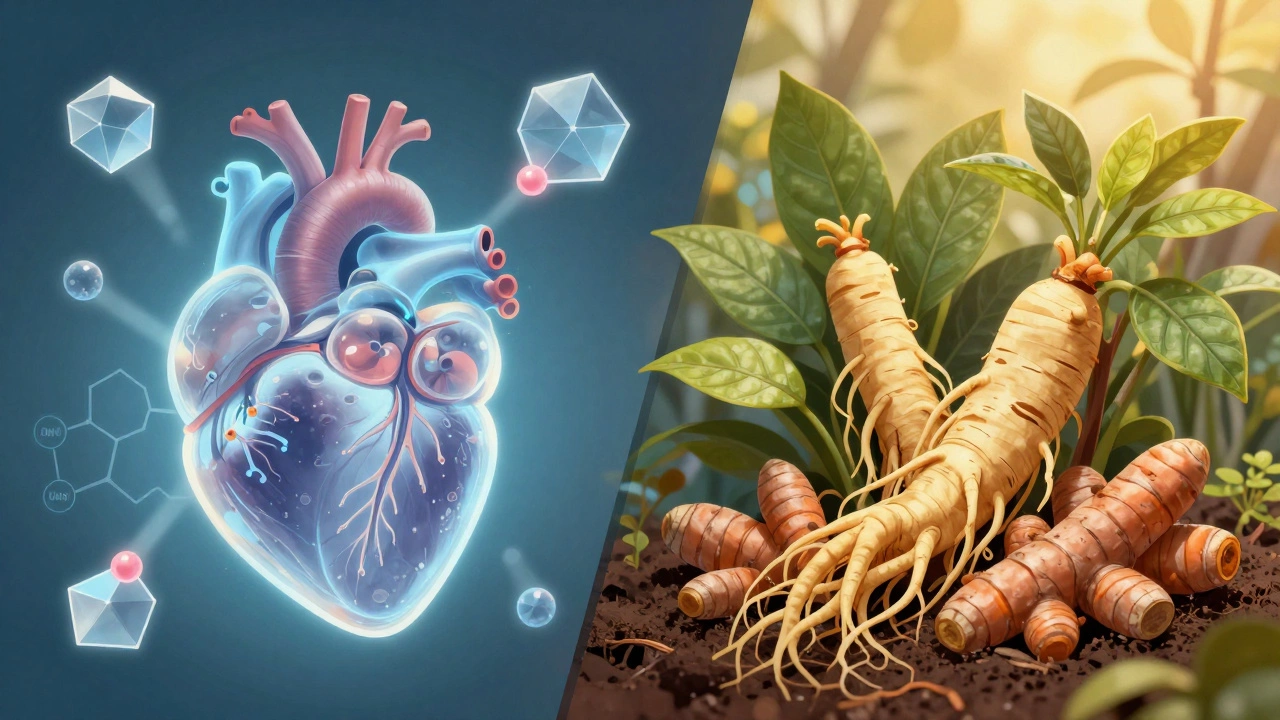
3. Herbal Supplements: The Plant Powerhouses
This category is where things get interesting and complicated. Herbal supplements are products made from parts of plants such as leaves, roots, bark, flowers, or fruits. Unlike single-ingredient vitamins, herbs contain hundreds of different chemical compounds working together. Think of turmeric, ashwagandha, garlic, or ginseng.
The biggest issue with herbal supplements is consistency. A pill of St. John’s Wort from one brand might have twice the active ingredient of another brand. Since these are often regulated as foods rather than drugs, manufacturers do not always prove efficacy before selling them. In Ayurveda and traditional Chinese medicine, herbs have been used for centuries, but modern extraction methods vary widely.
For example, curcumin in turmeric is poorly absorbed on its own. Many high-quality supplements combine it with piperine (from black pepper) to boost absorption by up to 2000%. If you are buying an herbal supplement for inflammation or stress, check the label for standardized extracts. Look for phrases like "standardized to 95% curcuminoids." Without this, you might just be eating expensive powder with little effect.
4. Amino Acids and Protein Supplements
Amino acids are the building blocks of protein. While you get protein from chicken, lentils, and dairy, some people take isolated amino acids for targeted benefits. The most famous group here is BCAAs (Branched-Chain Amino Acids), which include leucine, isoleucine, and valine. Athletes often use these to reduce muscle soreness and speed up recovery after intense workouts.
Then there is L-arginine and L-citrulline, which help produce nitric oxide. This molecule relaxes blood vessels, improving blood flow. Bodybuilders and people with circulation issues might use these. Glutamine is another popular one, often taken to support gut health and immune function, especially during periods of physical stress.
Whole protein powders (whey, pea, soy) also fall under this broad umbrella. They are essentially concentrated food. If you struggle to hit your daily protein targets through meals alone, a scoop of whey isolate is a practical tool. It is not a drug; it is nutrition in a convenient form. However, relying on powders instead of whole foods can lead to missing out on fiber and micronutrients found in natural meals.
5. Omega-3 Fatty Acids and Other Specialized Nutrients
The fifth major category includes essential fatty acids, primarily Omega-3s (EPA and DHA), usually sourced from fish oil, krill oil, or algae. These fats are vital for brain health, reducing inflammation, and maintaining heart health. Unlike the other categories, Omega-3s are macronutrients, meaning you need them in larger quantities (grams, not milligrams).
Other specialized nutrients in this bucket include probiotics (beneficial bacteria for gut health) and coenzyme Q10 (an antioxidant produced by the body that declines with age). Probiotics are technically live microorganisms, distinct from vitamins or minerals. They require careful storage and specific strain identification to be effective. Not all yogurt cultures are strong enough to survive stomach acid and colonize the gut.
| Type | Primary Function | Regulation Level | Key Risk |
|---|---|---|---|
| Vitamins | Metabolic processes | Moderate | Toxicity (Fat-soluble) |
| Minerals | Structure & Transport | Moderate | Poor Absorption |
| Herbal Supplements | Therapeutic Effects | Low | Inconsistent Potency |
| Amino Acids | Muscle & Recovery | Moderate | Digestive Issues |
| Omega-3s/Probiotics | Inflammation/Gut Health | Low-Moderate | Blood Thinning/Spoilage |
Why Classification Matters for Safety
Understanding these five types isn't just academic. It affects how you talk to your doctor. If you tell a physician you are taking "supplements," they might not know what to warn you about. If you say, "I am taking an herbal supplement called Ginkgo Biloba," they will immediately know it can thin your blood and interact with blood thinners like Warfarin.
In India, the Ministry of AYUSH regulates herbal and Ayurvedic products, while the FSSAI (Food Safety and Standards Authority of India) oversees general dietary supplements. This split means quality control can vary. Always look for third-party testing seals (like USP or NSF) if available, or buy from reputable brands that provide Certificates of Analysis. This ensures the bottle contains what the label says, without heavy metals or contaminants.
Are herbal supplements safer than vitamins?
Not necessarily. Just because something is "natural" doesn't mean it is safe. Herbs contain potent chemicals that can interact with medications. Vitamins have well-established safe upper limits. Herbs often lack this data, making them potentially riskier if not monitored by a professional.
Do I need to take all 5 types of supplements?
No. Most healthy people only need a few specific supplements based on their diet and lifestyle. For example, you might only need Vitamin D and Omega-3s. Taking unnecessary supplements wastes money and adds stress to your liver and kidneys.
How do I know if my herbal supplement is effective?
Look for "standardized extract" on the label. This means the manufacturer guarantees a specific percentage of active ingredients. Also, check for third-party testing certifications to ensure purity and potency.
Can I replace my multivitamin with individual supplements?
Yes, and it is often better. Multivitamins contain low doses of many things. Individual supplements allow you to target specific deficiencies, like taking higher doses of B12 or Iron if your blood tests show you need them.
What is the difference between a drug and a supplement?
Drugs are tested rigorously to prove they treat or cure diseases before they are sold. Supplements are regulated as food products. Manufacturers do not need to prove they work before selling them, only that they are safe and accurately labeled.