Panchakarma Risks: What You Need to Know Before Trying Ayurvedic Detox
When people talk about Panchakarma, a traditional Ayurvedic detox protocol involving oil treatments, vomiting, and laxatives to cleanse the body. It’s often called the gold standard of natural healing in India. But here’s the truth: what’s sold as a gentle reset can turn into a health risk if done wrong—or if you’re not a good candidate. Panchakarma isn’t a spa day. It’s a medical procedure dressed in tradition, and like any medical procedure, it has real side effects, contraindications, and potential complications.
Many don’t realize that Ayurvedic detox, a broad term covering practices like herbal cleansing, fasting, and internal purification isn’t one-size-fits-all. Someone with low blood pressure, anemia, or a history of eating disorders could end up hospitalized after a Panchakarma session. Even healthy people can get dizzy, dehydrated, or experience severe digestive upset. The herbs used—like triphala or licorice root—are powerful. They’re not harmless teas. They interact with medications, affect hormone levels, and can strain your liver or kidneys if used without supervision. And while some clinics promise miracle results, few have doctors on staff trained to monitor your vitals during the process.
There’s also the issue of timing. Panchakarma is meant to follow seasonal rhythms—spring and fall are ideal. Doing it in the middle of summer, when your body is already stressed by heat, or during menstruation, can backfire badly. The process includes Vamana (therapeutic vomiting) and Virechana (purgation), which sound extreme because they are. These aren’t optional steps for show—they’re core to the method. And if your practitioner doesn’t know how to adjust them for your body type (dosha), you’re just gambling with your health.
What’s missing from most marketing is the fact that ayurveda detox dangers, including electrolyte imbalance, fainting, and worsening of chronic conditions are documented in medical journals—not just anecdotal stories. A 2021 study in the Indian Journal of Medical Ethics flagged Panchakarma clinics for poor hygiene standards and lack of informed consent. You wouldn’t let an unlicensed person perform surgery. Why trust them with a detox that alters your digestion, hormones, and fluid balance?
So what’s the alternative? You don’t need a 21-day cleanse to feel better. Simple, safe habits—drinking warm water, eating seasonal foods, getting enough sleep, and moving daily—do more for long-term health than a single Panchakarma session ever could. And if you’re considering it anyway, talk to a doctor first. Not a wellness coach. Not a yoga teacher. A real clinician who can check your blood work and see if your body can handle it.
Below, you’ll find real stories and science-backed insights from people who’ve tried Panchakarma—some with great results, others with serious setbacks. You’ll learn who should never try it, what symptoms mean trouble, and how to spot a reputable clinic. This isn’t about pushing Ayurveda. It’s about protecting yourself before you walk into a room where someone tells you to drink a bitter herb and then vomit on command.
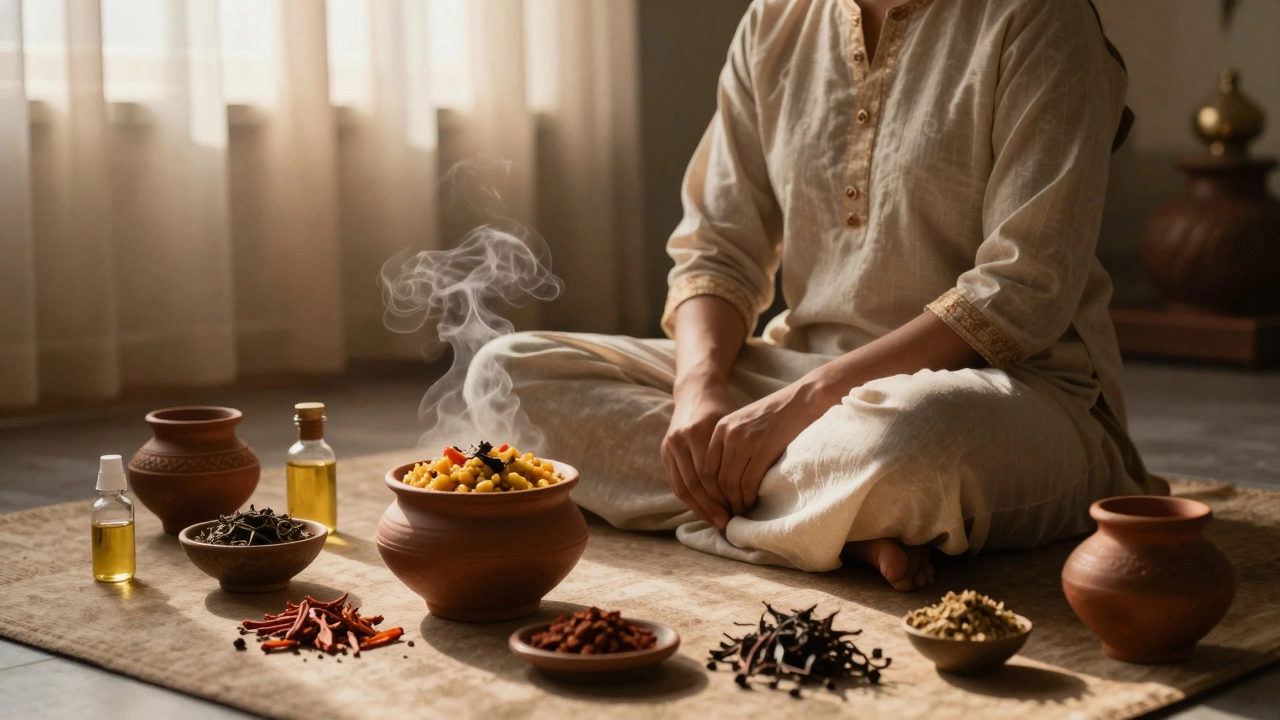
What Are the Side Effects of Ayurvedic Cleanse? Common Risks and What to Watch For
Ayurvedic cleanse may promise detox and energy, but it comes with real risks like headaches, nausea, dehydration, and heavy metal poisoning. Learn who should avoid it and safer alternatives.
read more