
Ayurvedic Cleanse Risk Assessment Tool
Assess Your Risk Level
This tool helps determine if you should avoid or proceed with caution when considering an Ayurvedic cleanse based on your health conditions.
Your risk assessment:
Select your conditions to see your risk level
People turn to Ayurvedic cleanse hoping to reset their digestion, lose weight, or feel more energetic. But what happens when your body doesn’t respond the way you expected? While many praise Ayurvedic detox for its ancient roots and natural ingredients, the side effects aren’t talked about enough. You might feel worse before you feel better-and that’s not always a sign it’s working.
What Is an Ayurvedic Cleanse?
An Ayurvedic cleanse, often called Panchakarma, is a five-step detox process rooted in 5,000-year-old Indian medicine. It’s not just drinking lemon water or skipping meals. It includes oil massages, herbal enemas, vomiting induced by herbs, nasal cleansing, and dietary shifts. The goal is to remove Ama-a term for undigested food and toxins that stick to your digestive tract. Practitioners say this clears blockages and restores balance in your doshas: Vata, Pitta, and Kapha.
But this isn’t a weekend reset. Most programs last 7 to 21 days. They require strict rules: no caffeine, no sugar, no processed food, and often no talking after sunset. You’re expected to rest, drink warm herbal teas, and follow a monotonous diet of kitchari (rice and lentils). For some, this feels like a spiritual retreat. For others, it feels like punishment.
Common Side Effects of Ayurvedic Cleanse
Even when done correctly, Ayurvedic cleanses trigger real physical reactions. These aren’t rare-they’re expected by trained practitioners. But if you’re doing this on your own, you might mistake normal detox symptoms for something dangerous.
- Headaches and dizziness-Often from caffeine withdrawal, low blood sugar, or sudden salt reduction. One 2023 study in the Journal of Ayurveda and Integrative Medicine found 42% of participants reported headaches during the first 3 days.
- Nausea and vomiting-Part of the process in some protocols. But if it lasts more than 48 hours or includes blood, it’s a red flag.
- Extreme fatigue-Your body is redirecting energy from digestion to detox. This is normal for 2-5 days. If you can’t get out of bed after day 7, something’s off.
- Diarrhea or constipation-Herbs like triphala or senna can cause loose stools. But if you’re having watery bowel movements 6+ times a day, you risk dehydration.
- Emotional swings-Anxiety, irritability, crying spells. Ayurveda says this is the release of emotional toxins. Science says it’s likely low blood sugar and disrupted sleep.
Who Should Avoid Ayurvedic Cleanses?
Not everyone benefits from detox. Some people are at real risk.
- Pregnant or breastfeeding women-Herbs like aloe vera, licorice root, and triphala can stimulate uterine contractions or affect milk supply.
- People with kidney or liver disease-Your organs are already working hard. Adding herbal diuretics or laxatives can overload them.
- Diabetics-Many cleanses involve fasting or low-carb diets. Blood sugar can crash. One patient in a 2024 case report dropped from 180 mg/dL to 52 mg/dL in 36 hours.
- People on blood thinners or chemotherapy-Herbs like turmeric, ginger, and ashwagandha interact with medications. Turmeric can increase bleeding risk. Ashwagandha may interfere with immunotherapy.
- Underweight or elderly individuals-They don’t have the energy reserves to handle prolonged fasting or nutrient restriction.
Hidden Dangers: Contaminated Herbs and Unregulated Products
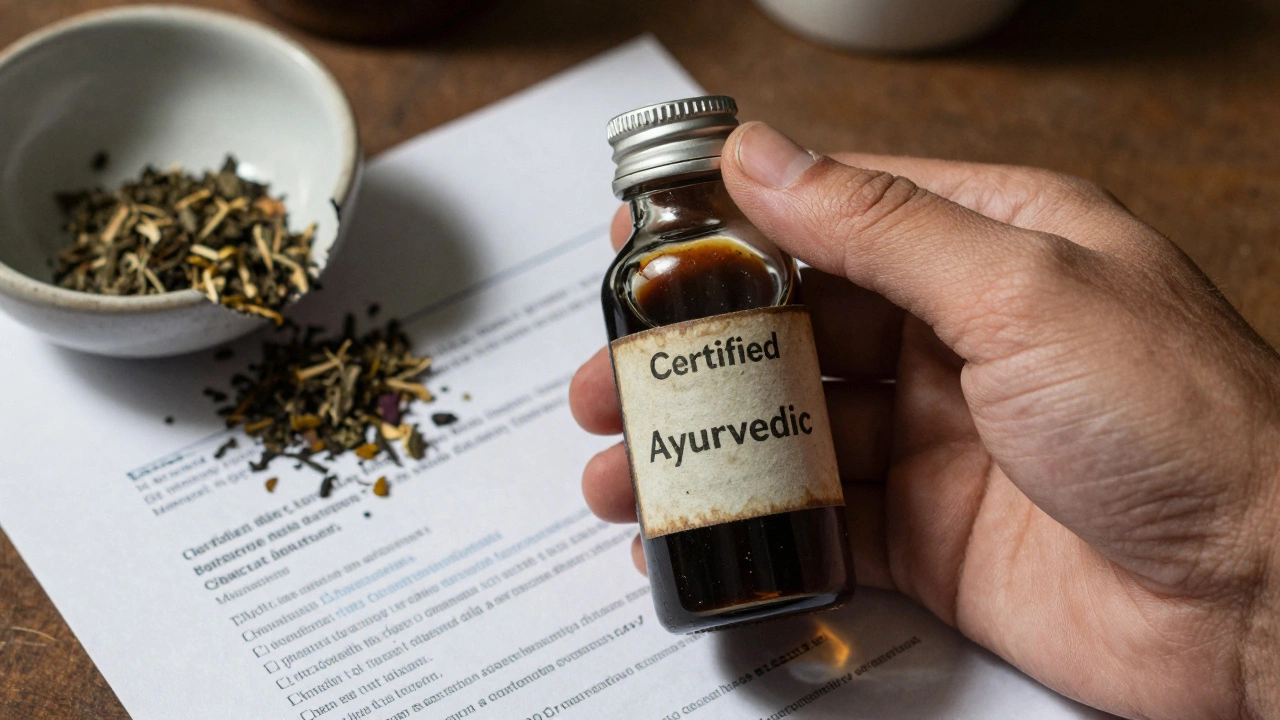
The biggest risk isn’t the cleanse itself-it’s what’s in the herbs. A 2022 investigation by the FDA found that 23% of Ayurvedic supplements sold online contained lead, mercury, or arsenic. These aren’t accidental. They’re sometimes added intentionally to boost potency.
Products labeled “natural” or “traditional” aren’t tested for safety like pharmaceuticals. You might buy a bottle from a website that says “authentic Ayurveda,” but the herbs could be grown in polluted soil or mixed with industrial fillers. One woman in California developed chronic lead poisoning after using a 30-day cleanse kit bought on Instagram. Her lead levels were 10 times above safe limits.
Always ask for a certificate of analysis (COA) from the manufacturer. Look for third-party testing from labs like USP or NSF. If they can’t provide it, don’t take it.
When Is It Safe to Try?
Ayurvedic cleanse isn’t inherently bad. Many people report better sleep, clearer skin, and reduced bloating afterward. But safety depends on how you do it.
- Work with a certified Ayurvedic practitioner-not a yoga teacher or Instagram influencer.
- Start with a 3-day gentle cleanse before jumping into 14-day Panchakarma.
- Get blood work done before and after. Check liver enzymes, kidney function, and electrolytes.
- Never combine it with other detoxes like juice cleanses, colonics, or fasting apps.
- Stop immediately if you have chest pain, confusion, dark urine, or fever.

Alternatives That Are Safer
You don’t need a 21-day detox to feel better. Simple, science-backed habits do more with less risk.
- Drink warm water with lemon in the morning-Helps digestion without triggering electrolyte loss.
- Eat fiber-rich foods-Oats, lentils, broccoli, and flaxseed naturally support gut health.
- Reduce sugar and processed oils-This cuts inflammation without needing herbs or fasting.
- Get 7-8 hours of sleep-Your liver detoxes while you rest. No herbs required.
- Move your body daily-Walking 30 minutes improves circulation and lymph flow better than any herbal enema.
What to Do If You Feel Worse After a Cleanse
If you’ve done a cleanse and now feel shaky, nauseous, or mentally foggy, don’t wait. You might be dehydrated, low on sodium, or reacting to heavy metals.
Here’s what to do right away:
- Stop all herbs and supplements.
- Drink electrolyte-rich fluids-coconut water, broth, or oral rehydration salts.
- Eat small, plain meals: rice, bananas, toast, boiled potatoes.
- See a doctor. Ask for a blood test for liver enzymes, kidney function, and heavy metals.
- Report the product to your country’s health agency. In the U.S., use the FDA’s MedWatch system.
Many people feel fine after a cleanse. But others suffer real harm because they assumed natural = safe. It’s not. Ayurveda is powerful medicine. And like all powerful medicine, it can hurt if used carelessly.
Can Ayurvedic cleanse help with weight loss?
Some people lose 5-10 pounds during a cleanse, but most of it is water and muscle, not fat. The weight comes back quickly once you eat normally again. Sustainable weight loss comes from balanced meals and regular activity-not short-term detoxes.
Is it safe to do an Ayurvedic cleanse at home?
Only if you’re healthy, well-informed, and using verified, tested herbs. Most people shouldn’t attempt Panchakarma at home. The procedures like nasal cleansing and herbal vomiting require supervision. Even simple herbal teas can interact with medications. If you’re unsure, skip it.
How long do side effects last after an Ayurvedic cleanse?
Mild symptoms like fatigue or headaches usually clear in 2-4 days. Diarrhea or nausea should stop within 48 hours. If symptoms last longer than a week, or get worse, seek medical help. Persistent symptoms could mean liver stress, dehydration, or heavy metal poisoning.
Do Ayurvedic herbs have FDA approval?
No. The FDA doesn’t approve Ayurvedic herbs as drugs. They’re sold as dietary supplements, which means they don’t have to prove safety or effectiveness before being sold. That’s why contamination is so common. Always choose brands that test for heavy metals and publish results.
Can Ayurvedic cleanse cure chronic diseases?
No. There’s no scientific evidence that Ayurvedic cleanse cures diabetes, cancer, or heart disease. It may help manage symptoms like bloating or fatigue, but it doesn’t replace treatment. Relying on it instead of medical care can be dangerous.
Final Thoughts
Ayurvedic cleanse isn’t magic. It’s not a cure-all. And it’s not risk-free. The same herbs that help one person can harm another. What works for a 30-year-old athlete might make a 65-year-old with high blood pressure sick.
If you want to feel better, start with what science agrees on: eat real food, move daily, sleep well, and reduce stress. You don’t need to purge your body to reset it. Your liver and kidneys are already doing the job-just give them the right conditions.
Respect Ayurveda as a system of medicine, not a trendy detox. And if you do try it, do it with eyes wide open-know the risks, know the sources, and know when to stop.