Ozempic Side Effects: What You Need to Know Before Using It
When you hear about Ozempic, a prescription medication used for type 2 diabetes and weight loss, also known as semaglutide, it’s often framed as a miracle drug. But behind the headlines are real people dealing with nausea, vomiting, and worse. Ozempic works by slowing digestion and reducing appetite—great for losing weight, but not without trade-offs. It’s not a supplement. It’s a powerful drug, and like all drugs, it comes with a list of possible side effects that many users don’t expect.
One of the most common issues is gastrointestinal distress, including nausea, vomiting, diarrhea, and constipation. These aren’t rare. In clinical trials, over half of users reported stomach problems, especially when starting the dose. It’s not just "a little upset stomach." Some people feel so sick they can’t eat, lose weight too fast, or end up in the ER. Then there’s the risk of pancreatitis, inflammation of the pancreas that can be life-threatening. It’s rare, but it’s real. People with a history of gallbladder disease or thyroid cancer should avoid Ozempic altogether. And if you’re taking it for weight loss, not diabetes, you’re using it off-label—which means your doctor might not be fully prepared to handle complications.
Another layer people ignore is how Ozempic affects your body long-term. It doesn’t just suppress hunger—it can change how your body processes food, nutrients, and even emotions. Some users report brain fog, fatigue, or mood swings. Others lose muscle mass because they’re not eating enough protein. And when you stop taking it? Weight often comes back fast. This isn’t a quick fix. It’s a tool that works only if you’re monitored closely, eating properly, and aware of what your body is telling you. If you’re considering Ozempic, ask your doctor: What’s my risk for gallstones? Do I have a family history of thyroid cancer? Am I getting enough protein? These aren’t just questions—they’re your safety net.
The posts below cover what actually happens when people use Ozempic, semaglutide, and similar weight loss drugs. You’ll find real stories, medical warnings, and comparisons with other treatments. No hype. Just facts from people who’ve been through it—and the experts who track the risks. Whether you’re thinking about starting it, already on it, or just curious, this collection gives you what you won’t find on a pharmacy flyer.
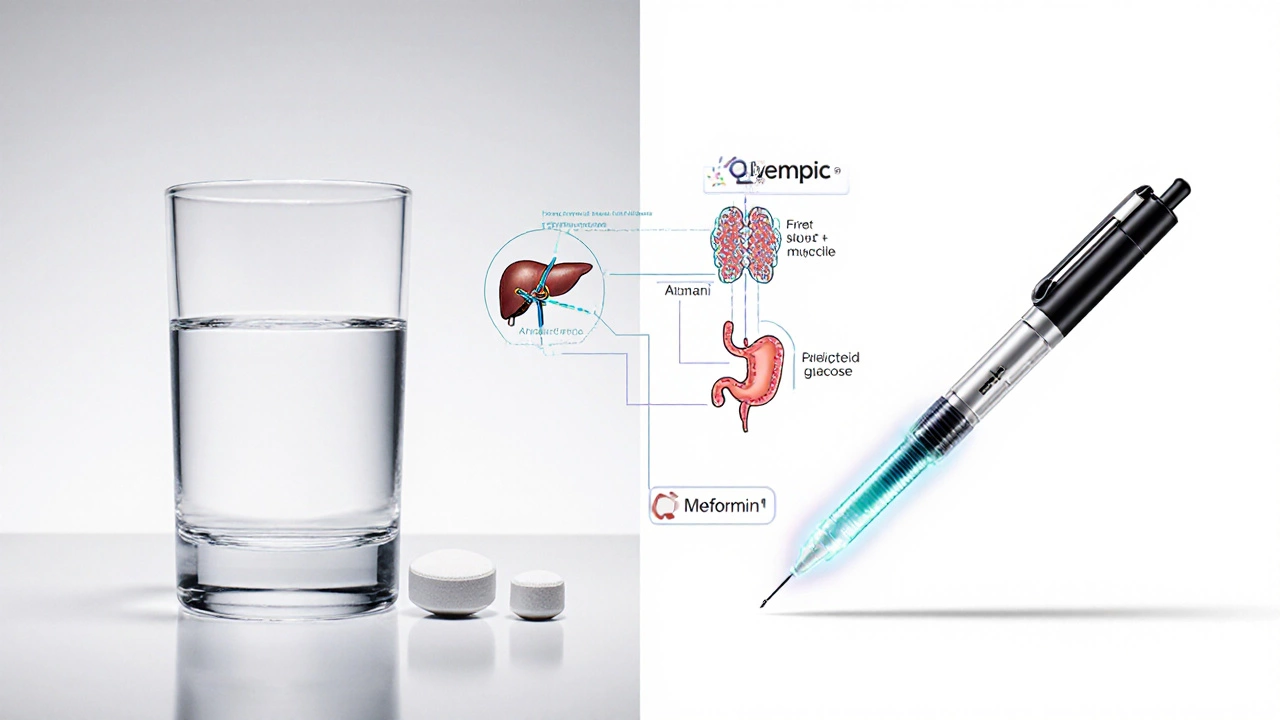
Is Metformin the Same as Ozempic? Key Differences Explained
Metformin and Ozempic both treat type 2 diabetes and help with weight loss, but they work very differently. One is an old, cheap pill. The other is a powerful injection. Here’s what you really need to know.
read more