Herbal Supplement Side Effects: What You Need to Know Before Taking Them
When you think of herbal supplements, natural products made from plants used to support health or treat conditions. Also known as botanicals, they’re often seen as safer than prescription drugs because they come from nature. But that’s a dangerous myth. Just because something is plant-based doesn’t mean it’s harmless. Many herbal supplements interact with medications, trigger allergic reactions, or even damage your liver or heart. The rise in popularity of Ayurveda, traditional Chinese medicine, and wellness trends has made these products more common than ever—but most people don’t know the risks.
Take ashwagandha, an adaptogenic herb commonly used for stress and sleep. Also known as Indian ginseng, it’s praised for calming the nervous system. But if you have an overactive thyroid, autoimmune disease, or are on sedatives or blood pressure meds, it can make things worse. Similarly, herbs that raise blood pressure, like licorice root, ephedra, and yohimbine, are often sold as energy boosters or weight loss aids. People take them without realizing they’re pushing their blood pressure into dangerous territory—especially if they already have hypertension or heart issues. Even something as simple as a daily tea made with Amla or turmeric can interfere with blood thinners or diabetes drugs. These aren’t rare cases. Studies show herbal supplement-related ER visits have doubled in the last decade.
There’s no government agency checking every herbal product before it hits shelves. Labels often don’t list exact dosages, contaminants, or interactions. What you think is pure ashwagandha might contain heavy metals, undisclosed pharmaceuticals, or other herbs you didn’t ask for. And if you’re using these alongside prescription meds—for diabetes, depression, or heart disease—you’re playing Russian roulette with your health. The truth is, natural doesn’t mean safe. It just means unregulated.
That’s why the posts below matter. They don’t just list herbs or claim they work. They tell you who should avoid them, what side effects to watch for, and how to spot the red flags before it’s too late. You’ll find real examples—like how one woman ended up in the hospital after taking a "natural" weight loss blend, or why a man with high blood pressure couldn’t understand why his meds stopped working. These aren’t warnings from a doctor in a lab coat. These are stories from real people who learned the hard way. And if you’re thinking about trying any herbal supplement, you need to know what they didn’t tell you at the health food store.
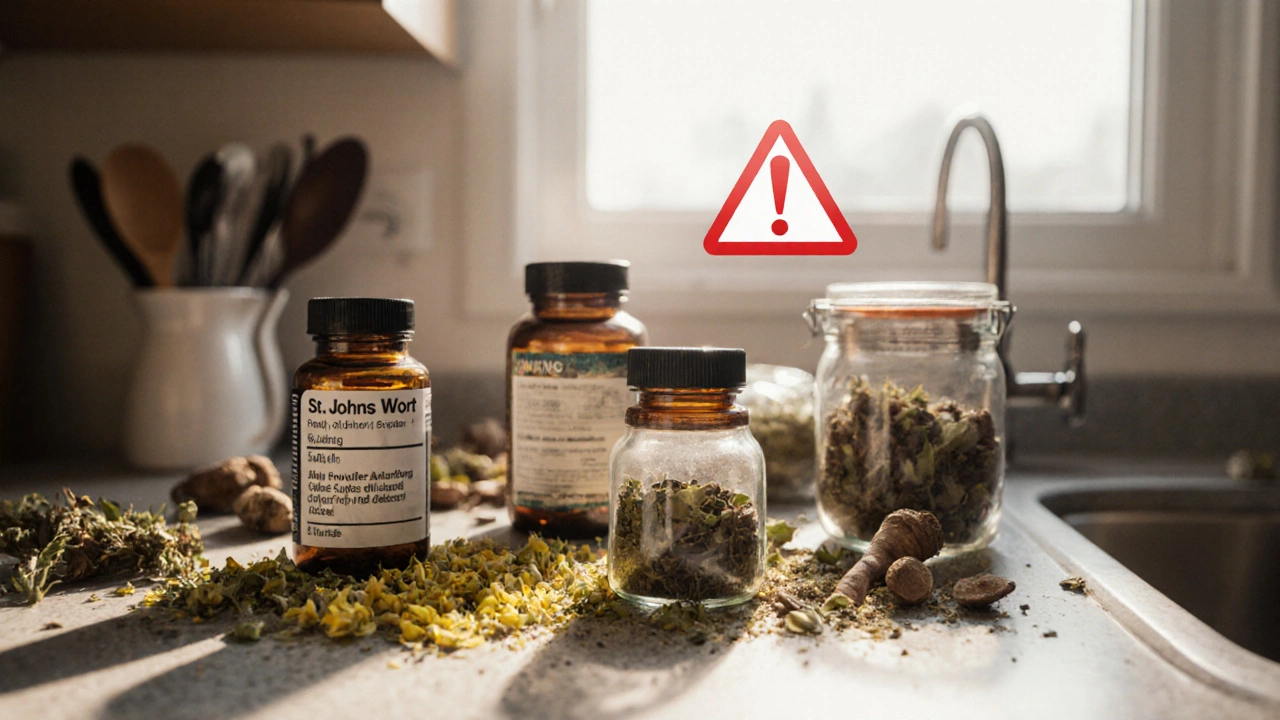
Herbal Supplements: Major Disadvantages You Must Know
Discover the hidden risks of herbal supplements, from contamination and inconsistent dosing to dangerous drug interactions and side effects. Learn how to choose safer products and protect your health.
read more