Healing Herbs: Natural Remedies for Skin, Hair, and Overall Health
When you think of healing herbs, plants used for centuries to treat illness, improve skin, and boost wellness. Also known as medicinal plants, they’re not just folklore—they’re part of real, science-backed routines used in Ayurveda, traditional Indian medicine, and modern natural health practices. From calming irritated skin to helping hair grow back, these plants work in ways pills often can’t. But not all herbs are safe for everyone. Some can raise blood pressure, interfere with medications, or cause allergic reactions. That’s why knowing which ones to use—and how—is just as important as using them at all.
Many of the herbs people turn to for skin and hair health show up in the posts below. Amla, a fruit rich in vitamin C and antioxidants, used in Indian hair rinses and skin toners is a star in traditional hair washing. Ashwagandha, an adaptogen known for reducing stress and improving sleep helps with hormonal balance, which affects acne and hair loss. But if you have thyroid issues or take certain meds, it’s risky. Then there’s turmeric, a powerful anti-inflammatory root used in face masks and internal remedies—it’s great for reducing redness, but can stain skin if not mixed right. These aren’t just ingredients; they’re tools that require understanding.
What you’ll find in the posts below isn’t a list of miracle cures. It’s a practical guide to what actually works. You’ll see how Ayurveda uses herbs for detox and hair regrowth, what herbs might be making your blood pressure worse, and why some supplements are more dangerous than people admit. No hype. No vague promises. Just clear, real talk about what healing herbs can and can’t do—for your skin, your hair, and your body. Whether you’re trying to reduce acne naturally, stop hair thinning, or just feel better from the inside out, the answers here are grounded in what people have tried, tested, and shared.
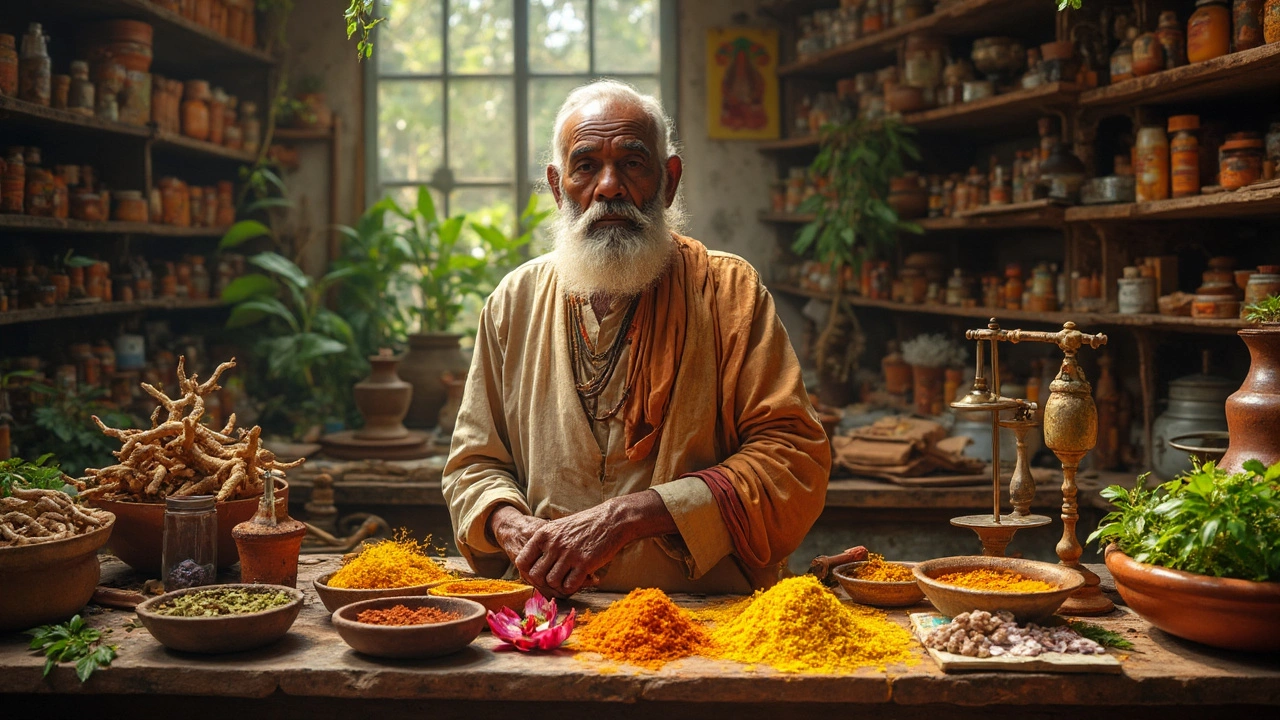
King of Healing Herbs: What Deserves the Crown?
What’s the absolute king of healing herbs? This article breaks down the legend and reality behind popular herbal remedies and takes a hard look at which one truly deserves the top spot. You’ll find real-life tips on using herbs safely, what the science actually shows, and how tradition shapes our choices. Whether you love ashwagandha, swear by turmeric, or never leave home without some holy basil, this deep dive cuts through the hype. Find out which herb really rules the world of natural healing.
read more