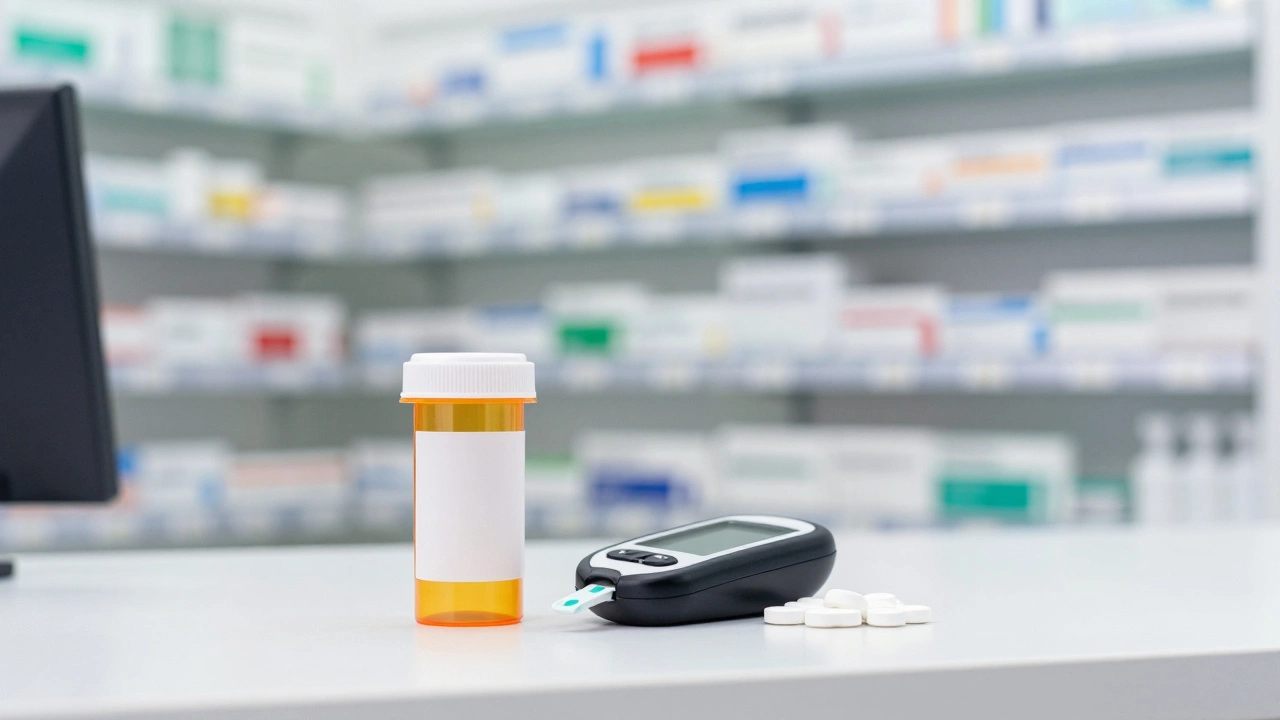
Metformin Safety & Compatibility Checker
Check if your current health markers and circumstances align with general FDA guidelines for metformin use. Disclaimer: This tool is for educational purposes only. Always consult your doctor before making medication changes.
Suggested Discussion Points for Your Doctor:
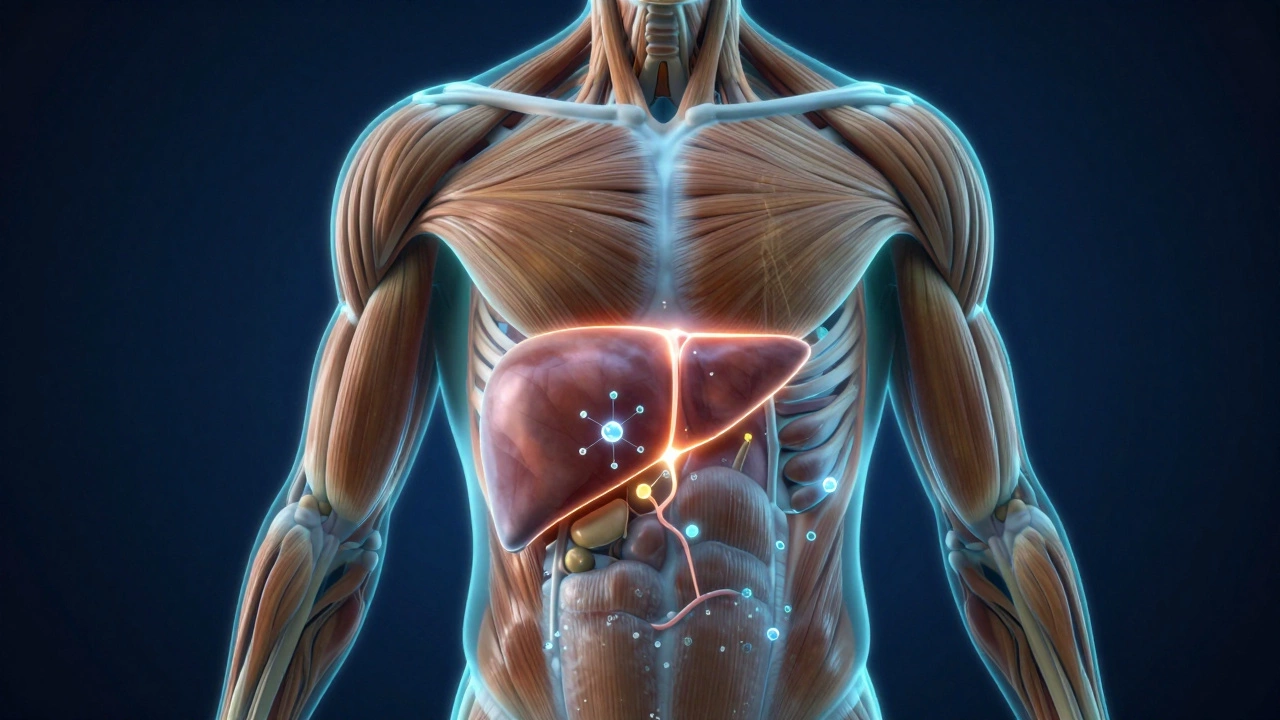
To understand why people think it's banned, we first need to look at what the drug actually is. metformin is a biguanide medication used primarily to treat type 2 diabetes by lowering glucose production in the liver and improving insulin sensitivity. It has been a gold standard for decades because it doesn't typically cause hypoglycemia (dangerously low blood sugar) and can even help with weight management.
The Truth About the FDA Warnings
The "ban" rumors usually start when people read about Lactic Acidosis. This is a rare but serious condition where too much lactic acid builds up in the bloodstream. The FDA (Food and Drug Administration) does have a warning on metformin labels regarding this risk. It isn't a ban; it's a safety precaution. For most people, the risk is incredibly low. However, if you have severe kidney disease or severe heart failure, your body can't clear the drug efficiently, which increases the risk of lactic acid buildup. Because of this, doctors won't prescribe it to people with an estimated glomerular filtration rate (eGFR) below 30 mL/min/1.73m².
Imagine it like a speed limit. A speed limit isn't a "ban" on driving; it's a rule to keep you safe based on the conditions of the road. The FDA warnings are simply the "speed limits" for metformin use.
The NDMA Recall Scare
Another reason for the confusion was a major event around 2020. The FDA found that some batches of extended-release metformin contained NDMA (N-Nitrosodimethylamine), which is classified as a probable human carcinogen. This led to a massive recall of specific brands and generic versions of the drug. When news outlets report a "massive recall," people often misremember it as a total ban on the medication itself.
The reality was that the problem lay in the manufacturing process of certain batches, not in the metformin molecule itself. The FDA didn't stop doctors from prescribing metformin; they just told them to stop using specific lot numbers from specific manufacturers. If you check your pharmacy records from that time, you likely saw a switch to a different manufacturer rather than a stop in treatment.
| Concern | The "Rumor" | The Medical Reality |
|---|---|---|
| Lactic Acidosis | The drug is too dangerous for general use. | Rare; only a major risk for those with severe kidney failure. |
| NDMA Contamination | Metformin causes cancer. | Specific batches were contaminated; the drug itself is not a carcinogen. |
| FDA Status | Banned in the US. | FDA approved and widely used as a first-line therapy. |
Why Metformin Stays on the Market
If there were actual systemic dangers, the FDA would have pulled it. Instead, metformin is often the first drug doctors reach for. Why? Because it addresses the root cause of type 2 diabetes: Insulin Resistance. Unlike some other drugs that just force the pancreas to pump out more insulin, metformin helps your muscles and liver actually use the insulin you already have. This prevents the pancreas from burning out too quickly.
Furthermore, recent research has looked into metformin for things beyond diabetes. There are ongoing studies exploring its potential to slow the progression of aging or even reduce the risk of certain cancers. A drug that is "banned" wouldn't be the subject of cutting-edge longevity research at major universities.
Who Should Actually Be Cautious?
While it's not banned, it's not for everyone. There are a few real-world scenarios where you and your doctor need to be careful. First, if you are undergoing an imaging test that requires Iodinated Contrast (like some CT scans), you usually have to stop taking metformin for 48 hours. The contrast dye can temporarily stress your kidneys, and if metformin builds up during that window, the risk of lactic acidosis spikes.
Second, heavy alcohol consumption is a big red flag. Alcohol inhibits the liver's ability to clear lactate, which creates a dangerous synergy with metformin. If you're a heavy drinker, your doctor might suggest a different medication like SGLT2 Inhibitors or GLP-1 Receptor Agonists (like Ozempic or Mounjaro), which work through different pathways in the body.

Comparing Metformin to Modern Alternatives
You might wonder why some people are switching away from metformin. It's not because of a ban, but because of the "side effect profile." Metformin is notorious for causing gastrointestinal issues-bloating, nausea, and diarrhea-especially during the first few weeks. For some, these side effects are intolerable.
Newer classes of drugs offer different benefits. For example, SGLT2 inhibitors help the kidneys flush out excess glucose through urine, which also lowers blood pressure. GLP-1 agonists mimic a hormone that tells your brain you're full, leading to significant weight loss. These aren't replacements because metformin is "bad," but because medicine has evolved to provide more tailored options based on a patient's specific needs (like whether they need to lose 30 pounds or protect their heart).
Practical Tips for Users
If you are currently taking metformin and feeling anxious about these rumors, here are a few rules of thumb to stay safe:
- Switch to Extended Release (ER): If the stomach issues are bothering you, ask for the ER version. It releases the drug slowly, which is much gentler on the gut.
- Monitor Kidney Function: Get your creatinine and eGFR levels checked at least once a year. As long as your kidneys are working, the lactic acidosis risk is negligible.
- Hydrate: Staying hydrated helps your kidneys clear the medication and any contrast dyes used in medical imaging.
- Be Honest About Alcohol: Tell your doctor if your drinking habits change, as this directly impacts how the drug interacts with your liver.
Is metformin illegal in the USA?
No, metformin is not illegal. It is an FDA-approved medication and is one of the most commonly prescribed drugs for type 2 diabetes in the United States.
Why did some pharmacies stop selling certain metformin brands?
This happened due to the discovery of NDMA (a probable carcinogen) in some extended-release versions. This resulted in targeted recalls of specific lots, not a ban on the drug itself.
Can I take metformin if I have kidney problems?
It depends on the severity. If your eGFR is above 45, it's usually fine. Between 30 and 45, doctors may lower the dose. If your eGFR is below 30, metformin is generally contraindicated because it increases the risk of lactic acidosis.
Does metformin cause weight gain?
Actually, the opposite is usually true. Metformin is weight-neutral or may lead to modest weight loss, making it a preferred choice for many patients compared to insulin or sulfonylureas.
What should I do if I have a CT scan scheduled?
Inform your doctor that you take metformin. They will likely tell you to stop taking the medication just before and for 48 hours after the procedure to prevent kidney stress and lactic acid buildup.