Ayurvedic Dosha & Agni Quiz
Answer the following questions honestly to discover your primary bio-energy type and get personalized dietary tips.
Your Dominant Dosha
Vata Traits
Diet Focus: Warm, moist, oily, grounding foods. Avoid raw salads and cold drinks.
Pitta Traits
Diet Focus: Cooling, sweet, bitter foods. Avoid excessive spice, alcohol, and fermented foods.
Kapha Traits
Diet Focus: Light, dry, spicy, stimulating foods. Avoid heavy dairy, sugar, and fried foods.
Check Your Agni (Digestive Fire)
Look at your tongue in the morning before eating/drinking:
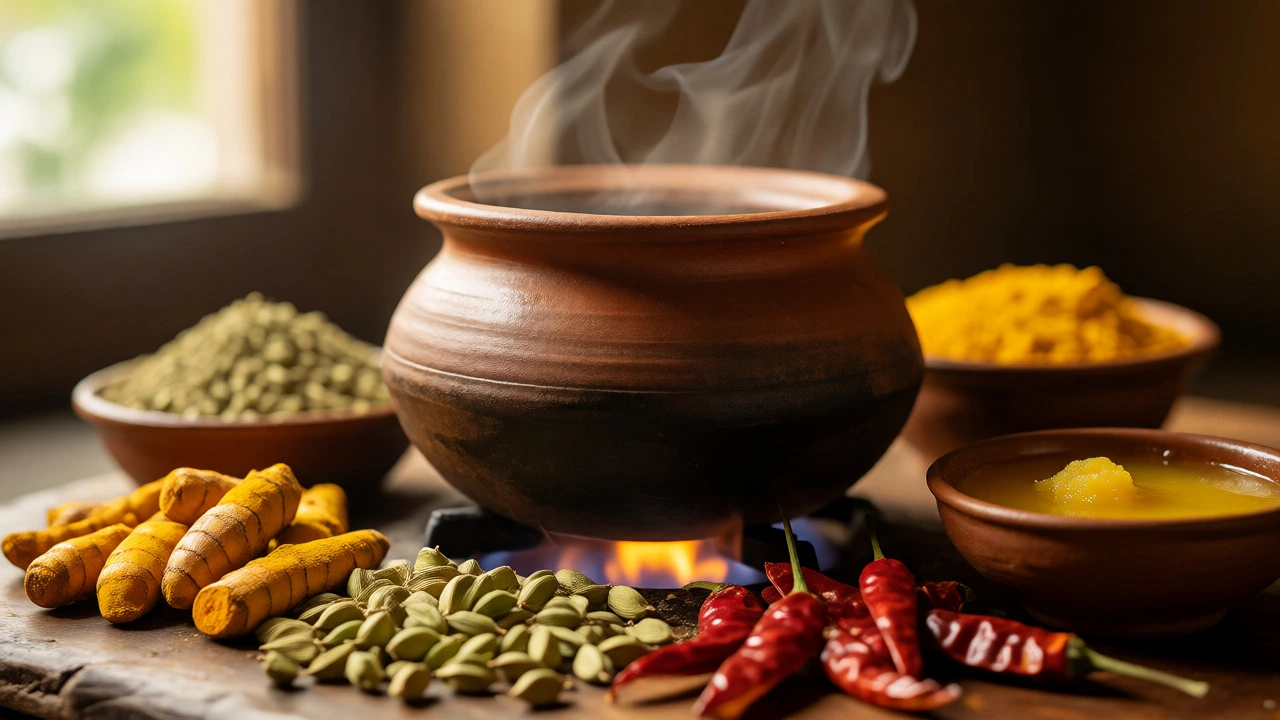
Imagine your stomach as a fire. In Western nutrition, we often count calories or macros, treating food purely as fuel. But in Ayurveda, the ancient Indian system of medicine, food is information. It tells your cells how to behave. If you’ve ever felt heavy after a salad that was supposed to be "healthy," or sluggish after a protein shake, your body might be telling you something different than what a calorie counter did.
Starting an Ayurvedic diet isn’t about strict rules or expensive superfoods. It’s about learning to listen to your own biology. The core idea? You are unique. Your digestive strength, your metabolism, and your energy levels are specific to you. This article breaks down exactly how to start this journey without getting overwhelmed by Sanskrit terms or complex meal plans.
Understand Your Body Type (The Three Doshas)
You can’t fix what you don’t understand. Before you change what’s on your plate, you need to know who you are. Ayurveda categorizes human physiology into three primary bio-energies, or Doshas: Vata, Pitta, and Kapha. Everyone has all three, but one or two usually dominate.
Vata is air and space. People with a dominant Vata constitution tend to be thin, creative, and quick-thinking, but they also suffer from anxiety, dry skin, and irregular digestion. They need grounding, warm, oily foods.
Pitta is fire and water. Pittas are sharp, focused, and have strong appetites. When out of balance, they get angry, inflamed, or deal with acidity and heartburn. They need cooling, sweet, and bitter foods.
Kapha is earth and water. Kaphas are calm, sturdy, and loyal. They gain weight easily and feel lethargic if they eat too much heavy food. They need light, dry, spicy, and stimulating foods.
Don’t worry if you don’t know yours yet. Most people are dual-types (like Vata-Pitta). We’ll cover simple ways to identify yours later, but for now, just know that "one size fits all" diets fail because they ignore these differences.
The Real Secret: Agni (Digestive Fire)
Here is the most critical concept in Ayurvedic eating: Agni means digestive fire. You could eat the healthiest organic kale salad in the world, but if your Agni is weak, that kale turns into toxins (Ama) instead of nutrients. Think of it like a campfire. If the fire is roaring, you can throw big logs (heavy proteins) on it, and they burn cleanly. If the fire is a dying ember, throwing a big log on it will just smother it and create smoke.
In modern life, our Agni is often low because we eat when stressed, eat cold foods, or snack constantly. Starting an Ayurvedic diet means prioritizing your digestion over the nutritional label. Signs your Agni is weak include bloating after meals, brain fog, coated tongue, or feeling tired immediately after eating. If this sounds familiar, stop adding new supplements. First, kindle the fire.
Step 1: Eat Mindfully and Timing Matters
Ayurveda places huge emphasis on when and how you eat, not just what. Modern science backs this up-circadian rhythms affect insulin sensitivity. But Ayurveda took this further thousands of years ago.
- Breakfast: Should be light. Your digestive fire is weakest in the morning. Think warm porridge or stewed fruit, not a massive omelet and toast.
- Lunch: Make this your biggest meal. Between 12 PM and 2 PM, the sun is highest, and so is your internal fire. Eat your heaviest carbs and proteins here.
- Dinner: Keep it light and early. Finish eating at least 3 hours before bed. Late-night eating disrupts sleep and creates Ama.
Also, never eat while distracted. No phones, no TV. Sit down. Chew thoroughly. Digestion starts in the mouth. If you swallow large chunks, your stomach has to work overtime, draining energy from other bodily functions.
Step 2: Incorporate the Six Tastes (Shad Rasa)
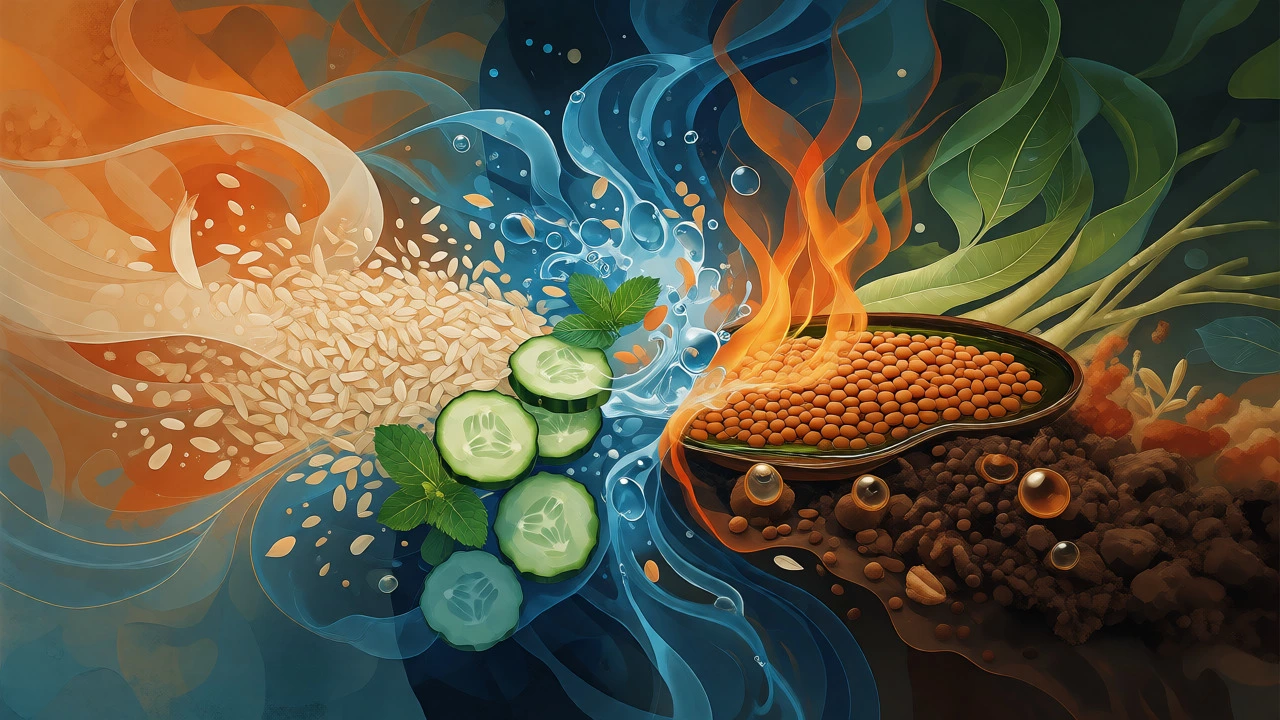
Western diets focus on sweet, salty, and sour. Ayurveda insists on six tastes in every main meal to ensure satisfaction and nutrient absorption. These are Sweet, Sour, Salty, Pungent, Bitter, and Astringent.
Why does this matter? Cravings are often a sign of missing tastes. If you crave chocolate (sweet), you might actually be deficient in minerals or warmth. If you crave pickles (sour/salty), you might need more hydration or electrolytes. By including small amounts of all six tastes, you signal satiety to the brain faster, preventing overeating.
| Taste (Rasa) | Effect on Body | Food Examples |
|---|---|---|
| Sweet | Nourishing, calming, builds tissue | Rice, wheat, milk, dates, bananas |
| Sour | Stimulates digestion, improves appetite | Lemon, yogurt, tamarind, vinegar |
| Salty | Retains fluid, stimulates nerves | Sea salt, seaweed, soy sauce |
| Pungent | Increases metabolism, clears sinuses | Ginger, chili, garlic, black pepper |
| Bitter | Detoxifying, reduces inflammation | Kale, fenugreek, turmeric, leafy greens |
| Astringent | Drying, toning tissues | Lentils, beans, pomegranate, tea |
Step 3: Cook Your Food (Say Goodbye to Raw Diets)
If you are used to smoothies and raw salads, this might be the hardest shift. Ayurveda generally discourages raw foods, especially for those with weak digestion or Vata/Kapha constitutions. Raw vegetables are hard to break down. They require significant energy to digest and can increase gas and bloating.
Instead, cook your veggies. Steaming, sautéing, or boiling breaks down cell walls, making nutrients more bioavailable. Add spices. Turmeric, cumin, coriander, and fennel aren't just for flavor; they are medicinal herbs that aid digestion. For example, cumin helps absorb iron, while ginger ignites Agni. A simple bowl of cooked lentils with rice (Khichdi) is considered a perfect healing meal because it’s easy to digest and balances all doshas.
Practical Swaps for Beginners
You don’t need to overhaul your kitchen overnight. Start with these simple swaps to ease into the lifestyle:
- Swap Cold Water for Warm Water: Drink room temperature or warm water throughout the day. Ice-cold water extinguishes digestive fire. Try drinking a cup of warm water with lemon first thing in the morning.
- Swap Snacking for Meals: Stop grazing. Give your gut a rest period between meals (4-5 hours). This allows the migrating motor complex (your gut's cleaning crew) to sweep away debris.
- Swap Sugar for Natural Sweeteners: Refined sugar creates inflammation. Use jaggery, maple syrup, or dates sparingly. Note: Honey should never be heated; add it to cooled drinks.
- Swap Cow Milk for Alternatives if Mucus-Producing: Many Indians drink milk daily, but if you get congested or phlegmy, try switching to almond or oat milk, or dilute cow’s milk with water and spice it with cardamom.
Identifying Your Dosha Quickly
Still unsure of your type? Look at these physical traits. Be honest-most people are mixed types.
- Are you Vata? Light frame, dry skin, cold hands/feet, irregular appetite, anxious mind. Diet Focus: Warm, moist, oily, grounding.
- Are you Pitta? Medium build, fair/reddish skin, sensitive to heat, intense focus, irritable when hungry. Diet Focus: Cool, hydrating, less spicy, moderate portions.
- Are you Kapha? Heavy build, oily skin, slow digestion, steady energy, prone to weight gain. Diet Focus: Light, dry, spicy, smaller portions, intermittent fasting friendly.
If you feel balanced, great! Maintain your current habits. If you feel off, adjust based on the above guidelines.
Common Pitfalls to Avoid
Many beginners make mistakes that set them back. Here is what to watch out for:
Over-restricting: Ayurveda is flexible. Don’t ban foods you love unless they clearly make you sick. Moderation is key.
Ignoring Seasonality: Eat according to the weather. In winter (Vata season), eat soups and stews. In summer (Pitta season), eat melons and cucumbers. Fighting nature creates imbalance.
Expecting Instant Results: Ayurveda works on a cellular level. It takes time to clear Ama (toxins) and rebuild tissue. Give it at least 30 days to see real changes in energy and digestion.
Sample One-Day Meal Plan
Here is a simple, balanced day for someone with a mild Vata-Kapha imbalance (common in urban professionals):
- Morning: Warm water with lemon. Wait 30 minutes.
- Breakfast: Stewed apples with cinnamon and walnuts. Easy to digest, warming.
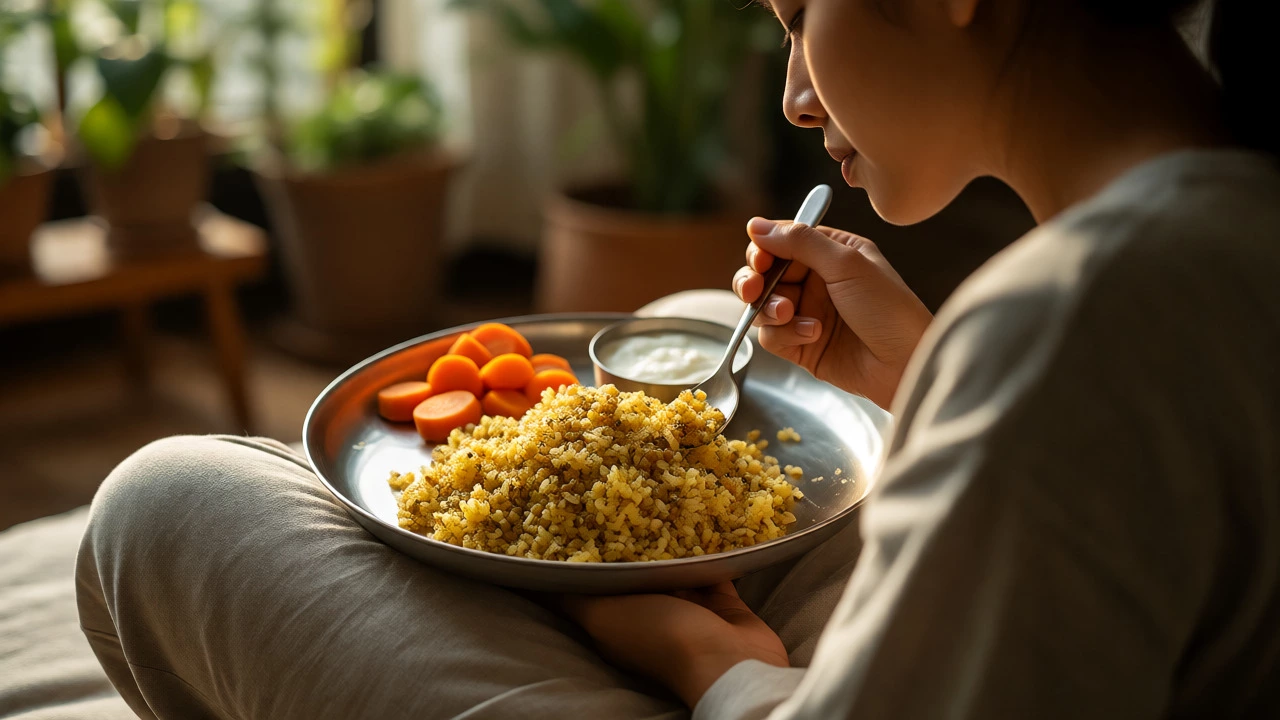
- Lunch: Khichdi (yellow mung dal and basmati rice) with ghee, steamed carrots, and a side of cucumber raita (yogurt with mint).
- Snack: Handful of soaked almonds (peeled) or a pear.
- Dinner: Vegetable soup with quinoa and fresh ginger. Light and early.
Do I have to become vegetarian to follow an Ayurvedic diet?
No. While many traditional practitioners advocate for vegetarianism due to the principle of Ahimsa (non-violence) and easier digestion, Ayurveda acknowledges that some people need meat for strength, particularly those with high Vata or certain athletic needs. If you eat meat, choose lean options, cook them well, and pair them with digestive spices. Avoid processed meats entirely.
Can I drink coffee on an Ayurvedic diet?
Coffee is generally discouraged, especially for Vata and Pitta types, because it is drying, heating, and addictive. It can aggravate anxiety and acid reflux. If you must have caffeine, switch to chai made with fresh ginger, cardamom, and milk, or try green tea. Limit coffee to one cup, preferably after breakfast, never on an empty stomach.
What is Ama and why should I care?
Ama is undigested food residue that turns into sticky toxins in the body. It blocks channels, causes fatigue, joint pain, and dull skin. You can check for Ama by looking at your tongue in the morning. If there is a thick white coating, you likely have high Ama. Fasting, warm water, and light cooked meals help clear it.
Is Ghee really healthy?
Yes, clarified butter (Ghee) is highly regarded in Ayurveda. It lubricates joints, aids digestion, and carries fat-soluble vitamins into tissues. Unlike regular butter, lactose and casein are removed, making it easier to digest for many. However, moderation is key, especially for Kapha types. 1-2 teaspoons per meal is usually sufficient.
How long does it take to see results?
Digestive improvements like reduced bloating can happen within a week. Skin clarity and energy stabilization typically take 4-6 weeks. Deep-seated imbalances may take months. Consistency matters more than perfection. One bad meal won't ruin progress, but consistent good habits build momentum.