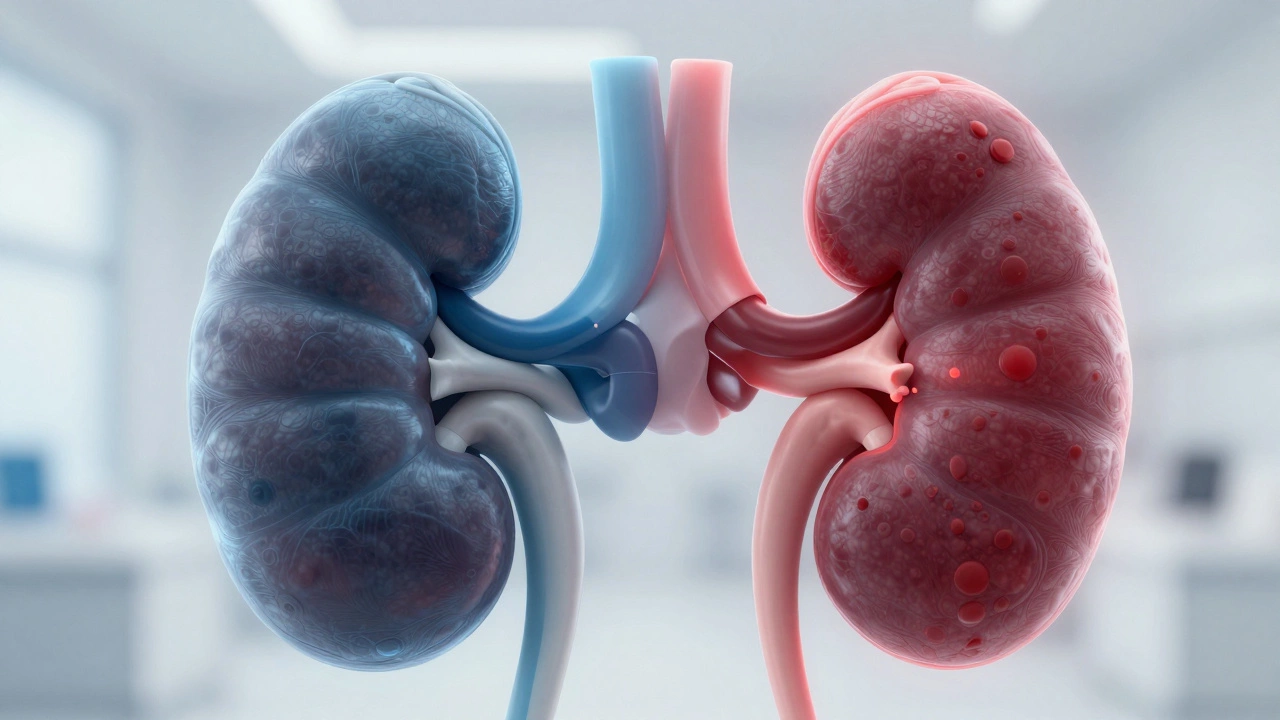
Metformin is the go-to prescription for millions of people managing type 2 diabetes. It’s cheap, effective, and generally safe. But if you’ve been taking it for a while, or maybe just started, you might have heard whispers about it being "hard" on your body. You might be wondering: what organ is metformin hard on? Is it silently damaging your kidneys? Is it stressing out your liver? Or is there another part of your anatomy paying the price?
The short answer is that metformin itself isn’t toxic to your organs in the way some other drugs are. However, because it works through specific pathways in your body, certain organs play a critical role in processing it. When those organs aren’t functioning at 100%, metformin can build up to dangerous levels. This creates a feedback loop where the drug stresses the very organs meant to clear it from your system.
Before we get into the medical weeds, it helps to understand how this medication moves through your body. Unlike many other drugs that rely heavily on the liver to break them down, metformin is unique. It passes through your system largely unchanged. This sounds good until you realize that one specific organ has to work overtime to filter it out. That organ is your kidneys.
Quick Summary: Key Takeaways
- Kidneys are the primary concern: Metformin is excreted unchanged by the kidneys. If kidney function declines, the drug accumulates.
- Liver issues matter too: While not directly toxic to the liver, severe liver disease can increase the risk of lactic acidosis when combined with metformin.
- Gut health takes a hit: Digestive issues like nausea and diarrhea are the most common side effects, affecting the stomach and intestines.
- Vitamin B12 depletion: Long-term use can lower B12 levels, potentially leading to nerve damage (neuropathy) and anemia.
- Regular monitoring is key: Blood tests for kidney function (eGFR) and B12 levels should be done annually or as directed by your doctor.
The Kidney Connection: Why They Bear the Brunt
When doctors talk about metformin safety, the conversation almost always starts with the kidneys. Here’s why. Most medications are metabolized by the liver-broken down into smaller pieces before being eliminated. Metformin skips this step. It travels through your bloodstream until it reaches your kidneys, which then filter it out and send it into your urine. Because the drug doesn’t change chemically, your kidneys have to handle the full concentration of the molecule.
If your kidneys are healthy, this process is seamless. They do their job, and you never think about it. But if you have underlying kidney disease, or if your kidney function drops due to age, dehydration, or high blood pressure, the filtration rate slows down. This leads to a condition called renal impairment. When the kidneys can’t clear metformin fast enough, it builds up in your blood.
This buildup is dangerous because it increases the risk of a rare but serious condition known as lactic acidosis. Lactic acidosis happens when lactic acid accumulates faster than your body can remove it. Symptoms include extreme fatigue, muscle pain, trouble breathing, and stomach discomfort. It’s a medical emergency. This is why doctors routinely check your estimated glomerular filtration rate (eGFR) before prescribing metformin and periodically thereafter. If your eGFR falls below 30 mL/min/1.73 m², metformin is usually stopped. Between 30 and 45, the dose is often reduced.
It’s important to clarify a common misconception: metformin does not cause kidney failure. Instead, pre-existing kidney problems make metformin risky. The drug doesn’t attack the kidney tissue; it just gets stuck there if the filters clog up. Think of it like traffic on a highway. If the exit ramps (kidneys) are blocked, cars (metformin) pile up on the road (bloodstream), causing chaos.
For context, staying hydrated is crucial. Dehydration can temporarily reduce kidney function, even in healthy people. If you’re sick with vomiting or diarrhea, or if you’re sweating heavily in hot weather, your kidneys may struggle to filter waste efficiently. In these cases, doctors often advise pausing metformin until you’re rehydrated and stable. It’s a simple precaution that prevents unnecessary stress on your renal system.
The Liver’s Role: Not Directly Toxic, But Still Important
While the kidneys get most of the attention, the liver plays a supporting role in metformin safety. Metformin doesn’t undergo significant metabolism in the liver, so it’s not hepatotoxic (liver-damaging) in the traditional sense. You won’t see direct liver cell death from the drug itself. However, the liver is responsible for clearing lactate from your body through a process called gluconeogenesis. Since metformin slightly inhibits this process, it can lead to higher levels of lactate in the blood.
In a healthy person, this slight increase is harmless. Your liver easily handles the extra load. But if you have severe liver disease, such as cirrhosis or hepatitis, your liver’s ability to clear lactate is already compromised. Adding metformin to the mix can tip the balance, increasing the risk of lactic acidosis. For this reason, metformin is generally avoided in patients with active liver disease or heavy alcohol use, which also stresses the liver.
Alcohol is a double-edged sword here. Drinking heavily while on metformin not only strains the liver but also impairs kidney function. It’s a combination that significantly raises the stakes for lactic acidosis. If you enjoy an occasional drink, moderate consumption is usually fine, but binge drinking is a definite no-go. Always discuss your alcohol habits with your healthcare provider, especially if you have any history of liver issues.
Another factor to consider is heart failure. Severe heart failure can reduce blood flow to the kidneys and liver, impairing their function. This indirect effect means that patients with unstable heart conditions need careful monitoring when taking metformin. It’s not that the drug hurts the heart directly, but rather that poor circulation limits the body’s ability to process and eliminate it safely.

Digestive Distress: The Gut Takes a Hit
If we’re talking about what organ feels the immediate impact of metformin, the answer is often your digestive system. Up to 20-30% of people experience gastrointestinal side effects when they start taking the medication. These symptoms can range from mild annoyance to severe discomfort, making it the most common reason people stop taking the drug.
The stomach and intestines are particularly sensitive. Common complaints include nausea, bloating, gas, and diarrhea. Some people describe a metallic taste in their mouth, which can ruin the enjoyment of meals. These side effects happen because metformin alters the gut microbiome-the community of bacteria living in your intestines. It changes the pH level and affects how nutrients are absorbed. While this shift can actually help lower blood sugar by reducing glucose absorption, it comes at the cost of comfort.
Fortunately, these digestive issues often improve over time. Many people find that their bodies adjust after a few weeks or months. To minimize the initial shock, doctors often recommend starting with a low dose and gradually increasing it. Taking the medication with food also helps buffer the stomach. Extended-release formulations are another option. They release the drug slowly throughout the day, which reduces the peak concentration in the gut and lessens irritation.
If digestive problems persist, don’t suffer in silence. There are alternative diabetes medications that don’t affect the gut as harshly. Switching classes of drugs might be necessary if the quality of life becomes too compromised. Remember, adherence is key to managing diabetes. If you can’t tolerate the medication, you can’t benefit from it.
Vitamin B12 Deficiency: The Silent Nerve Risk
There’s another angle to consider: long-term vitamin absorption. Metformin can interfere with the absorption of Vitamin B12 in the small intestine. This isn’t an acute organ failure, but a gradual depletion that can have serious consequences. Vitamin B12 is essential for nerve health and red blood cell production. Without enough of it, you risk developing neuropathy (nerve damage) and anemia.
Ironically, diabetic neuropathy is already a common complication of high blood sugar. If metformin-induced B12 deficiency adds to this problem, it can worsen symptoms like tingling, numbness, and pain in the hands and feet. Distinguishing between diabetic nerve damage and B12-deficiency nerve damage can be tricky, which is why regular blood tests are vital.
The American Diabetes Association recommends checking B12 levels periodically in patients on long-term metformin therapy. If your levels are low, supplementation can reverse the deficiency. Oral supplements work for most people, but in severe cases, injections may be needed. Don’t wait for symptoms to appear. Proactive testing ensures that your nerves stay healthy and your energy levels remain stable.
This issue highlights the importance of a holistic approach to diabetes care. It’s not just about lowering blood sugar; it’s about maintaining overall nutritional balance. A diet rich in B12 sources like meat, eggs, and dairy can help, but supplements are often necessary for those on high doses of metformin for several years.

Monitoring and Mitigation: Keeping Your Organs Safe
So, how do you protect yourself? The key is awareness and regular monitoring. You don’t need to live in fear of your organs failing, but you do need to stay informed. Here’s a practical checklist for anyone taking metformin:
- Annual Kidney Function Tests: Ensure your doctor checks your eGFR and creatinine levels at least once a year. More frequent testing may be needed if you have existing kidney issues.
- B12 Level Checks: Ask for a B12 test every 2-3 years, or sooner if you experience neurological symptoms.
- Hydration Habits: Drink plenty of water, especially during illness or hot weather. Avoid excessive alcohol consumption.
- Symptom Awareness: Watch for signs of lactic acidosis, such as unexplained muscle pain, rapid breathing, or extreme weakness. Seek immediate medical attention if these occur.
- Medication Review: Inform all healthcare providers that you take metformin, especially before surgeries or procedures involving contrast dye, which can temporarily affect kidney function.
Contrast dye used in CT scans and other imaging studies can be tough on the kidneys. If you need a scan with contrast, your doctor will likely tell you to pause metformin for 48 hours afterward. This gives your kidneys a break to recover and flush out the dye before restarting the diabetes medication. Skipping this step could lead to acute kidney injury and subsequent metformin accumulation.
Also, be mindful of other medications that affect kidney function. Non-steroidal anti-inflammatory drugs (NSAIDs) like ibuprofen and naproxen can reduce blood flow to the kidneys if used frequently. Combining these with metformin requires caution. Acetaminophen is generally safer for pain relief in this context, but always consult your pharmacist or doctor for personalized advice.
Finally, lifestyle factors play a huge role. Managing blood pressure and cholesterol helps protect kidney health. High blood pressure damages the delicate blood vessels in the kidneys, reducing their filtering capacity. By keeping your cardiovascular health in check, you indirectly support your kidneys’ ability to handle metformin safely. Exercise, a balanced diet, and stress management are all part of this equation.
Conclusion: A Safe Bet with Proper Care
To wrap things up, metformin isn’t inherently "hard" on any single organ if your body is functioning well. The kidneys bear the responsibility for clearing it, so they are the primary focus of safety monitoring. The liver and gut also play roles, either in processing lactate or handling digestive side effects. But with regular check-ups and sensible lifestyle choices, you can mitigate these risks effectively.
Don’t let fear stop you from taking a medication that could save your life. Millions of people take metformin daily without incident. The key is partnership with your healthcare team. Communicate openly about any side effects, keep up with lab tests, and make adjustments as needed. Your organs are resilient, but they need your help to stay that way.
If you’re curious about other resources related to health and wellness, you might find interesting information elsewhere online. For instance, some users explore various directories for different needs, such as kizdar net, though it’s unrelated to medical advice. Always prioritize credible medical sources for health decisions.
Does metformin damage the kidneys permanently?
No, metformin does not cause permanent kidney damage. It is excreted by the kidneys, so if kidney function declines, the drug can accumulate. This accumulation can be harmful, but stopping the medication usually resolves the issue. The drug itself is not toxic to kidney tissue.
Can I drink alcohol while taking metformin?
Moderate alcohol consumption is generally safe, but heavy drinking increases the risk of lactic acidosis. Alcohol stresses both the liver and kidneys, impairing their ability to process metformin and clear lactate. It’s best to limit intake and avoid binge drinking.
What are the symptoms of lactic acidosis?
Symptoms include deep, rapid breathing, muscle pain, weakness, dizziness, slow heart rate, and stomach pain. It is a rare but serious condition that requires immediate medical attention. If you experience these symptoms, seek emergency care right away.
How often should I get my kidney function checked?
At least once a year is standard for most patients. However, if you have existing kidney disease, high blood pressure, or are elderly, your doctor may recommend more frequent testing, such as every 6 months.
Does metformin affect the liver?
Metformin is not directly toxic to the liver. However, it can increase lactate levels, which the liver must clear. People with severe liver disease should avoid metformin due to the increased risk of lactic acidosis.