Knee Replacement Recovery Estimator
Current Status
Your Recovery Analysis
Based on standard TKA protocols
Enter your details to see estimated milestones and recommended exercises.
Recommended Focus
Waking up with a knee that feels like it’s locked in concrete is one of the most frustrating parts of recovering from knee replacement, also known as total knee arthroplasty (TKA). You did everything right. You had the surgery. You went home. But now, bending that leg feels impossible, and every step sends a jolt of resistance through your joint. If you are wondering how to loosen up a stiff knee without causing damage, you are not alone. This is a common hurdle, but it is also one you can overcome with the right strategy.
Stiffness isn’t just about pain; it’s about scar tissue forming and muscles tightening up to protect the new joint. The good news? Your body is adaptable. With consistent, gentle movement and smart techniques, you can regain your range of motion (ROM). Let’s break down exactly what works, what to avoid, and how to get that knee moving again safely.
Understanding Why Your Knee Feels Stiff
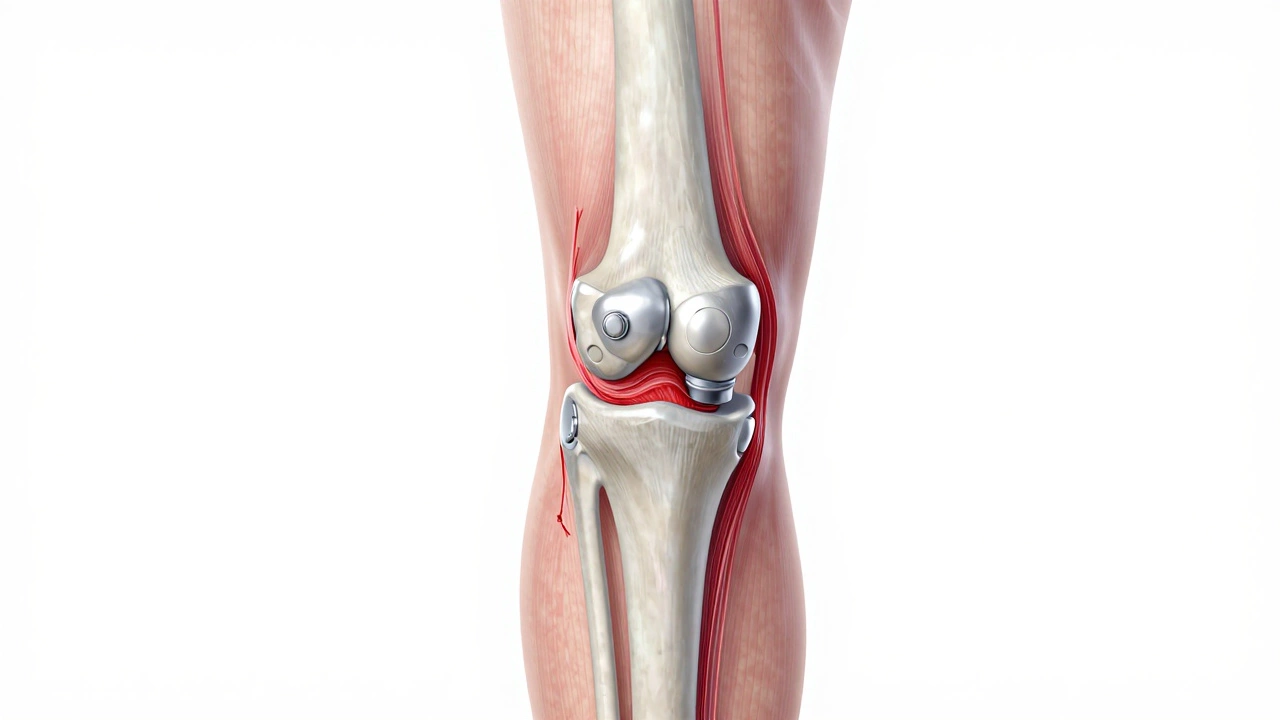
Before we jump into exercises, it helps to know why this happens. During a knee replacement surgery, surgeons remove damaged cartilage and bone and replace them with artificial components made of metal and plastic. While this fixes the arthritis, the healing process involves inflammation and the formation of scar tissue.
This scar tissue, or fibrosis, can tighten around the joint capsule, limiting how far you can bend or straighten your leg. Additionally, your quadriceps-the big muscle on the front of your thigh-often goes into "shutdown" mode after surgery. When these muscles don’t fire correctly, the knee lacks stability, making it feel stiff and unresponsive. Understanding that this is a physiological response, not a permanent failure, is the first step to fixing it.
| Cause | Why It Happens | Symptom |
|---|---|---|
| Scar Tissue Formation | Body’s natural healing response creates tight bands of tissue. | Inability to fully bend or straighten the leg. |
| Quadriceps Weakness | Muscles atrophy due to disuse and surgical trauma. | Knee buckles or feels unstable when walking. |
| Persistent Swelling | Fluid buildup inside the joint capsule restricts movement. | Tight, full feeling in the knee even when resting. |
| Pain Guarding | Subconscious muscle tightening to avoid pain signals. | Sudden stops during movement due to discomfort. |
The Golden Rule: Motion Is Lotion
The biggest mistake patients make is resting too much because they think it will help the pain. In reality, rest makes stiffness worse. Think of your knee joint like a rusty hinge. If you leave it closed, it rusts shut. If you move it gently and regularly, the lubrication spreads, and the rust loosens. This concept is often called "motion is lotion."
You need to move your knee through its full available range of motion multiple times a day. This doesn’t mean pushing through sharp pain. It means doing small, frequent movements that keep the joint fluid circulating. Aim for short bursts of activity rather than one long, exhausting session. For example, instead of trying to bend your knee for 30 minutes straight, do five minutes of bending every hour while awake.
Effective Exercises to Loosen a Stiff Knee
Here are three foundational exercises that target flexibility and strength. Perform these daily, unless your surgeon advises otherwise.
- Heel Slides: Lie on your back with your legs straight. Slowly slide the heel of your affected leg toward your buttocks, bending the knee as far as comfortable. Hold for 5 seconds, then slowly slide it back out. Repeat 10-15 times. This exercise directly targets flexion (bending).
- Quad Sets: Sit or lie with your leg straight. Place a small towel roll under your knee. Tighten the muscle on the top of your thigh by pressing the back of your knee down into the towel. Hold for 5-10 seconds, then relax. This reactivates the quadriceps without moving the joint, helping to reduce swelling and improve control.
- Seated Knee Extension: Sit in a sturdy chair with your feet flat on the floor. Slowly lift your foot off the ground until your leg is straight. Hold for 3-5 seconds, focusing on squeezing your thigh muscle. Lower it slowly. This helps with extension (straightening), which is crucial for a normal gait.
If you have access to a physical therapist, ask them to teach you continuous passive motion (CPM) machine usage if appropriate for your stage of recovery. These machines gently bend and straighten the knee for you, which can be helpful in the early weeks when active movement is painful.

Managing Pain and Swelling to Enable Movement
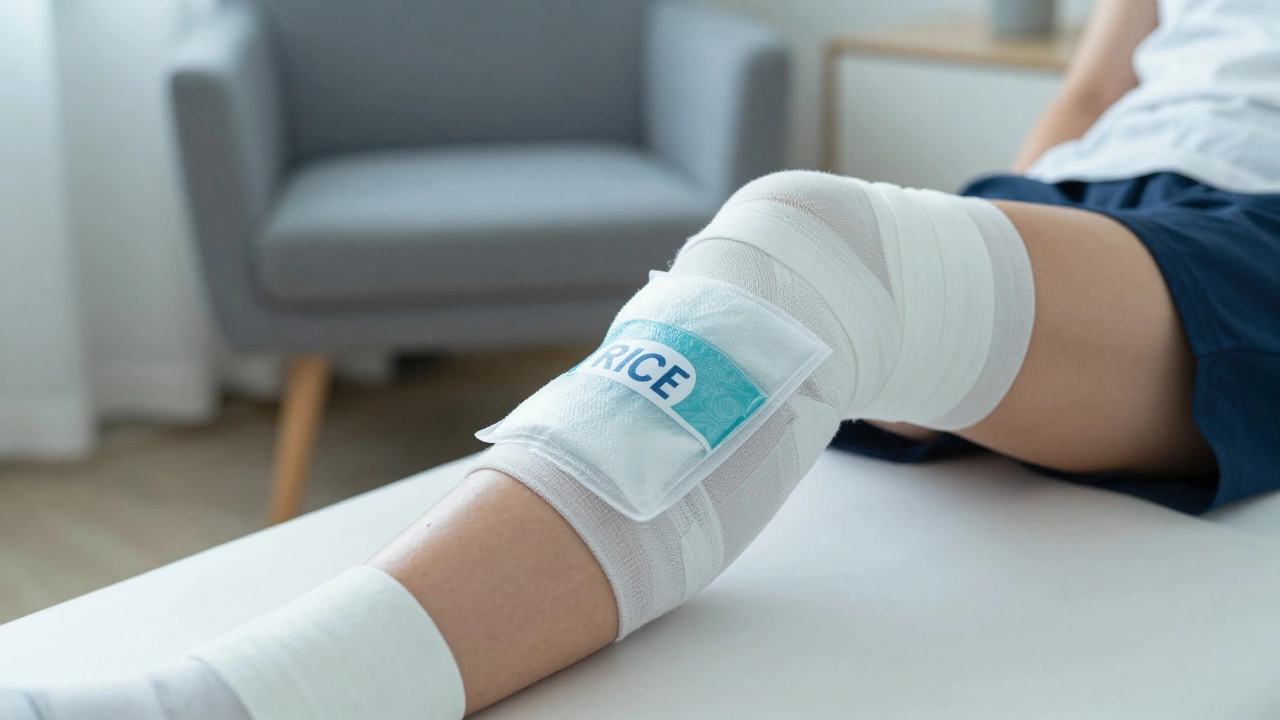
You cannot move a knee that is swollen and painful. Therefore, managing inflammation is part of loosening the joint. Use the RICE method wisely:
- Rest: Avoid high-impact activities, but do not immobilize the knee completely.
- Ice: Apply ice packs for 15-20 minutes after exercises. This reduces inflammation and numbs pain, allowing you to move more freely afterward.
- Compression: Wear your compression stocking or elastic bandage as directed. This prevents fluid from pooling in the joint.
- Elevation: Keep your leg raised above heart level when sitting or lying down. Prop it up on pillows so your ankle is higher than your knee, and your knee is higher than your hip.
Many patients find that taking prescribed anti-inflammatory medications before their physical therapy session helps them push a little harder and gain more range of motion. Always consult your doctor before adjusting medication schedules.
When to Worry: Red Flags vs. Normal Stiffness
It’s important to distinguish between normal post-op stiffness and complications. Some stiffness is expected for up to six months or even a year. However, certain symptoms require immediate medical attention:
- Sudden Increase in Pain: If your pain gets significantly worse despite rest and medication.
- Fever or Chills: A temperature over 100.4°F (38°C) could indicate an infection.
- Redness and Warmth: Excessive redness spreading from the incision site.
- Calf Pain or Swelling: This could signal a deep vein thrombosis (DVT), a blood clot in the leg.
- Inability to Straighten: If you lose the ability to fully straighten your leg (extension lag), contact your surgeon immediately, as this can lead to long-term gait issues.
The Role of Professional Physical Therapy
While home exercises are vital, professional guidance accelerates recovery. A licensed physical therapist can use manual therapy techniques to stretch the joint capsule and break up scar tissue. They might also use modalities like ultrasound or electrical stimulation to reduce pain and improve muscle activation.
In Bangalore and other major healthcare hubs, many clinics offer specialized post-knee replacement rehab programs. Don’t hesitate to seek a second opinion from a physiotherapist if you feel stuck. Sometimes, a slight adjustment in technique can unlock significant progress.
Maintaining Progress: Long-Term Strategies
Once you’ve regained your range of motion, the goal shifts to maintenance. Continue low-impact exercises like swimming, cycling, or walking. Avoid high-impact activities like running or jumping, which can wear down the artificial joint prematurely. Regular check-ups with your orthopedic surgeon ensure the implant remains stable and functional.
Remember, patience is key. Recovery is not linear. Some days will feel better than others. Stay consistent with your exercises, listen to your body, and celebrate small victories. That stiff knee will loosen up, and you’ll be walking comfortably again sooner than you think.
How long does it take for a stiff knee to loosen after replacement?
Most patients see significant improvement in range of motion within the first 3 to 6 months. However, some stiffness may persist for up to a year. Consistent physical therapy and adherence to exercise routines are critical factors in speeding up this process.
Can I bend my knee too much after surgery?
Generally, no. The artificial knee is designed to mimic natural movement. However, you should avoid extreme positions like kneeling deeply or squatting below 90 degrees initially, as this can strain the new joint and surrounding tissues. Follow your surgeon’s specific guidelines on flexion limits.
Is heat or ice better for a stiff knee?
Ice is generally recommended in the early stages (first few weeks) to reduce swelling and pain. Heat can be used later in recovery to relax tight muscles before stretching, but only if there is no significant swelling. Always check with your healthcare provider for personalized advice.
What causes a knee to lock up after replacement?
Locking can be caused by scar tissue (arthrofibrosis), loose bodies (small fragments of bone or plastic), or improper alignment of the implant. If your knee locks frequently, contact your surgeon immediately, as this may require intervention.
Can massage help with knee stiffness?
Yes, gentle massage around the knee (avoiding the incision site until fully healed) can help reduce muscle tension and improve circulation. However, it should complement, not replace, active range-of-motion exercises. Consult your physical therapist for proper techniques.