Ayurvedic Meal Frequency Planner
Your Profile
Select your profile and click "Get My Plan" to see your personalized Ayurvedic eating schedule.
Most of us have been told to eat three square meals a day. Breakfast, lunch, and dinner. It’s the standard script for modern life. But if you look at Ayurveda, the ancient Indian system of medicine that is over 5,000 years old, this rule doesn’t hold up. In fact, it might be working against your health.
The core question isn't just about counting plates. It’s about respecting your body’s natural rhythms. So, how many times should you actually eat? The short answer from an Ayurvedic perspective is: ideally once or twice a day, with the largest meal eaten at midday when your digestion is strongest. Let’s break down why this works and how you can adapt it without feeling hungry or sluggish.
The Core Principle: Digestive Fire (Agni)
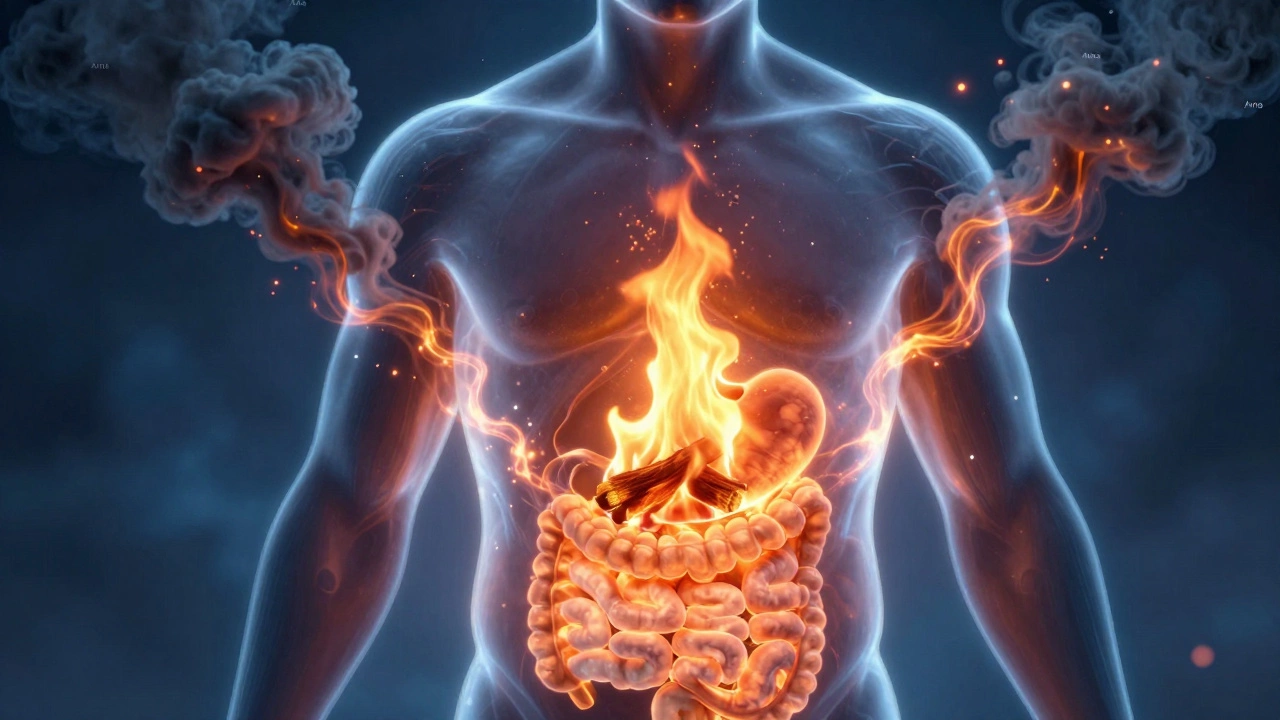
To understand meal frequency in Ayurveda, you first need to understand Agni, or digestive fire. Think of Agni as a campfire in your stomach. If the fire is roaring, it burns food completely, turning it into energy and healthy tissue. If the fire is weak, food sits there, fermenting and creating toxins known as Ama.
Modern habits often drown this fire. We graze all day long. We snack between meals. We drink ice-cold water with our food. Every time we introduce new food before the previous meal is fully digested, we stifle the fire. It’s like throwing wet logs on a dying ember. The result? Bloating, fatigue, weight gain, and brain fog.
Ayurveda teaches that you should only eat when your Agni is strong. This leads to a specific recommendation for meal timing that differs sharply from Western norms.
The Ideal Routine: One Main Meal, One Light Meal
For most people with a sedentary lifestyle and average digestion, Ayurveda recommends two meals a day:
- Lunch (Prasadahara): This is your main meal. It should be eaten between 12:00 PM and 1:00 PM. At this time, the sun is at its peak, and so is your digestive fire. Your body has the energy to process heavy foods like grains, legumes, and cooked vegetables.
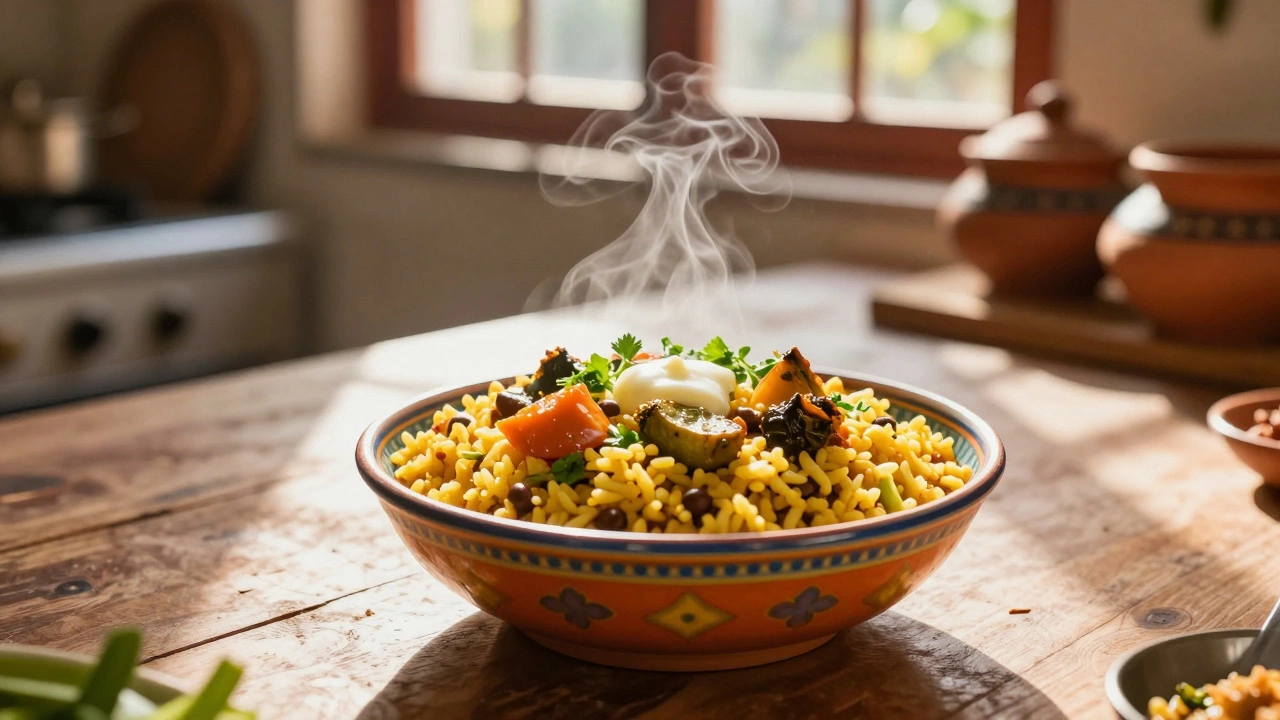
- Dinner (Laghu Ahara): This should be light and eaten early, ideally before 7:00 PM. After sunset, your digestive fire naturally dims. Eating a heavy meal now forces your body to work overtime during a time meant for rest. Stick to soups, khichdi (a rice and lentil dish), or steamed vegetables.
What about breakfast? Traditional Ayurveda suggests skipping a heavy breakfast. Instead, start your day with warm water or herbal tea to kindle the fire. If you are very active or have a strong constitution (Pitta or Kapha dosha), you might have a small, light breakfast like soaked nuts or fruit. However, for Vata types or those with weak digestion, skipping breakfast allows the digestive system to clear out any leftover waste from the night before.
Why Midday is the Golden Window
You might wonder why lunch gets the spotlight. It comes down to circadian biology, which aligns surprisingly well with Ayurvedic wisdom. During the middle of the day, your metabolism is highest. Your body produces more digestive enzymes. Blood flow to the gut is optimized.
Eating your largest meal here means you get the most nutrients from your food. It also prevents the afternoon slump. When you eat a heavy dinner instead, your body diverts blood away from the brain to the stomach, leading to poor sleep and grogginess the next morning.
Imagine trying to run a marathon immediately after a big feast versus after a light snack. The difference in performance is stark. Your body operates similarly with digestion.
Exceptions: Who Needs Three Meals?
Ayurveda is not rigid; it is personalized. Not everyone fits the "one main meal" mold. Here is who might need to adjust:
| Body Type / Context | Recommended Meals | Key Considerations |
|---|---|---|
| Vata Dosha (Lean, anxious, irregular) | 3 small, warm meals | Vata needs routine. Skipping meals can cause anxiety and bloating. Keep meals light but frequent. |
| Pitta Dosha (Medium build, intense, hot) | 2 substantial meals | Pitta has strong digestion. A large lunch satisfies them. Avoid spicy/heavy dinners. |
| Kapha Dosha (Heavy, calm, slow) | 1 main meal + light snack | Kapha has slow digestion. Fasting helps reduce weight and congestion. Skip breakfast if possible. |
| High Physical Labor/Athletes | 3 meals + snacks | High activity burns fuel fast. You need more input. Ensure meals are nutrient-dense, not junk. |
| Pregnancy/Lactation | 3-4 small meals | The body needs constant nourishment for growth. Listen to hunger cues closely. |
If you fall into the Vata category or have a demanding job that requires physical exertion, forcing yourself to eat once a day might lead to weakness. In these cases, three smaller, balanced meals are better than one massive feast.
The Danger of Snacking and Grazing
One of the biggest enemies of good digestion is grazing. In Ayurveda, this is called Visamabhaksya-eating incompatible foods or eating at irregular intervals. When you snack every two hours, you never give your gut a break. The digestive organs are muscles; they need rest cycles to repair and reset.
Here is how to stop the snacking cycle:
- Drink Warm Water: When you feel a craving, drink a cup of warm water with lemon. Often, thirst mimics hunger.
- Wait 90 Minutes: After a meal, wait at least 90 minutes before eating again. This allows the initial wave of digestion to settle.
- Identify True Hunger: Ask yourself: "If I was offered an apple right now, would I eat it?" If yes, you’re hungry. If no, you’re bored or stressed.
By eliminating unnecessary snacks, you allow your Agni to burn brightly. You’ll likely find that you don’t actually need three full meals plus snacks to survive.

How to Transition to an Ayurvedic Eating Pattern
Switching from three meals to one or two can be shocking to the system. Don’t jump in cold turkey. Start by shifting your largest meal to lunch. For the first week, keep dinner light. Then, try skipping breakfast for a few days. Observe how you feel.
Listen to your body. If you feel dizzy, irritable, or weak, you may need to add a small, nutritious snack like a handful of almonds or a piece of fruit. Ayurveda is about balance, not starvation. The goal is to support your digestion, not starve your cells.
Remember, consistency matters more than perfection. Try to eat at the same times each day. This regulates your biological clock and strengthens your digestive fire over time.
Frequently Asked Questions
Is it healthy to skip breakfast according to Ayurveda?
Yes, for many people, skipping breakfast is beneficial. Ayurveda considers the morning time (Brahma Muhurta) best for cleansing and meditation, not heavy digestion. If you wake up without hunger, listen to your body. Drink warm water instead. However, if you have a Vata constitution or high energy expenditure, a light breakfast like soaked nuts or warm porridge is recommended.
What should I eat for my main Ayurvedic meal?
Your main meal, eaten at lunch, should include all six tastes: sweet, sour, salty, bitter, pungent, and astringent. A classic example is a bowl of cooked grains (like brown rice or quinoa), a portion of mung dal or other legumes, seasonal cooked vegetables, and a small amount of ghee. This combination provides sustained energy and balances the doshas.
Can I still lose weight by eating once a day?
Eating one main meal a day can aid weight loss by reducing overall calorie intake and improving metabolic efficiency. However, the quality of the meal matters. If your one meal is processed and unhealthy, you will not see benefits. Focus on whole, unprocessed foods. Additionally, ensure you are getting enough protein and fats to maintain muscle mass.
Why is dinner supposed to be light in Ayurveda?
At night, the body’s digestive fire (Agni) naturally decreases as energy shifts toward rest and repair. Eating a heavy dinner forces the body to divert energy from healing processes to digestion. This can lead to poor sleep, toxin accumulation (Ama), and weight gain. A light dinner ensures deep, restorative sleep.
How do I know if my digestion is weak?
Signs of weak digestion include bloating after meals, gas, irregular bowel movements, fatigue after eating, and bad breath. If you experience these symptoms frequently, your Agni is low. Focus on warming spices like ginger and cumin, eat cooked rather than raw foods, and avoid drinking large amounts of fluids during meals.