Dental Implant Healing Timeline Estimator
Use this tool to estimate how long it will take for your body to accept a new dental implant. Adjust the options below to see how specific procedures and lifestyle choices impact your recovery schedule.
Your Procedure & Health Profile
Select your options and click Calculate to view your estimated healing journey.
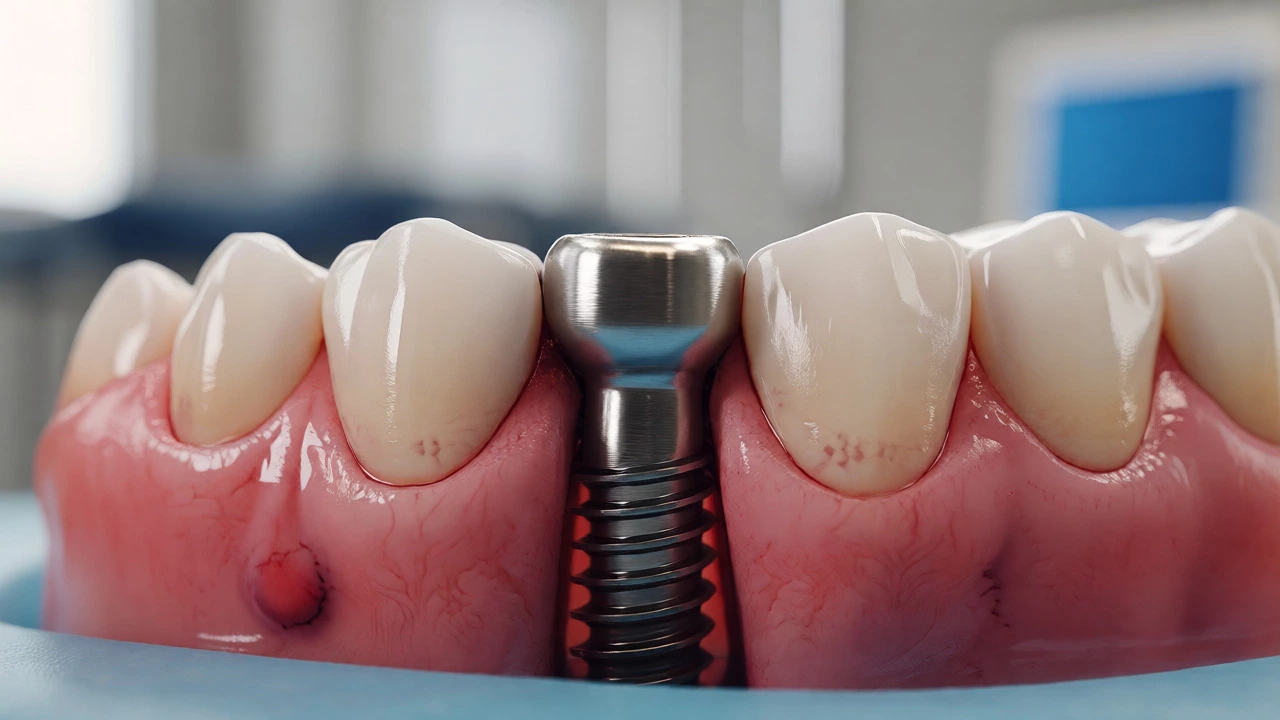
You walk out of the dentist’s office with a new tooth, or at least the metal post that will become one. It feels solid. It looks real. But here is the uncomfortable truth: your body hasn’t actually accepted it yet. The screw is just sitting there, waiting for your jawbone to decide if it wants to keep it or spit it out. This biological handshake is called osseointegration, and it is the single most critical factor in whether your investment lasts five years or fifty.
So, how long does this acceptance take? For most people, the magic window is between three and six months. But that number is a massive oversimplification. If you have dense bone, no smoking habits, and excellent oral hygiene, you might be on the faster end. If you needed a bone graft because your jaw had shrunk away from missing teeth, you could be looking at nine months or more before you can chew an apple without fear.
The Biology Behind the Bond
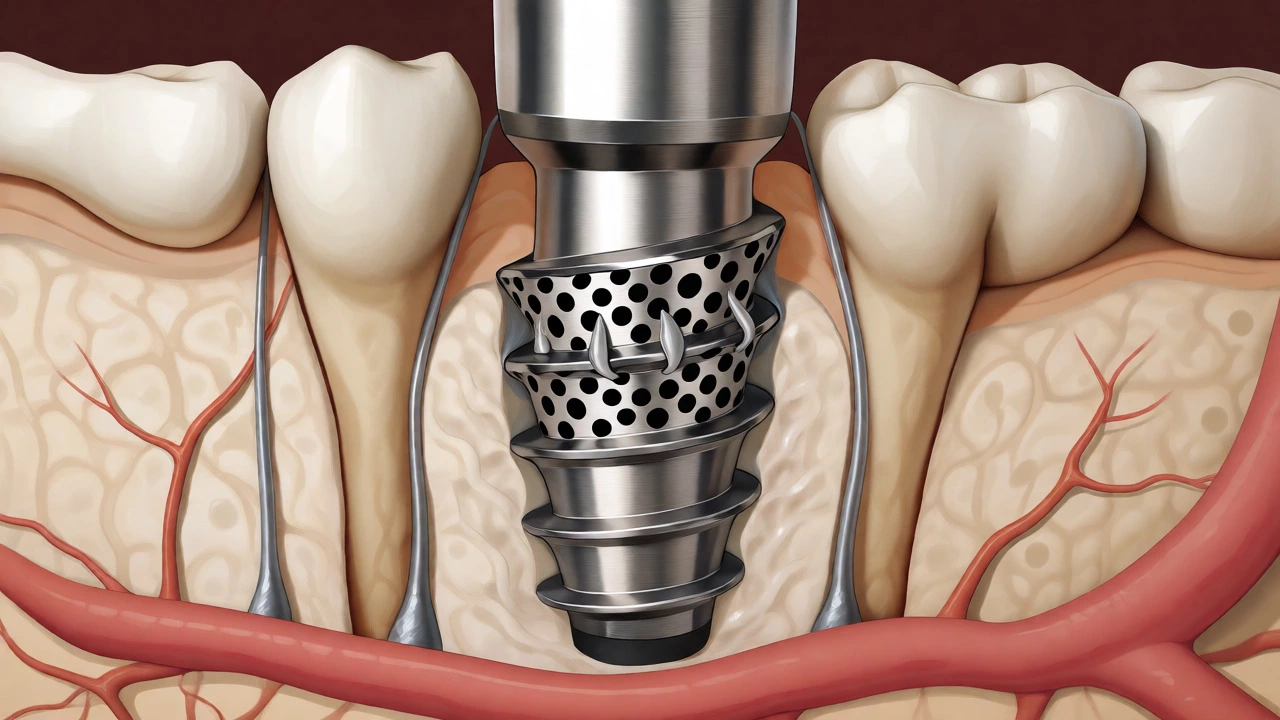
To understand the timeline, you need to know what is happening inside your gum line. When a surgeon places a titanium post into your jaw, they aren’t gluing it in place. They are creating a controlled injury. Your body responds by sending blood cells to the site, forming a clot, and then triggering osteoblasts-specialized bone-building cells-to grow directly onto the surface of the titanium. This isn’t like cement drying; it’s living tissue fusing with metal.
This process requires stability. If the implant wiggles even slightly during these early weeks, fibrous tissue forms instead of bone. Fibrous tissue is soft and spongy. It won’t hold a crown. That is why dentists are so strict about not biting down hard on temporary caps during the healing phase. You are essentially protecting a fragile construction site while the foundation sets.
Stage 1: The Immediate Post-Op Phase (Days 1-7)
The first week is all about managing inflammation. You will likely experience swelling, bruising, and some discomfort. This is normal. Your body is cleaning up debris and starting the repair crew. During this time, the implant is held in place purely by mechanical friction-it is screwed tightly into the bone, but no biological bond exists yet.
- Day 1-3: Peak swelling. Ice packs help. Stick to cold, soft foods like yogurt or smoothies.
- Day 4-7: Swelling subsides. Sutures may be removed if non-dissolvable ones were used.
- Risk Factor: Dry socket or infection. Keeping the mouth clean without disturbing the surgical site is tricky but vital.
If you smoke, this is where things get dangerous. Nicotine constricts blood vessels, starving the surgical site of the oxygen and nutrients needed for bone growth. Smokers have a significantly higher failure rate in the first few weeks because their bodies simply cannot mount an efficient healing response.
Stage 2: Early Integration (Weeks 2-8)
Once the gums heal over the top of the implant, the real work begins. The bone starts remodeling around the threads of the screw. You won’t feel much during this stage, which is good. It means the process is going smoothly. However, you must treat the area gently. No chewing on that side. No poking it with your tongue.
Dentists often use a temporary crown or abutment during this phase. Sometimes, this temporary tooth is placed immediately after surgery (immediate loading), but it is usually designed to float slightly above the bite so it doesn’t touch when you close your mouth. Why? Because any pressure transfers force to the implant, disrupting the delicate bone formation. Think of it like setting concrete-you don’t drive on it until it has cured.
Stage 3: Full Osseointegration (Months 3-6)
This is the finish line for standard cases. By month three, enough bone has grown into the implant’s porous surface to lock it in place. Dentists check stability using tools like resonance frequency analysis devices (such as Osstell) or simple percussion tests. If the implant rings clear and tight, it’s integrated. If it sounds dull or moves, it’s not ready.
At this point, your dentist will uncover the implant (if it was buried under the gum) and attach a healing abutment. This small connector pokes through the gum to shape the tissue for the final crown. It takes another two to four weeks for the gum to heal around this connector, creating a natural-looking emergence profile.
When Timelines Stretch: Bone Grafts and Sinus Lifts
Not everyone starts with a healthy foundation. If you’ve been missing teeth for years, your jawbone likely resorbed-meaning it shrank. To place an implant, surgeons often need to add volume back in using bone graft material. This adds significant time to the equation.
| Procedure Type | Initial Healing | Osseointegration | Total Time to Final Crown |
|---|---|---|---|
| Standard Single Implant | 1-2 Weeks | 3-4 Months | 4-5 Months |
| Implant with Minor Bone Graft | 2-3 Weeks | 4-6 Months | 6-7 Months |
| Sinus Lift + Implant | 2-4 Weeks | 6-9 Months | 9-12 Months |
| Immediate Load (All-on-4) | 1 Week | 3-6 Months | Temporary Teeth Day 1 |
A sinus lift, common for upper back teeth, involves lifting the membrane lining the maxillary sinus and packing bone underneath. This creates a new floor for the implant. The grafted bone needs time to mature and turn into native bone. Rushing this step leads to implant failure. Patience here pays off in longevity.
Factors That Speed Up or Slow Down Acceptance
Your biology dictates the clock. Age plays a role, though surprisingly less than many think. A healthy 70-year-old can integrate implants just as well as a 30-year-old. The real culprits for delays are systemic health issues and lifestyle choices.
Diabetes is a major player. Poorly controlled blood sugar impairs circulation and immune response, slowing bone turnover. If your HbA1c levels are high, your dentist may delay implant placement until your glucose is stable. Similarly, medications like bisphosphonates (used for osteoporosis) can affect bone remodeling, requiring careful evaluation before surgery.
Oral hygiene is non-negotiable. Plaque buildup around the healing abutment causes peri-implant mucositis-an inflammation of the soft tissue. If untreated, it progresses to peri-implantitis, where bone loss occurs around the implant. It’s like periodontal disease but harder to reverse. Flossing daily and using interdental brushes keeps the environment sterile enough for bone to thrive.
Signs Your Body Is Rejecting the Implant
Rejection is rare if the initial integration works, but late failures happen. Watch for these red flags:
- Mobility: If the implant feels loose when pressed, the bond has broken.
- Pain: Sharp pain upon biting or touching the area after full healing.
- Gum Recession: Exposed metal threads indicate bone loss.
- Infection: Persistent pus or bad taste that doesn’t go away with cleaning.
If you notice mobility, see your dentist immediately. Sometimes, catching it early allows for intervention, such as debridement and antibiotics, though often the implant must be removed and replaced after the site heals.
FAQs About Dental Implant Healing
Can I eat normally right after getting a dental implant?
No. For the first few weeks, stick to soft foods. Avoid chewing directly on the implant site. Hard, crunchy, or sticky foods can dislodge the blood clot or disrupt early bone formation. Gradually reintroduce harder foods only after your dentist confirms integration.
Why do upper jaw implants take longer to heal than lower jaw implants?
The bone density differs. The lower jaw (mandible) typically has denser cortical bone, which provides better primary stability and faster healing. The upper jaw (maxilla) has softer, cancellous bone with more air spaces, especially near the sinuses. This looser structure requires more time for the bone to remodel and grip the implant securely.
Does smoking really prevent osseointegration?
Yes, significantly. Smoking reduces blood flow to the gums and jawbone, depriving healing tissues of oxygen. Studies show smokers have twice the risk of implant failure compared to non-smokers. Many dentists require patients to quit smoking for at least two weeks before and several weeks after surgery to ensure success.
What happens if the implant fails to integrate?
If osseointegration fails, the implant becomes loose and must be removed. The site is cleaned, and a bone graft may be placed to restore volume. After a healing period of 3-6 months, a new implant can usually be placed successfully. Failure rates are generally low, around 5-10%, depending on patient health and surgical technique.
How soon can I get my permanent crown after the implant is placed?
Typically 3 to 6 months after implant placement, assuming successful osseointegration. Once the bone has fused with the titanium post, the dentist attaches an abutment and takes impressions for the custom crown. The fabrication of the crown itself takes another 2-3 weeks, so plan for a total timeline of roughly 4-7 months from start to finish for standard cases.
Next Steps for a Smooth Recovery
Don’t let the timeline scare you. Millions of people undergo this procedure annually with high success rates. The key is trust in your provider and discipline in your care routine. Follow the post-op instructions religiously. Use the prescribed antimicrobial rinses. Attend every follow-up appointment so your dentist can monitor radiographic changes.
If you are considering implants, ask your dentist about their protocol for assessing stability. Do they use torque tests or resonance frequency analysis? Knowing how they measure "acceptance" gives you confidence in the process. Remember, this is a marathon, not a sprint. The extra weeks of waiting buy you decades of confident smiles.