
Indian Online Prescription & Medicine Accessibility Checker
Determine if you can get your medication online in India via telemedicine or if a physical visit is required.
It’s 2 AM. You’ve been woken up by an allergic reaction, or maybe you just ran out of your daily medication for high blood pressure. The nearest clinic is closed, and the idea of waiting in line at a hospital feels exhausting. So, you do what millions of people are doing today: you search online to see if you can get that prescription delivered to your door without ever stepping into a doctor’s office.
The short answer is yes, but it’s not as simple as buying a t-shirt from Amazon. In 2026, the landscape of healthcare in India has shifted dramatically. With the widespread adoption of Telemedicine, getting a script without physically seeing a doctor is legal, safe, and often faster than traditional methods. However, there are strict rules about which medicines you can get this way and which ones require a physical examination.
How Telemedicine Changed the Game
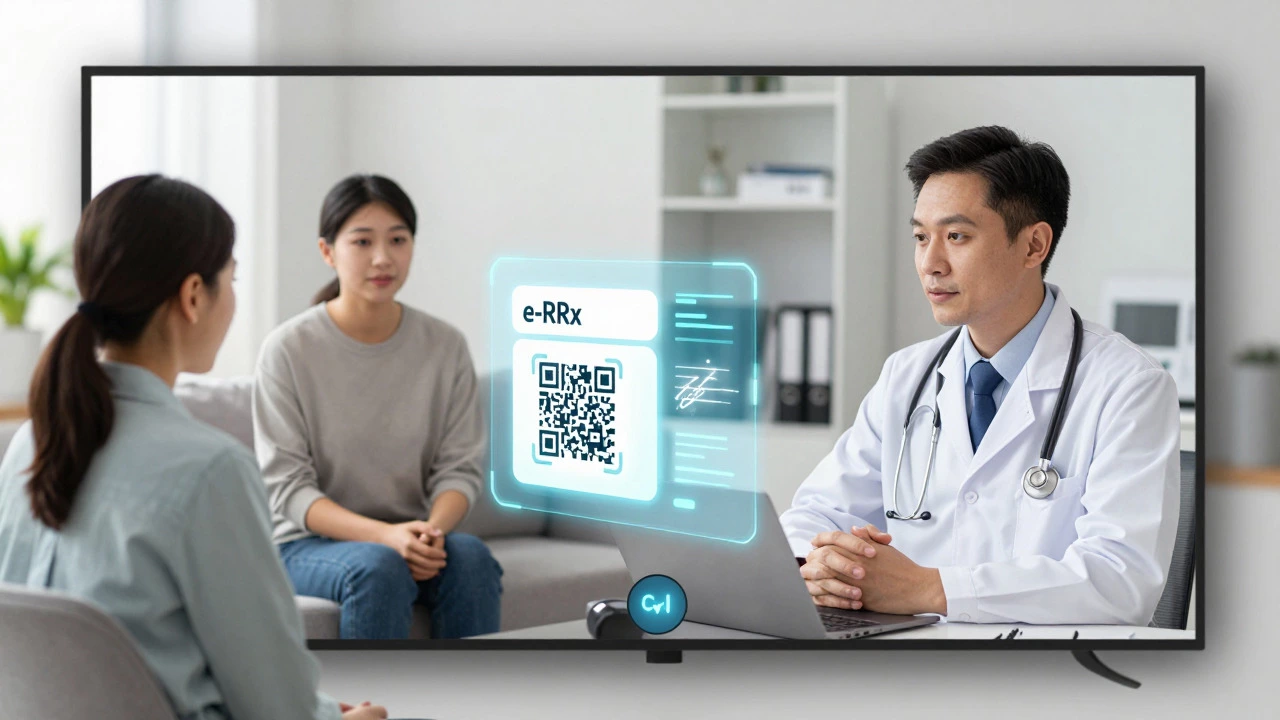
To understand how you can get a prescription online, we first need to look at Digital Health Consultation. This isn't new technology, but its regulation has matured. Under the Digital Information Security in Healthcare Act (DISHA) and updated Clinical Establishments guidelines, licensed doctors in India can now prescribe medication after a virtual consultation via video call, audio call, or even structured text chat.
This means you don’t need to "see" a doctor in the physical sense. You still need to consult one. The key difference is the medium. When you use a reputable Online Pharmacy Platform like Tata 1mg, PharmEasy, or Netmeds, they don’t just sell pills; they facilitate a connection between you and a registered medical practitioner.
Here is the workflow:
- You upload your previous prescription or describe your symptoms.
- A licensed doctor reviews your case digitally.
- If appropriate, they issue an e-prescription (e-Rx).
- The pharmacy verifies the e-Rx and dispatches the medicine.
This process satisfies the legal requirement of having a valid prescription while removing the friction of travel and wait times.
Which Medicines Can You Get Without a Physical Visit?
Not all drugs are created equal when it comes to online access. The Indian government categorizes medicines based on their risk profile. Understanding these categories is crucial to knowing what you can order tonight versus what requires a hospital visit.
| Category | Examples | Can You Get It Online? | Requirements |
|---|---|---|---|
| OTC (Over-the-Counter) | Painkillers (Paracetamol), Antacids, Vitamins, Basic First Aid | Yes, easily | No prescription needed. Direct purchase. |
| Schedule H (Prescription Only) | Antibiotics, Blood Pressure meds, Diabetes drugs, Asthma inhalers | Yes, with e-Prescription | Requires a valid e-Rx from a licensed doctor via teleconsultation. |
| Schedule X (Narcotic/Psychotropic) | Morphine, Diazepam, Clonazepam, Codeine | Very Restricted | Usually requires physical prescription and strict record-keeping. Rarely available via standard online delivery. |
For most chronic conditions like hypertension or type 2 diabetes, where your dosage is stable, a teleconsultation is sufficient. The doctor will ask for your recent reports (like HbA1c or BP logs) to ensure your current dose is still safe. If your condition is acute-like severe chest pain or high fever with confusion-you should skip the app and go to the ER.
The Role of E-Prescriptions (e-Rx)
The backbone of this system is the Electronic Prescription, commonly known as e-Rx. In the past, prescriptions were paper-based, prone to forgery, and hard to store. Today, an e-Rx is a digitally signed document that holds the same legal weight as a handwritten note.
When you consult a doctor through an approved platform, the e-Rx is generated instantly. It contains:
- Your patient details and unique ID.
- The doctor’s registration number with the State Medical Council.
- The specific drug names, dosages, and duration.
- A digital signature or QR code for verification.
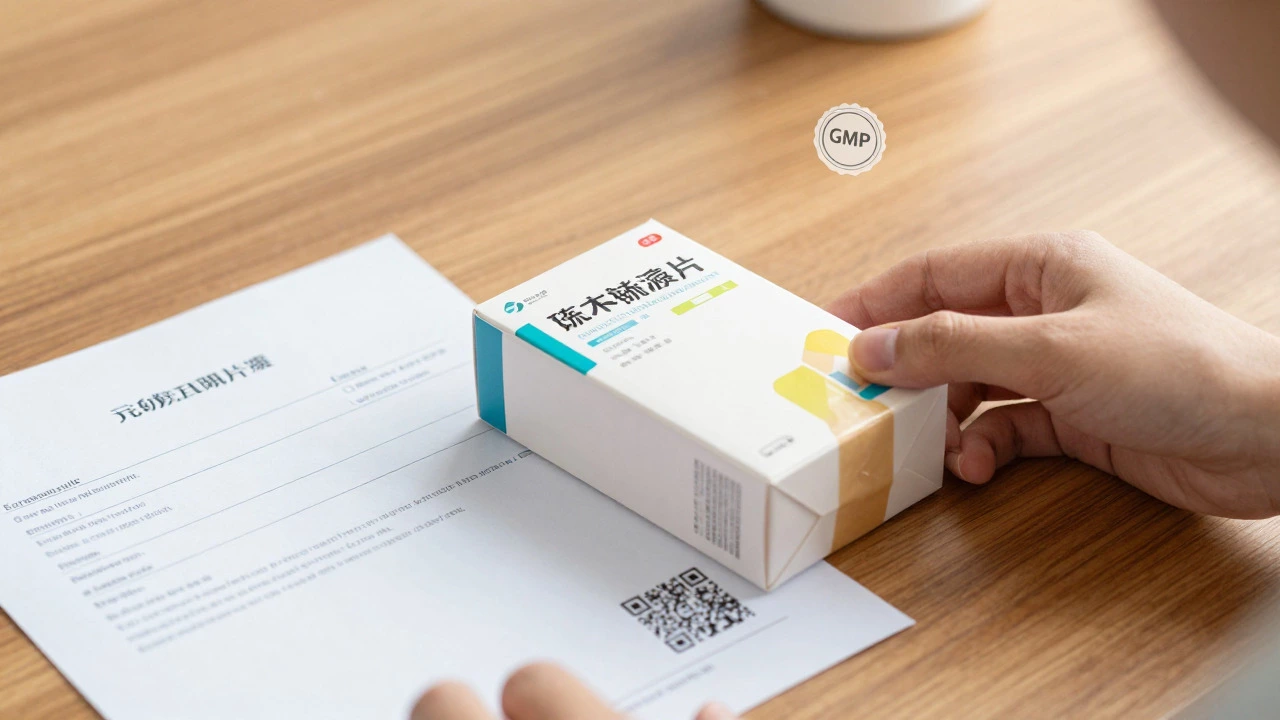
This QR code is vital. Pharmacists at online stores scan it to verify authenticity before dispensing Schedule H drugs. This prevents self-medication errors and ensures that only genuine prescriptions lead to sales. If you try to bypass this step by uploading a fake prescription, AI-driven verification systems on major platforms will likely flag and reject it.
Is It Safe? Checking Your Online Pharmacy
With the rise of convenience comes the risk of fraud. Not every website selling medicine is legitimate. To ensure you aren’t buying counterfeit drugs or consulting unqualified practitioners, you must vet the platform.
Look for these credentials:
- GMP Certification: Good Manufacturing Practices ensure the drugs are stored and handled correctly.
- FSSAI License: For any dietary supplements or Ayurvedic products sold alongside allopathic medicines.
- Drug License: A valid license from the local municipal corporation or state drug controller.
- Verified Doctors: The platform should display the doctor’s name, photo, and medical council registration number clearly.
In Bangalore, where tech-savvy patients are abundant, platforms like Apollo 24/7 and Practo have integrated deeply with local hospitals. They often sync with your existing electronic health records (EHR). This means if you saw a cardiologist in Indiranagar last month, the tele-doctor can access those notes (with your consent) to make an informed decision. This continuity of care is what separates safe telemedicine from risky self-diagnosis.
When You Absolutely Need to See a Doctor In-Person
Despite the convenience, telemedicine has limits. There are scenarios where a digital script is insufficient or dangerous.
If you are experiencing symptoms that require physical examination-such as abdominal tenderness, rashes that need visual inspection under specific light, or neurological deficits-a screen won’t cut it. Additionally, certain procedures like injections, IV drips, or complex wound dressing cannot be managed remotely.
Also, consider the psychological aspect. Some patients feel more comfortable discussing sensitive issues face-to-face. While many telemedicine apps offer privacy features, the human element of a physical clinic remains irreplaceable for some.
Steps to Get Your Medicine Delivered Today
If you decide to proceed with an online consultation, here is the safest path to follow:
- Choose a Reputable App: Stick to well-known platforms with high user ratings and transparent pricing.
- Prepare Your History: Have your previous prescriptions, lab reports, and a list of current medications ready. Photos of these documents work best.
- Select a Specialist: Don’t just pick the cheapest doctor. Choose one who specializes in your condition (e.g., a dermatologist for skin issues, not a general physician).
- Be Honest: During the consultation, disclose all symptoms, even minor ones. Misleading the doctor can lead to incorrect prescriptions.
- Review the e-Rx: Before paying, check the digital prescription for accuracy. Ensure the dosage matches your needs.
- Track Delivery: Most services offer real-time tracking. For cold-chain medicines (like insulin), ensure the packaging includes ice packs or coolants.
Cost and Convenience Factors
One major advantage of online pharmacies is price transparency. Physical pharmacies often mark up prices due to rent and staff costs. Online platforms, operating with lower overheads, frequently offer discounts ranging from 5% to 30% on branded generics. Additionally, subscription models for chronic disease management allow you to auto-reorder medicines monthly, ensuring you never run out.
However, factor in the consultation fee. While some platforms waive this for repeat orders, initial teleconsultations may cost between ₹200 to ₹500. Compare this against the cost of transport and time lost visiting a clinic, and the savings become clear.
Future of Digital Prescriptions in India
As we move further into 2026, the integration of Artificial Intelligence in triage is becoming common. Apps now use AI chatbots to assess urgency before connecting you to a human doctor. This reduces wait times and ensures that emergencies are flagged immediately.
Furthermore, the National Digital Health Mission (NDHM) aims to create a unified health ID for every citizen. Soon, your prescription history will be securely stored in the cloud, accessible by any authorized doctor across India. This will eliminate the need to carry old papers entirely.
So, can you get a script without seeing a doctor? Yes, provided you engage in a proper digital consultation. It’s not about avoiding medical advice; it’s about accessing it smarter. By leveraging telemedicine and verified online pharmacies, you take control of your health journey without sacrificing safety or legality.
Do I need a prescription for antibiotics online?
Yes. Antibiotics fall under Schedule H in India. You cannot buy them directly without a prescription. However, you can obtain a valid e-prescription through a telemedicine consultation with a licensed doctor on reputable platforms like Tata 1mg or PharmEasy.
Are online prescriptions legally valid in India?
Yes, e-prescriptions issued by registered medical practitioners via approved telemedicine platforms are legally valid under the Indian Medical Council regulations and the Digital Information Security in Healthcare Act (DISHA).
Can I buy psychiatric medications online without a visit?
Many psychotropic drugs are Schedule H or H1, requiring a prescription. While you can consult a psychiatrist online for refills, new diagnoses usually require thorough evaluation. Some strong sedatives (Schedule X) may still require physical prescriptions depending on state laws.
How do I know if an online pharmacy is genuine?
Check for GMP certification, FSSAI licenses (for supplements), and a visible Drug License number. Legitimate sites also display the registration numbers of their associated doctors and offer secure payment gateways.
What happens if my online prescription is rejected?
If a pharmacist rejects an e-Rx, it’s usually due to clarity issues, expired validity, or mismatched patient details. You will typically be prompted to re-upload the document or schedule a quick follow-up with the prescribing doctor to clarify.
Is telemedicine covered by insurance?
Increasingly, yes. Many health insurance providers in India now cover teleconsultation fees and medicines prescribed through certified digital health platforms. Check your policy’s 'telemedicine' clause for specific coverage details.