
Post-Knee Surgery Driving Readiness Checker
This tool helps you evaluate if you are likely ready to drive based on general medical guidelines. Always consult your surgeon before making this decision.
Your Status
Awaiting Input
Please select your options and click 'Check My Readiness' to see your estimated status.
You’re sitting in your living room, two weeks post-op, staring at your car keys on the counter. The pain is manageable, you can walk to the mailbox, and you feel ready to reclaim some independence. But a nagging question stops you cold: can I drive 2 weeks after knee surgery? It’s a common dilemma, but the answer isn’t a simple yes or no. It depends entirely on which knee was operated on, what type of anesthesia you had, and how well your muscles are cooperating with your brain.
For most people undergoing total knee replacement (TKR), jumping behind the wheel at the 14-day mark is risky. While some surgeons give the green light for right-knee cases around this time if the patient is off strong painkillers, left-knee replacements usually require waiting until week four or six. Why the difference? It comes down to reaction time and muscle control. If you can’t slam the brakes instantly without hesitation, you aren’t ready. This guide breaks down exactly what needs to happen before you touch that steering wheel, so you don’t end up back in the hospital-or worse, in an accident.
The Critical Difference Between Left and Right Knee Surgery
Your body doesn’t treat both legs equally when it comes to driving mechanics. In countries like India and the US, cars have the accelerator and brake pedals on the right side. This creates a massive disparity in recovery timelines depending on which joint was replaced.
If you had Right Knee Replacement, you are operating the primary controls-the gas and brake-with the surgical leg. Every time you press the pedal, you engage the quadriceps and hamstrings that were just cut, drilled, and re-aligned during surgery. Two weeks post-op, these muscles are often still weak, swollen, and prone to spasms. Trying to modulate pressure on the gas pedal with a healing right leg can lead to jerky acceleration or delayed braking. Most orthopedic surgeons advise waiting at least 4 to 6 weeks for right-side procedures because safety margins are razor-thin.
Conversely, if you had a Left Knee Replacement, the situation is different. Your left foot typically rests on the dead pedal or floor while the right foot handles all driving duties. Since the surgical site isn’t directly involved in vehicle control, many patients feel confident enough to drive earlier. However, "confident" doesn't mean "safe." You still need full range of motion in the left knee to pivot quickly in case of an emergency, and you must be able to brace yourself against the door or seat if you need to stop suddenly.
| Surgical Site | Typical Earliest Driving Date | Key Constraint | Risk Level at 2 Weeks |
|---|---|---|---|
| Right Knee | 4-6 Weeks | Reaction time & pedal control | High |
| Left Knee | 2-4 Weeks | Pivoting ability & bracing strength | Moderate |
| Bilateral (Both) | 6+ Weeks | Overall mobility & balance | Very High |
Why Pain Medication Is a Dealbreaker
Let’s talk about the elephant in the room: opioids. If you are still taking prescription painkillers like Tramadol, Oxycodone, or Codeine, you absolutely cannot drive. Period. These medications slow down your central nervous system, impairing judgment and reaction times similarly to alcohol. Studies suggest that even low doses of opioids can double your reaction time. Imagine needing to stop for a pedestrian who steps out unexpectedly; if your foot hits the brake half a second later than usual, that’s several extra feet of travel distance. At city speeds, those few feet determine whether you tap the bumper or cause a collision.
Two weeks post-op is often the transition point where patients try to wean off narcotics onto non-steroidal anti-inflammatory drugs (NSAIDs) like Ibuprofen or Acetaminophen. These alternatives are generally safer for driving, provided they don’t make you drowsy. Always check the label. Some combination pain relievers contain antihistamines or other sedatives that fog your mind. Before you consider getting into the driver’s seat, ensure you have been completely off narcotic pain meds for at least 24 hours.
Physical Tests You Must Pass Before Turning the Key
Time on the calendar is less important than functional capability. Your surgeon might clear you based on dates, but you need to pass practical tests first. Here are three critical benchmarks to assess your readiness:
- The Emergency Stop Test: Sit in a parked car. Simulate slamming the brake pedal as hard as possible. Can you do this instantly without wincing or hesitating? If pain causes you to flinch or lift your foot, you won’t react fast enough in real traffic.
- The Pivot Check: Stand up and turn your torso to look over your shoulder. Then, simulate checking your blind spot while seated. Does your knee lock up or hurt sharply? Driving requires constant head and body movement to monitor mirrors and surroundings.
- The Endurance Trial: Can you sit comfortably in a static position for 30 minutes without significant swelling or stiffness? Long commutes can exacerbate post-surgical edema, leading to numbness or loss of sensation in the foot.
If you fail any of these, stay home. There is no shame in using a taxi, Uber, or having a family member drive you. Pushing too early risks falls or accidents that could compromise your surgical outcome.
Insurance and Legal Implications
Here is something many patients overlook: insurance coverage. In many jurisdictions, including parts of India and the US, driving while impaired by medication or lacking medical clearance can void your auto insurance policy in the event of an accident. If you crash two weeks after surgery while still on strong painkillers, the insurer may argue you were not medically fit to operate the vehicle. This leaves you personally liable for damages.
Furthermore, standard medical advice often states that you should wait until you can perform an emergency stop from 50 km/h (approx. 30 mph) safely. If you get pulled over shortly after surgery and exhibit signs of impairment-such as slurred speech from meds or difficulty walking to the window-you could face legal penalties similar to DUIs. Always keep your discharge summary handy, noting the date of surgery and the prescribed activity restrictions, just in case questions arise.
Tips for Your First Drive Back
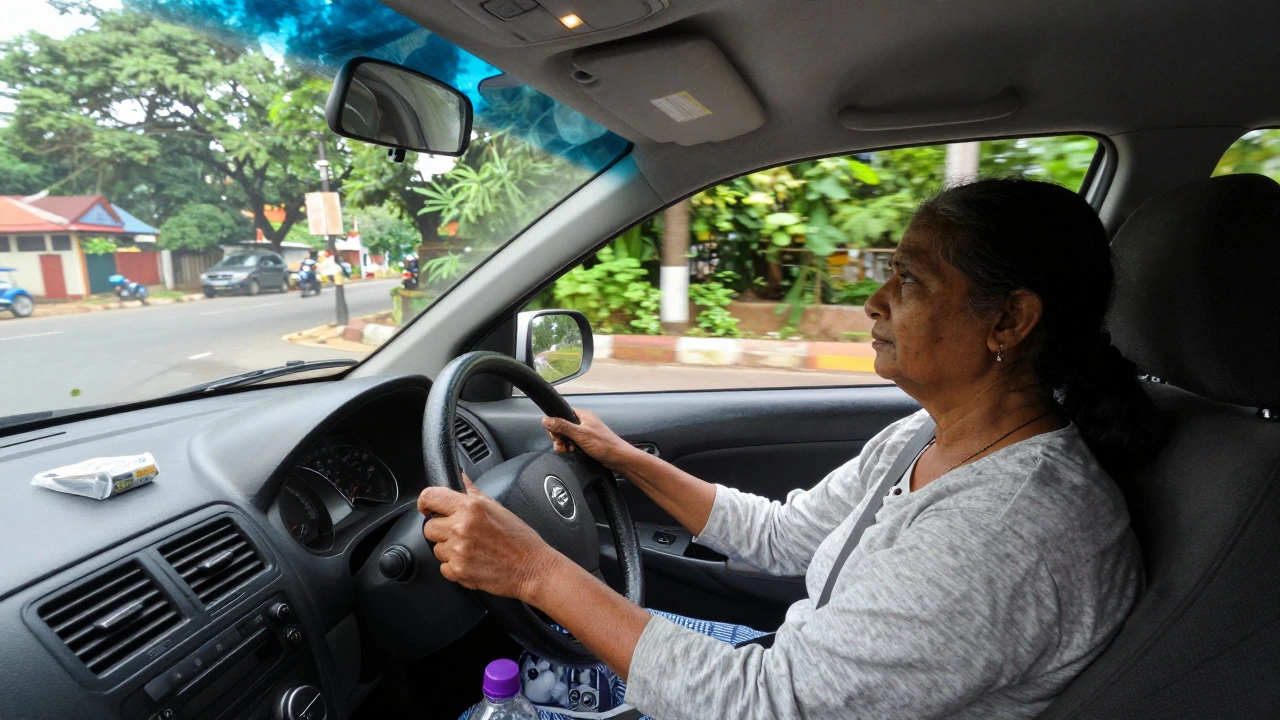
Once your surgeon gives the nod and you’ve passed the physical tests, ease back into driving. Don’t start with a highway commute. Follow this progression:
- Adjust Your Seat: Move the seat forward so you can reach the pedals without stretching. Use a cushion behind your lower back for support. Ensure your knees are slightly bent, not locked.
- Choose Low-Stress Routes: Start with short trips to nearby locations like the grocery store or pharmacy. Avoid rush hour traffic initially. Stick to familiar roads with fewer intersections.
- Limit Duration: Keep the first few drives under 15 minutes. Take breaks every 30 minutes thereafter to stretch and ice the knee if needed.
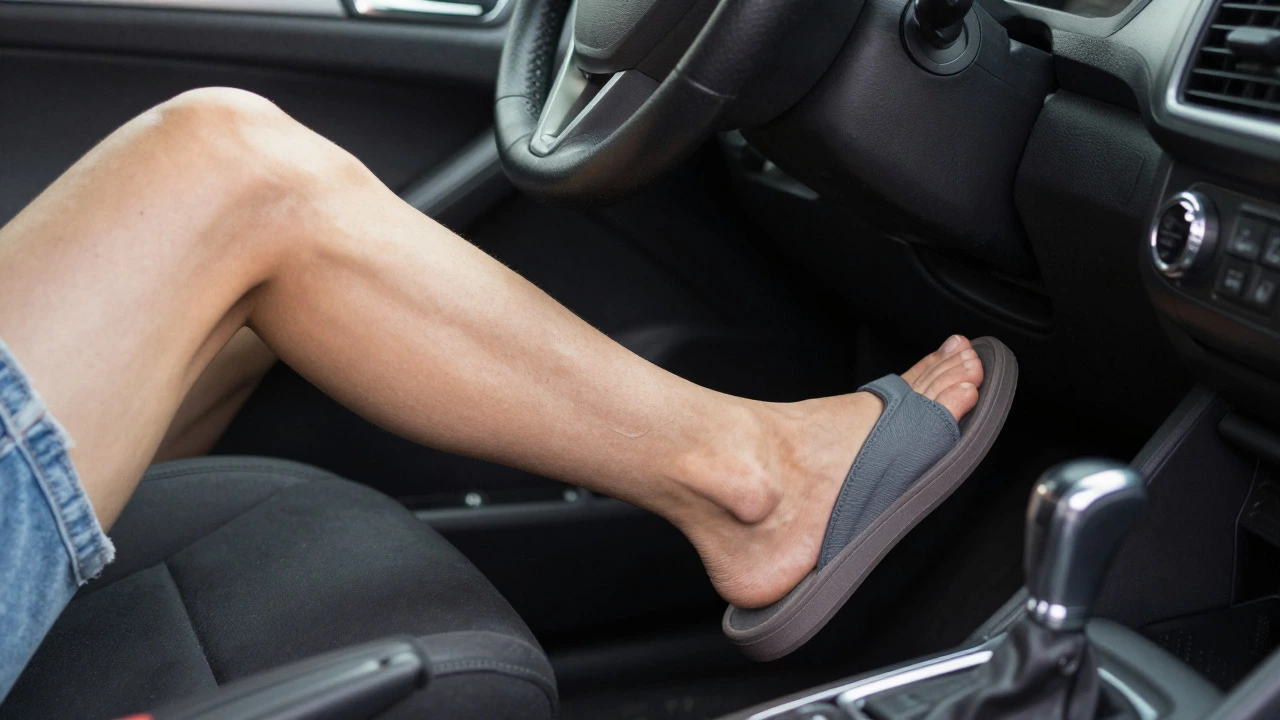
- Wear Supportive Footwear: Do not drive barefoot or in flip-flops. Wear shoes with good grip and arch support to prevent slipping off the pedals.
Remember, fatigue sets in faster when you’re recovering. If you feel tired or distracted, pull over. Driving demands cognitive load that your healing body might struggle to manage alongside pain processing.
Frequently Asked Questions
Is it safe to drive an automatic car sooner than a manual?
Yes, generally. Automatic transmissions eliminate the need to use the left leg for the clutch, which is beneficial for left-knee replacements. For right-knee replacements, the benefit is minimal since the right foot still operates the gas and brake. However, the reduced cognitive load of shifting gears can help focus on smooth pedal control.
What if my doctor says I can drive, but I’m scared?
Trust your instincts. Medical clearance is a baseline, not a mandate. If you feel anxious or physically unsure, ask for a professional driving assessment or practice in an empty parking lot with a companion. Anxiety can tighten muscles, making control harder, so mental readiness matters as much as physical ability.
Does wearing a compression stocking affect driving?
Not negatively, provided it fits correctly. Compression stockings help reduce swelling and prevent blood clots (DVT), which is crucial post-surgery. Just ensure they aren’t too tight around the ankle or calf, restricting circulation or causing discomfort while pressing pedals.
How long does it take to regain full confidence?
Most patients report feeling fully confident between 6 to 8 weeks post-surgery. By this time, muscle strength has returned significantly, pain is minimal, and reaction times have normalized. Rushing this phase often leads to setbacks, so patience pays off.
Can I drive long distances after 2 weeks?
It is not recommended. Prolonged sitting increases the risk of Deep Vein Thrombosis (blood clots) and causes severe stiffness. If you must travel far, take breaks every hour to walk and stretch. Ideally, save long road trips for after the 6-week mark.