Cancer Survival Rate Comparison Tool
Configure Analysis
Select a cancer type and stage to view specific survival estimates.
Overview Statistics
Estimated 5-Year Relative Survival Rate
This bar represents the percentage of patients alive 5 years after diagnosis compared to the general population.
Quick Comparison Overview
It is a question that keeps many people awake at night. When you hear the word "cancer," your mind might race to statistics, timelines, and worst-case scenarios. You want to know the truth: which type of this disease moves the fastest and offers the least amount of time? The short answer is complex because "life expectancy" depends heavily on when the cancer is found. However, if we look at average survival rates across all stages combined, pancreatic cancer, along with small cell lung cancer and certain types of liver cancer, consistently ranks among the most deadly.
Understanding these numbers isn't about giving up hope. It’s about understanding urgency. Knowing which cancers are aggressive helps patients and families make faster decisions about treatment options, clinical trials, and quality of life. Let’s break down the reality behind these statistics without the sugarcoating, but also without stripping away the possibility of progress.
The Silent Killer: Why Pancreatic Cancer Tops the List
Pancreatic cancer is often cited as having the lowest five-year survival rate of any major cancer type. According to data from the American Cancer Society and other global health organizations, the overall five-year survival rate for pancreatic cancer hovers around 10-11%. This means that out of every 100 people diagnosed, roughly 10 are alive five years later. For context, breast cancer has a five-year survival rate of over 90% when caught early, and even prostate cancer exceeds 98%.
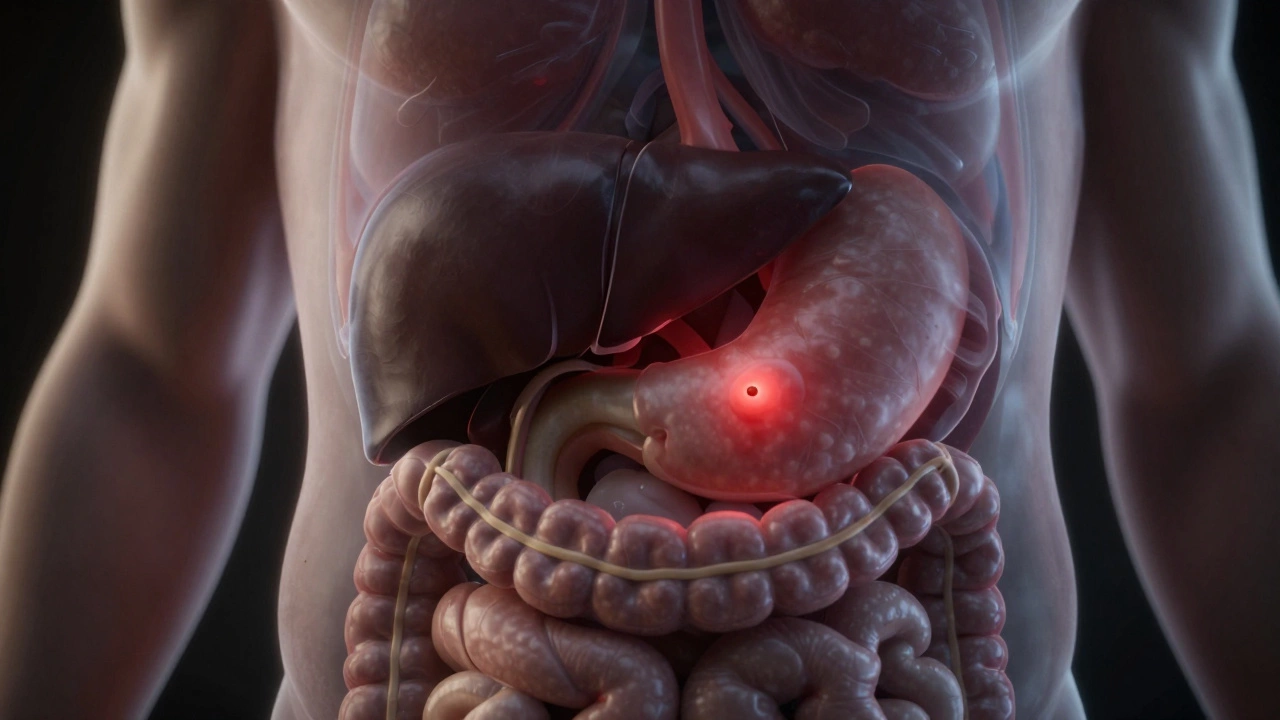
Why is it so deadly? The pancreas sits deep in the abdomen, behind the stomach. Tumors here can grow quite large before they press on nerves or block bile ducts, causing symptoms like jaundice (yellowing skin) or back pain. By the time these signs appear, the cancer has often spread to nearby organs or distant sites like the liver or lungs. This late-stage diagnosis makes surgical removal-the only potential cure-impossible for about 80% of patients at the time of diagnosis.
However, "shortest life expectancy" is not a death sentence for everyone. If the tumor is localized (confined to the pancreas), the five-year survival rate jumps to approximately 44%. This highlights a critical point: stage matters more than type. A patient with localized pancreatic cancer has a significantly better outlook than someone with metastatic lung cancer.
Lung Cancer: The Volume Leader in Mortality
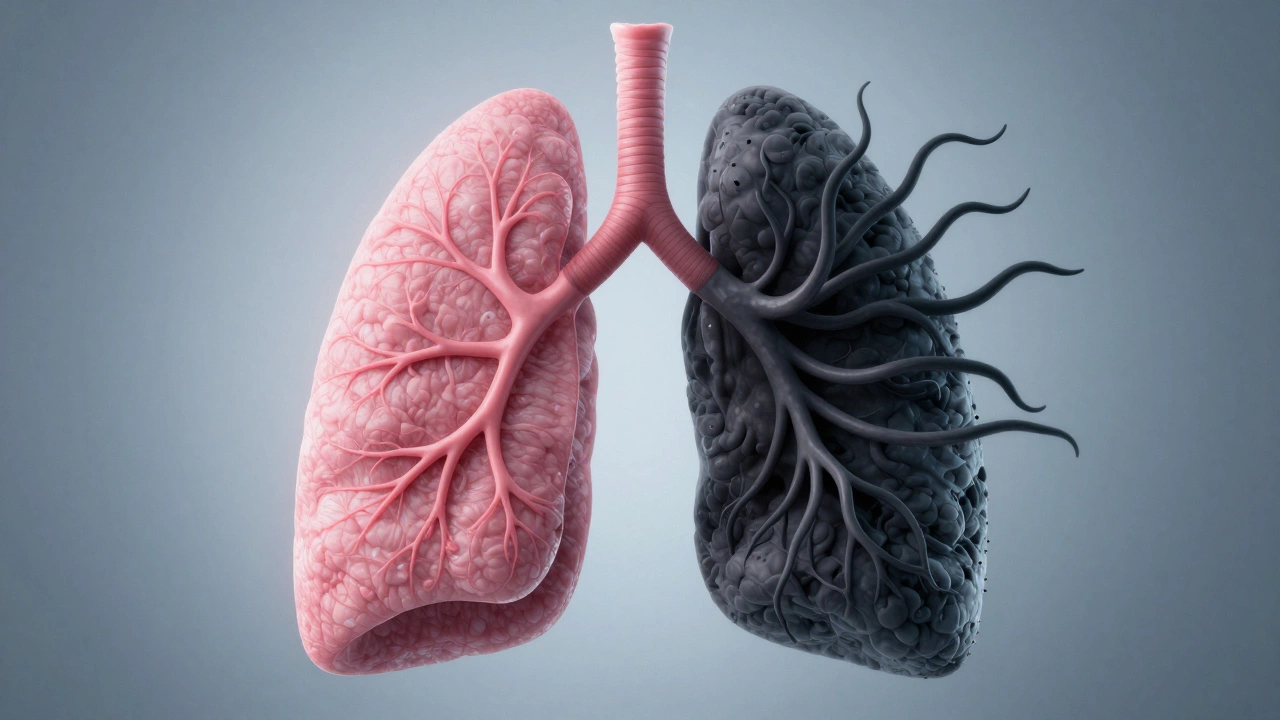
While pancreatic cancer has a lower *percentage* of survivors, Lung cancer causes the highest *number* of cancer deaths worldwide. This distinction is important. Because lung cancer is so common, its total impact on mortality is massive. But within lung cancer, there is a huge divide between two main types: non-small cell lung cancer (NSCLC) and small cell lung cancer (SCLC).
Non-small cell lung cancer accounts for about 85% of cases. Its five-year survival rate is around 26%. This number has been rising thanks to better screening (like low-dose CT scans) and targeted therapies. Small cell lung cancer, however, is far more aggressive. It grows rapidly and spreads early. The five-year survival rate for SCLC is only about 7% if it has spread widely (extensive stage). Even if caught early (limited stage), the rate is only 29%. This makes extensive-stage small cell lung cancer one of the most lethal forms of the disease in terms of speed and resistance to traditional chemotherapy.
The good news? Immunotherapy and targeted drugs have changed the landscape for NSCLC. Patients with specific genetic mutations (like EGFR or ALK) can now live for years with oral medications that specifically target the cancer cells. This personalized approach doesn’t work as well for SCLC yet, which remains a significant challenge for oncologists.
Liver and Esophageal Cancers: Hidden Threats
Two other cancers frequently appear in discussions about poor prognosis: Liver cancer and Esophageal cancer.
Liver cancer, particularly hepatocellular carcinoma, often develops in livers already damaged by chronic hepatitis B or C, alcohol use, or fatty liver disease. Because the liver is a resilient organ, it can compensate for damage until the cancer is advanced. The overall five-year survival rate is approximately 21%. Like pancreatic cancer, early detection is key. If the cancer is confined to the liver, survival rates can exceed 30-40%, especially with treatments like ablation or transplant. But once it spreads, options become limited.
Esophageal cancer affects the tube connecting the throat to the stomach. Symptoms like difficulty swallowing (dysphagia) usually don’t appear until the tumor is large enough to block food passage. By then, it may have spread. The overall five-year survival rate is about 21%, similar to liver cancer. Squamous cell carcinoma and adenocarcinoma are the two main types, each with different risk factors (smoking/alcohol vs. acid reflux/obesity). Aggressive treatment involving surgery, radiation, and chemotherapy can improve outcomes, but recurrence is common.
Brain Cancer: Glioblastoma’s Rapid Course
We cannot discuss aggressive cancers without mentioning Glioblastoma, the most malignant form of brain tumor. Unlike cancers that start elsewhere and spread to the brain (metastatic brain tumors), glioblastoma originates in the brain itself. It is graded as Stage IV automatically because it is infiltrative-it weaves into healthy brain tissue, making complete surgical removal impossible.
The median survival for glioblastoma is typically 12 to 15 months with standard treatment (surgery, radiation, and temozolomide chemotherapy). Some patients live longer, especially younger ones with specific genetic markers (like MGMT promoter methylation), but the disease progresses quickly. The challenge here isn’t just killing the cancer cells; it’s protecting vital brain functions while doing so. Newer approaches like tumor-treating fields (TTF) and immunotherapies are being studied to extend this timeline.
Context Matters: Stage, Age, and Health
When you read "lowest life expectancy," you must ask: "Compared to what?" These statistics are averages. They do not predict your individual outcome. Several factors drastically alter the prognosis:
- Stage at Diagnosis: This is the single biggest predictor. Localized cancer (Stage I) has vastly better odds than metastatic cancer (Stage IV). For example, localized melanoma has a 99% five-year survival rate, while metastatic melanoma was once nearly fatal but now has a 30-40% survival rate due to immunotherapy.
- Age and Overall Health: Younger patients generally tolerate aggressive treatments better. Comorbidities like heart disease or diabetes can limit treatment options, affecting survival.
- Molecular Profile: Modern oncology looks at the DNA of the tumor. A "poor prognosis" cancer might have a targetable mutation. For instance, some lung cancers with ALK mutations respond well to pills, turning a potentially fatal disease into a manageable chronic condition for years.
- Access to Care: Getting to a specialized cancer center matters. Multidisciplinary teams (surgeons, oncologists, radiologists) working together lead to better outcomes than fragmented care.

Comparison of Survival Rates
| Cancer Type | Overall 5-Year Survival Rate | Key Challenge |
|---|---|---|
| Pancreatic Cancer | ~11% | Late symptom onset; deep location |
| Small Cell Lung Cancer (Extensive) | ~7% | Rapid growth; early spread |
| Liver Cancer | ~21% | Underlying liver disease; silent progression |
| Esophageal Cancer | ~21% | Symptoms appear late; difficult surgery |
| Glioblastoma (Brain) | ~7% | Infiltrative nature; blood-brain barrier |
| Breast Cancer (Localized) | ~99% | Early detection via screening |
Note: These figures are based on U.S. SEER data and similar international registries. Rates vary by country, healthcare access, and year of diagnosis. Always consult your oncologist for personalized projections.
What Can Be Done? Moving Beyond Statistics
Knowing that a cancer has a short average life expectancy should drive action, not despair. Here is how patients and families can navigate this reality:
- Seek a Second Opinion: Especially for rare or aggressive cancers, getting a second opinion from a major academic cancer center can reveal new treatment options or clinical trials not available locally.
- Ask About Clinical Trials: Trials offer access to cutting-edge therapies. For pancreatic and glioblastoma, several Phase II and III trials are testing new immunotherapies and targeted agents.
- Focus on Quality of Life: Palliative care is not just for end-of-life. It involves managing pain, nausea, and stress alongside curative treatment. Studies show that early palliative care can actually extend life in some cancers by keeping patients stronger for treatment.
- Genetic Testing: Find out if your cancer has actionable mutations. Liquid biopsies (blood tests) can sometimes detect changes earlier than imaging.
Frequently Asked Questions
Is pancreatic cancer always fatal?
No. While pancreatic cancer has a low overall survival rate, it is not always fatal. If detected early while still localized to the pancreas, surgery (such as the Whipple procedure) can be curative. Approximately 15-20% of patients are eligible for surgery at diagnosis. Advances in chemotherapy regimens like FOLFIRINOX have also improved survival times for those who cannot undergo surgery.
How does small cell lung cancer differ from non-small cell lung cancer?
Small cell lung cancer (SCLC) grows much faster and spreads earlier than non-small cell lung cancer (NSCLC). SCLC is strongly linked to smoking and tends to respond well initially to chemotherapy but often recurs. NSCLC grows slower and has more targeted therapy options based on genetic mutations. SCLC has a lower five-year survival rate, especially in extensive stages.
Can lifestyle changes improve cancer survival rates?
Lifestyle changes cannot cure cancer, but they can support treatment effectiveness and recovery. Maintaining muscle mass through protein-rich diets, staying active as tolerated, quitting smoking, and avoiding alcohol can help patients tolerate chemotherapy and radiation better. Stress management and adequate sleep also play roles in immune function and overall resilience during treatment.
Why is early detection so critical for these aggressive cancers?
Early detection allows for local treatment methods like surgery or radiation, which can remove or destroy the cancer before it spreads systemically. Once cancer metastasizes (spreads to other organs), it becomes much harder to eliminate completely. For pancreatic and liver cancers, symptoms often don’t appear until the disease is advanced, which is why screening high-risk individuals (e.g., those with family history or chronic hepatitis) is crucial.
Are there new treatments showing promise for glioblastoma?
Yes. Research is ongoing into tumor-treating fields (alternating electric fields delivered via a wearable device), CAR-T cell therapy (engineering immune cells to attack tumor antigens), and new targeted inhibitors. While no cure exists yet, these approaches aim to convert glioblastoma from an immediately fatal diagnosis into a manageable chronic condition, extending survival beyond the current median of 15 months.