Dental Implant Candidacy Estimator
Select Your Factors
Check the boxes that apply to your current situation.
Your Estimated Score
Recommended Next Steps:
- • Get a CBCT Scan for 3D bone volume analysis.
- • Consult your physician about healing capacity.
- • Review medications with your surgeon.
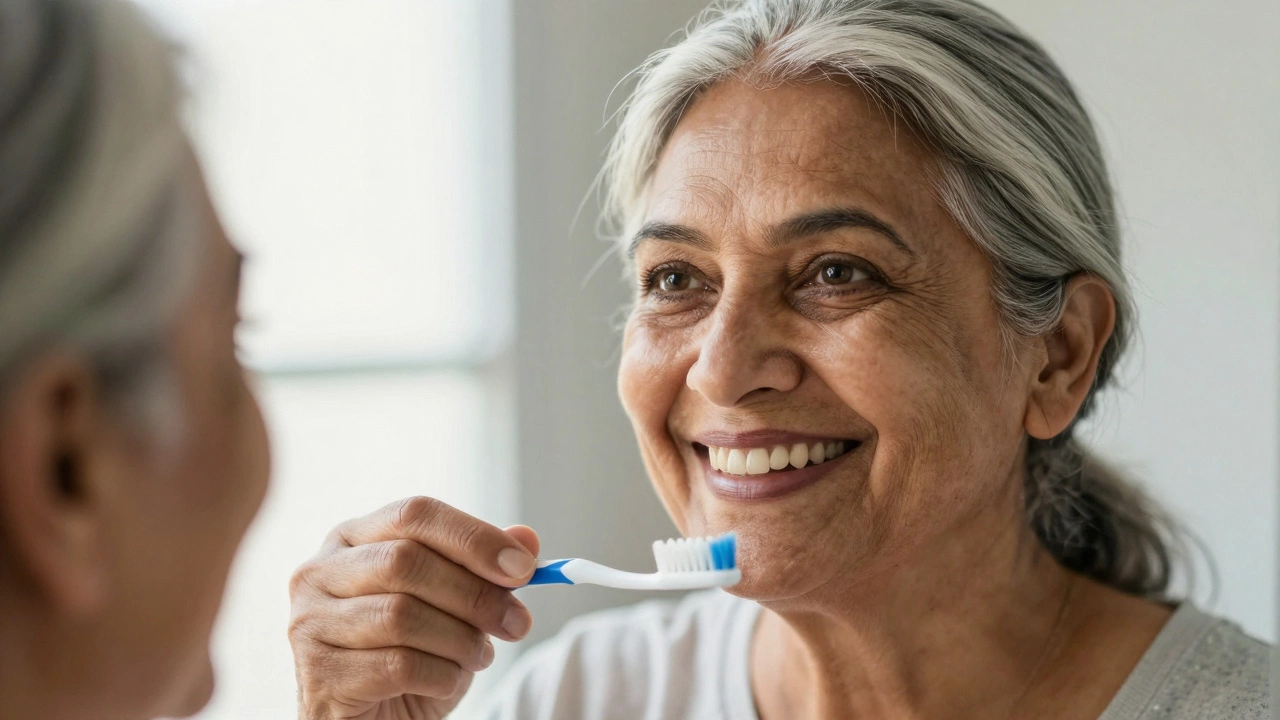
You stare in the mirror, noticing that gap where a tooth used to be. Maybe it’s been there for years. Maybe you’ve told yourself, "I’m too old for this," or "My gums are too weak." The fear is real: what if you wait too long? What if your body can no longer hold an implant? Here is the truth that surprises most patients-there is no strict age limit for dental implants. In fact, many people in their 70s, 80s, and even 90s successfully get them.
However, "no age limit" doesn’t mean "no limits." Your biological health matters far more than the number of candles on your birthday cake. The real question isn’t just about age; it’s about bone density, gum health, and systemic conditions like diabetes. Let’s break down exactly when it might be too late, and what options remain if you feel you’ve missed the boat.
The Myth of the "Too Old" Patient
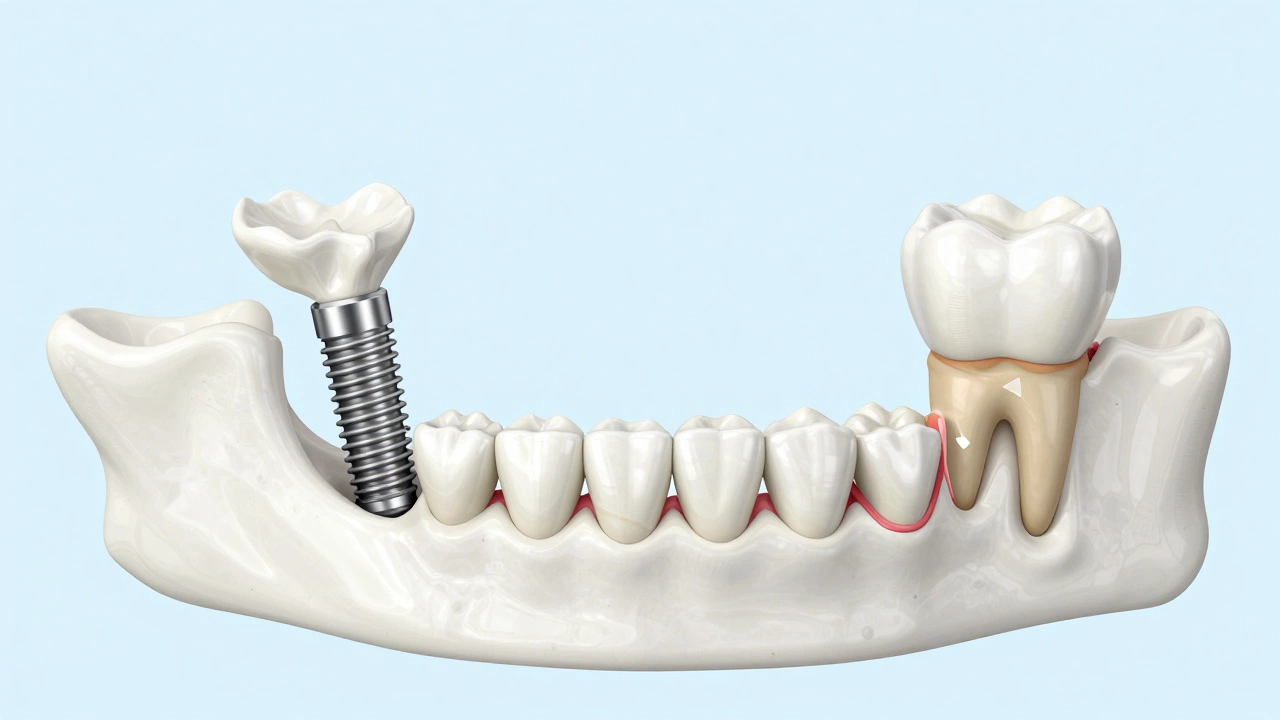
Dental implants are titanium posts surgically placed into the jawbone to replace missing tooth roots. Unlike dentures, which sit on top of the gums, implants fuse with your bone through a process called osseointegration.
Society often treats aging as a decline in all things, but oral surgery defies this stereotype. A healthy 75-year-old is often a better candidate for implants than a sedentary 40-year-old smoker. Why? Because healing depends on blood flow, nutrition, and immune response-not birth year.
In Bangalore and across India, we see patients in their late 80s undergoing successful implant procedures. The key factor is biological age, not chronological age. If your heart is strong, your blood pressure is managed, and you don’t have uncontrolled diabetes, your age is largely irrelevant to the surgeon. The titanium screw needs stable bone to grip onto, and as long as that bone exists (or can be built), you are a candidate.
When Bone Loss Becomes a Dealbreaker
If there is one physical barrier to getting implants later in life, it is severe bone resorption. When you lose a tooth, the jawbone beneath it begins to shrink. This happens because the bone no longer receives the stimulation from chewing forces. Without intervention, this process accelerates over time.
For many older adults who have worn dentures for decades, the jawbone may have shrunk so significantly that there isn’t enough height or width to place a standard implant. Does this mean it’s too late? Not necessarily, but it does change the procedure.
- Mild to Moderate Bone Loss: Standard implants can usually still be placed.
- Severe Bone Loss: You may need a bone graft a surgical procedure using synthetic material or donor bone to rebuild jaw structure before the implant can go in.
- Extreme Resorption: In rare cases, the bone is too thin. However, techniques like zygomatic implants (anchored in the cheekbone) can sometimes bypass the jaw entirely.
The timeline here is crucial. Every month you wait after losing a tooth, you lose approximately 20-25% of the bone width in that area within the first year. After five years, the bone volume can drop by half. This is why early action preserves your options, but even late action has solutions-just more complex ones.
Health Conditions That Complicate Healing
While age itself isn’t a stop sign, certain health conditions associated with aging can be. These conditions affect how well your body heals after surgery. If these aren’t managed, the risk of implant failure rises sharply.
| Condition | Risk Level | Requirement for Success |
|---|---|---|
| Uncontrolled Diabetes | High | HbA1c levels must be below 7.0-7.5% before surgery. |
| Osteoporosis | Medium | Medication review needed; some drugs (bisphosphonates) increase risk. |
| Blood Thinners | Low-Medium | Coordination with cardiologist to manage bleeding risk during surgery. |
| Smoking | Very High | Cessation recommended at least 2 weeks before and after surgery. |
Let’s talk about diabetes specifically. High blood sugar impairs blood circulation and slows wound healing. It also increases susceptibility to infection. For a dental implant to succeed, it must fuse with the bone. If your body is fighting inflammation due to high glucose, that fusion fails. The good news? If you work with your doctor to stabilize your levels, you can still get implants. Many diabetic patients do so every day.
Similarly, osteoporosis medications, particularly intravenous bisphosphonates, can interfere with bone turnover. This creates a risk called osteonecrosis of the jaw. If you are on these drugs, your dentist needs to know immediately. They may pause the medication or choose a different treatment path. This isn’t a "too late" scenario-it’s a "proceed with caution" scenario.
The Psychological Barrier: Fear and Cost
Sometimes, it’s not the body that says "stop," but the mind. Older patients often express deep anxiety about surgery. "Will I pass out?" "Will it hurt?" "Can my heart handle the stress?" These fears are valid, but modern dentistry has evolved to address them.
Sedation options range from nitrous oxide (laughing gas) to IV sedation, allowing you to sleep through the entire procedure. Local anesthesia ensures you feel no pain during the operation. Post-operative discomfort is typically manageable with over-the-counter pain relievers, similar to a wisdom tooth extraction.
Cost is another silent blocker. In India, the price of a single dental implant can range from ₹25,000 to ₹60,000 depending on the brand and complexity. For seniors on fixed incomes, this feels prohibitive. However, consider the alternative: ill-fitting dentures that cause sores, difficulty eating, and social embarrassment. The cost of replacing failed dentures repeatedly often exceeds the one-time investment in implants. Plus, medical tourism in cities like Bangalore offers high-quality care at a fraction of Western prices, making it accessible for many.
Signs You Might Be Running Out of Time
While there is no hard deadline, there are warning signs that suggest you should act quickly. Ignoring these can lead to situations where implants become impossible or excessively risky.
- Progressive Gum Disease (Periodontitis): If active infection is present, implants will fail. You must treat the gum disease first. If the disease is advanced and has destroyed significant bone, your window for traditional implants narrows.
- Rapid Bone Deterioration: If X-rays show your jawbone shrinking faster than average, waiting only makes the problem worse. Early grafting is easier than late reconstruction.
- Declining General Health: If you are facing major surgeries (like hip replacements) or have a diagnosis that limits life expectancy, prioritize treatments that improve quality of life now. Implants take 3-6 months to fully integrate. If you cannot commit to that healing timeline, other options like implant-supported overdentures (which require fewer implants) might be better.
- Poor Oral Hygiene Habits: Implants require meticulous cleaning. If dexterity issues (like arthritis) make brushing difficult, or if cognitive decline affects routine adherence, implants may not be sustainable. In these cases, removable partial dentures attached to two small implants (All-on-4 style) offer stability with less maintenance burden.
Alternatives When Implants Aren’t Possible
If your doctor determines that implants are too risky due to extreme bone loss or severe health complications, you are not left without options. Modern prosthodontics offers alternatives that restore function and aesthetics.
- Implant-Supported Overdentures: Instead of placing an implant for every missing tooth, surgeons place two to four implants in strategic locations. A denture then snaps onto these anchors. This provides stability without requiring full bone volume.
- Flexible Partial Dentures: Made from nylon-based materials, these are lightweight and don’t use metal clasps. They are less invasive but offer less chewing power than implants.
- Traditional Removable Dentures: With proper relining and adjustment, modern acrylic dentures can be comfortable. They lack the bone-preserving benefits of implants but are the most affordable and non-surgical option.
The goal is never just to fill the hole; it’s to let you eat, speak, and smile confidently. Whether that comes from a titanium post or a well-crafted denture, the outcome is what matters.
Next Steps: How to Assess Your Eligibility
Don’t guess. Don’t rely on internet forums. The only way to know if it’s "too late" for you is to get a professional evaluation. Here is your checklist:
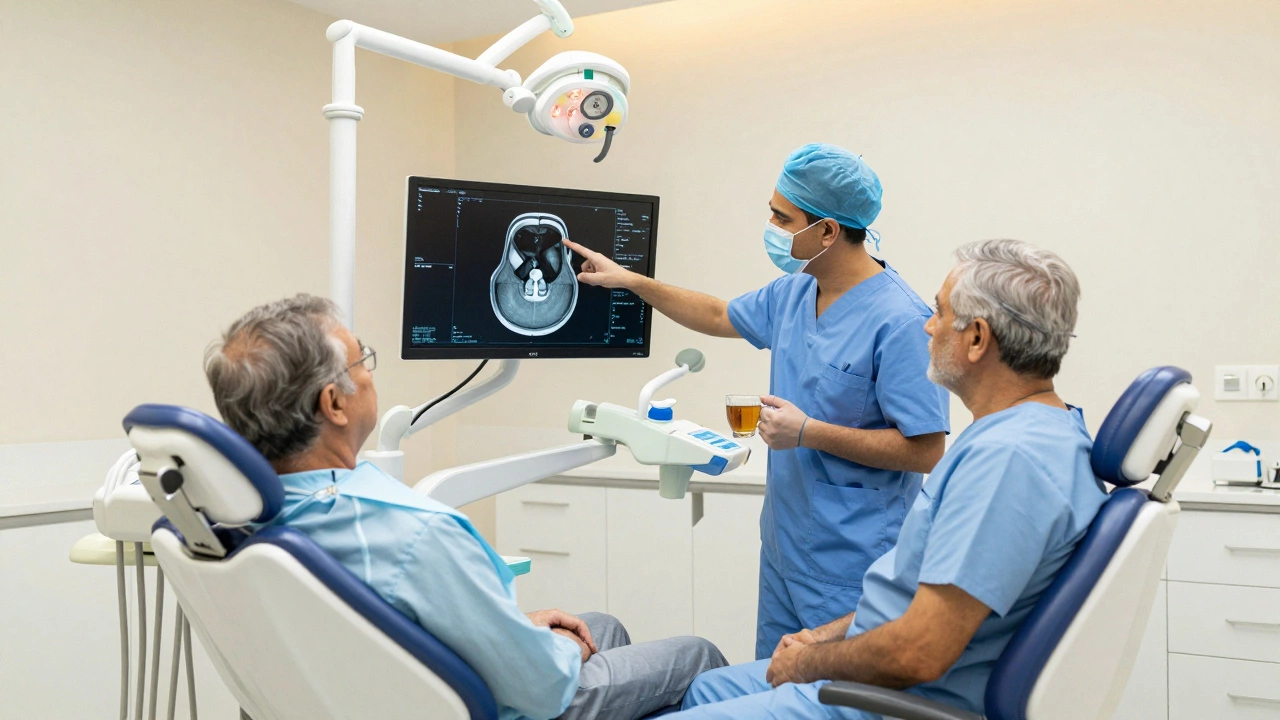
- Get a CBCT Scan: A standard X-ray shows height, but a Cone Beam Computed Tomography (CBCT) scan shows 3D bone volume. This reveals hidden pockets of bone that might save you from needing a major graft.
- Consult Your Physician: Share your dental plans with your primary care doctor. Ask specifically about your healing capacity, medication interactions, and cardiovascular fitness for minor surgery.
- Visit a Periodontist or Oral Surgeon: General dentists can place implants, but specialists handle complex cases involving bone grafts and systemic health issues. Look for someone experienced in treating older adults.
- Review Your Medications: Bring a complete list of prescriptions to your consultation. Some supplements (like ginkgo biloba) can increase bleeding risk.
Remember, the best time to get dental implants was the day you lost the tooth. The second-best time is today. Even if you’ve waited decades, technology has advanced to accommodate challenges that would have been dealbreakers ten years ago. Don’t let age define your smile.
Is there an upper age limit for getting dental implants?
No, there is no strict upper age limit. Patients in their 80s and 90s regularly receive successful dental implants. The deciding factors are bone density, gum health, and overall medical stability, not chronological age.
Can I get dental implants if I have osteoporosis?
Yes, but with precautions. Osteoporosis reduces bone density, which can affect implant stability. More importantly, certain osteoporosis medications (bisphosphonates) can interfere with healing. Your dentist must coordinate with your physician to manage medication risks.
What happens if I wait too long after losing a tooth?
Waiting leads to bone resorption. The jawbone shrinks without the stimulation of a tooth root. This can make future implant placement difficult, potentially requiring bone grafts or limiting you to smaller implants. The sooner you act, the simpler the procedure.
Are dental implants safe for diabetics?
They are safe if your diabetes is well-controlled. Uncontrolled high blood sugar impairs healing and increases infection risk. Most surgeons require your HbA1c level to be below 7.0-7.5% before proceeding with surgery.
How much do dental implants cost for seniors in India?
In cities like Bangalore, a single dental implant typically costs between ₹25,000 and ₹60,000. This varies based on the implant brand, need for bone grafting, and the specialist's fees. Insurance rarely covers implants, but payment plans are often available.
What if my jawbone is too thin for implants?
If natural bone is insufficient, bone grafting can rebuild the site. In extreme cases, zygomatic implants anchor into the cheekbone instead of the jaw. Alternatively, implant-supported overdentures use fewer implants and require less bone volume.
Does smoking affect implant success in older adults?
Yes, significantly. Smoking restricts blood flow, which is critical for osseointegration (the fusion of implant and bone). Smokers have a much higher failure rate. Quitting even a few weeks before and after surgery greatly improves outcomes.
How long does the healing process take for seniors?
Healing times vary, but typically take 3 to 6 months for the implant to fuse with the bone. Older adults may heal slightly slower than younger patients, but with good health management, the timeline remains comparable. Full restoration including the crown takes additional weeks.