
Healing Toolkit Builder
Create your personalized healing plan using the modalities described in the article. Select 3-5 tools that resonate with you.
Therapy
Insight and understanding of patterns
Connection
Real, unfiltered human connection
Movement
Body-based healing practices
Rituals
Small daily intentional practices
Meaning
Purpose beyond pain
Environment
Space that supports healing
Your Personalized Healing Plan
Therapy helps. But if you’ve been in therapy for months-or years-and you still feel stuck, you’re not broken. You’re just missing something therapy alone can’t give you.
Therapy is a starting point, not the finish line
Therapy teaches you how to talk about pain. It helps you name your triggers, understand your patterns, and reframe negative thoughts. That’s powerful. But knowing why you feel a certain way doesn’t always change how you feel in your body, in your relationships, or in your daily life.
Think of therapy like learning the rules of a game. You now know why you keep losing. But you still need to practice playing-daily, consistently, in real time.
Real healing doesn’t happen only in a 50-minute session once a week. It happens in the quiet moments between: when you choose to walk instead of scroll, when you say no to someone who drains you, when you sit with your sadness instead of numbing it with food, alcohol, or work.
Connection is the next level
Humans aren’t wired to heal alone. We evolved in tribes-not in isolated apartments with therapists on Zoom. Loneliness isn’t just a feeling; it’s a biological stressor. Studies show chronic loneliness raises cortisol levels as much as smoking or obesity.
What’s higher than therapy? Real, messy, unfiltered connection.
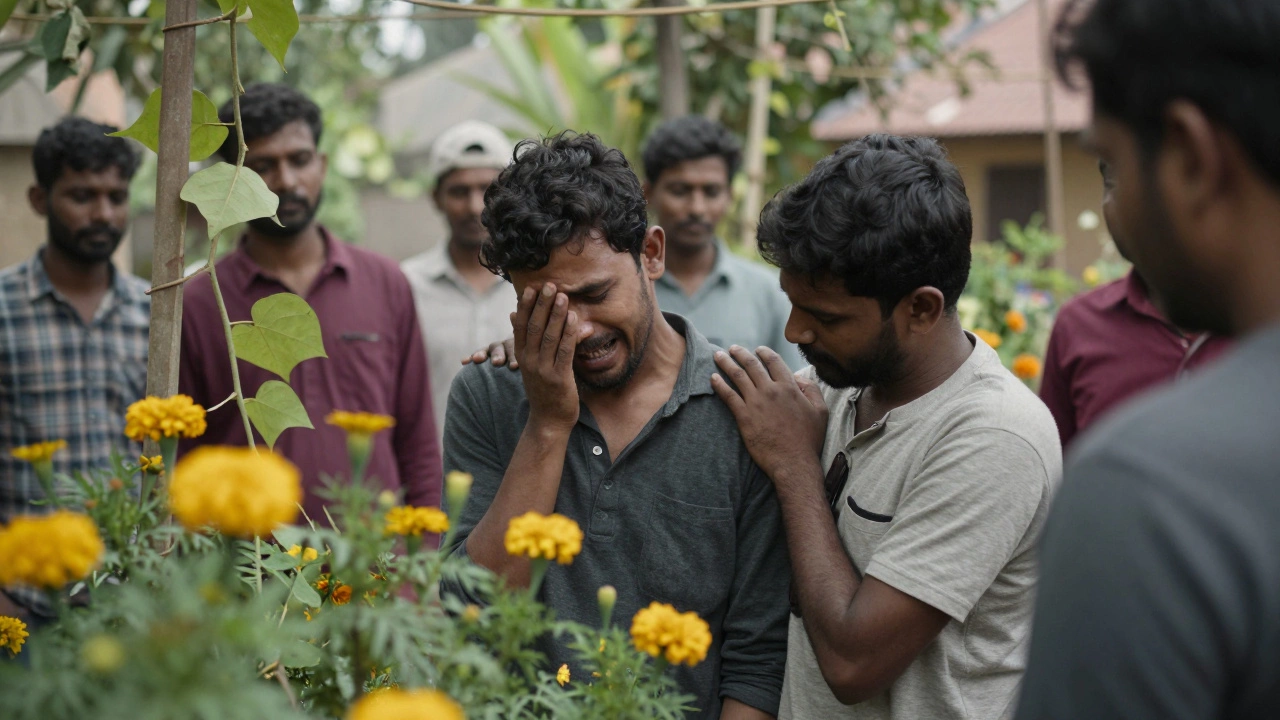
It’s not about having 500 followers or a partner who "gets you." It’s about finding at least one person you can cry in front of without fear. Someone who doesn’t fix you, doesn’t judge you, and doesn’t try to cheer you up. Someone who just says, "I’m here."
That kind of connection doesn’t show up in a therapy office. It shows up in community groups, volunteer work, recovery circles, or even a weekly hiking club. It shows up when you stop performing and start being real.
Body-based healing moves what talk can’t reach
Most trauma lives in the body-not in your thoughts. That’s why talking about your childhood abuse might help you understand it… but not stop your hands from shaking when your boss raises their voice.
Yoga, somatic therapy, dance, breathwork, even cold plunges-these aren’t "alternative" practices. They’re neuroscience-backed tools that help your nervous system reset.
When you breathe deeply for ten minutes, your vagus nerve activates. That’s the nerve that tells your body, "You’re safe now." Therapy can’t do that directly. But movement can.
One woman I know spent six years in therapy after a car accident. She understood why she was anxious. But she still couldn’t drive. Then she started doing trauma-informed yoga. Within three months, she drove herself to the grocery store for the first time in years. Not because she "figured it out"-because her body finally felt safe again.
Rituals create structure when motivation fades
Therapy doesn’t tell you what to do on Tuesday at 7 p.m. when the loneliness hits. But rituals do.
A ritual isn’t about religion. It’s about intention. It’s lighting a candle before bed and writing down one thing you’re proud of. It’s walking barefoot on the grass every morning. It’s turning off your phone for an hour after dinner and reading poetry aloud to yourself.
These small acts don’t sound like healing. But they train your brain to associate safety with routine. They tell your nervous system: "This is my time. I matter."
People who build rituals don’t need to be "motivated." They don’t wait to feel better to take care of themselves. They take care of themselves so they can feel better.
Meaning turns suffering into strength
Therapy helps you process pain. But meaning turns it into something that changes your life.
Think of Viktor Frankl, who survived Auschwitz. He didn’t get better because he talked about his trauma. He got better because he found purpose: to help others find meaning in suffering. That’s what kept him alive.
You don’t need to write a book or start a nonprofit. Meaning can be small: mentoring a teen, cooking meals for neighbors, planting trees, keeping a journal for your future kids.
When you shift from "Why is this happening to me?" to "What can I build from this?"-you stop being a victim of your past. You become its architect.

Environment shapes your mind more than your thoughts
Therapy assumes you can change your mind inside the same old room. But your environment is whispering to you all day long.
If your home is cluttered, your mind feels cluttered. If your phone buzzes every 12 minutes, your brain learns to panic. If you’re surrounded by people who dismiss your feelings, you start to dismiss them too.
What’s higher than therapy? Changing your space.
Clear out one drawer. Turn your bedroom into a tech-free zone. Walk to a park instead of scrolling in bed. Spend time with people who listen more than they talk. These aren’t "self-help hacks." They’re neurological upgrades.
Your environment isn’t background noise. It’s the silent therapist you never hired.
It’s not about replacing therapy-it’s about expanding it
No one is saying therapy is useless. It’s essential. But it’s not enough.
Healing isn’t a single tool. It’s a toolkit. Therapy gives you insight. Connection gives you safety. Movement gives you regulation. Ritual gives you structure. Meaning gives you direction. Environment gives you peace.
You don’t have to do all of them at once. Start with one. Pick the one that feels least scary.
Maybe it’s calling an old friend and saying, "I’m not okay." Maybe it’s walking outside for five minutes without headphones. Maybe it’s writing down one thing you’re grateful for before bed.
Those small steps? They’re not just self-care. They’re the next level of healing.
Healing isn’t a destination. It’s a daily practice.
You won’t wake up one day and suddenly be "fixed." That’s not how it works.
Healing is showing up-even when you’re tired. Even when you’re angry. Even when you don’t believe it matters.
It’s choosing connection over isolation. Movement over numbness. Meaning over despair. Presence over distraction.
Therapy opened the door. Now it’s time to walk through it-every single day.