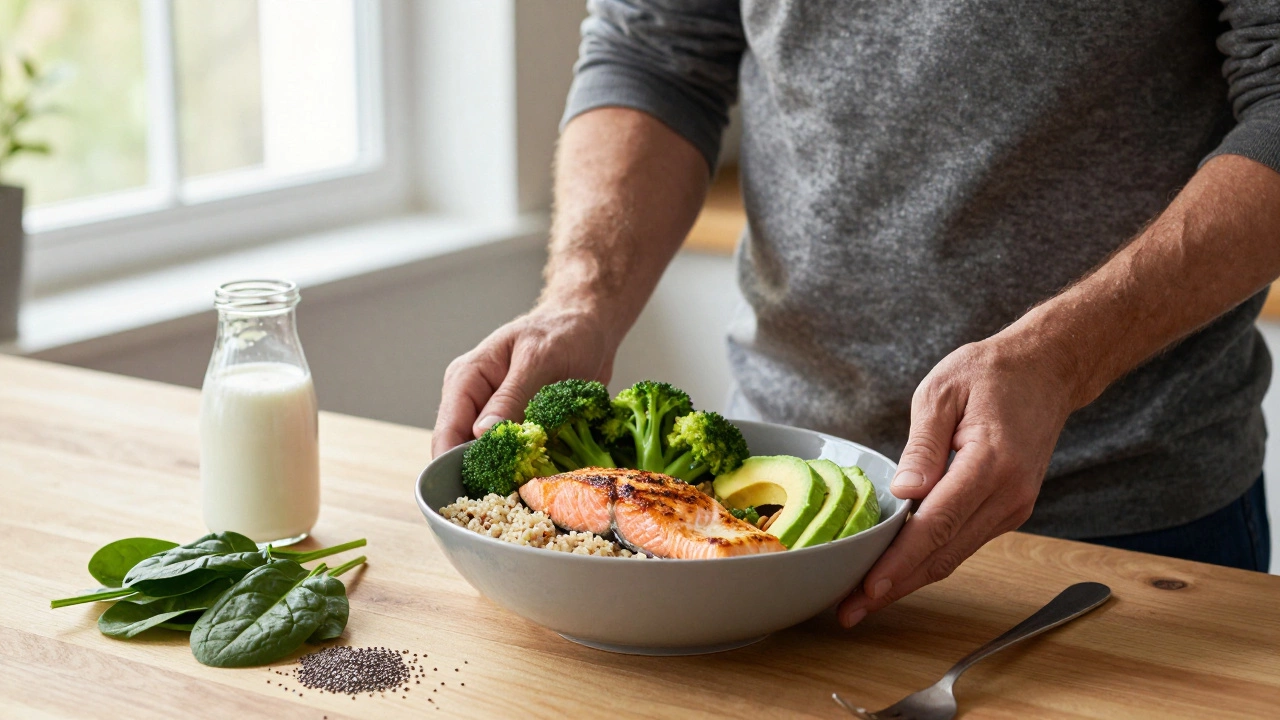
Tom Brady isn’t just a seven-time Super Bowl champion-he’s also one of the most durable athletes in modern sports history. At 47, he played at an elite level long after most quarterbacks have retired. A big part of that? His diet. Not a fad. Not a quick fix. But a strict, science-backed eating plan built for recovery, inflammation control, and long-term performance. The Tom Brady diet isn’t about losing weight fast. It’s about staying strong, sharp, and injury-free for decades.
What Does the Tom Brady Diet Actually Include?
Forget keto. Forget intermittent fasting. Tom Brady’s plan, called the TB12 diet, is a mix of anti-inflammatory eating, high hydration, and plant-heavy meals. He doesn’t count calories. He doesn’t track macros. He eats by feel and function.
His meals are 80% plant-based. That means vegetables, fruits, legumes, whole grains, nuts, and seeds make up the bulk of what he eats. The other 20%? Lean proteins like wild-caught fish, organic chicken, and grass-fed beef-eaten sparingly. He avoids dairy, gluten, sugar, processed foods, and nightshades like tomatoes, peppers, and eggplants, which he believes trigger inflammation.
His typical day looks like this:
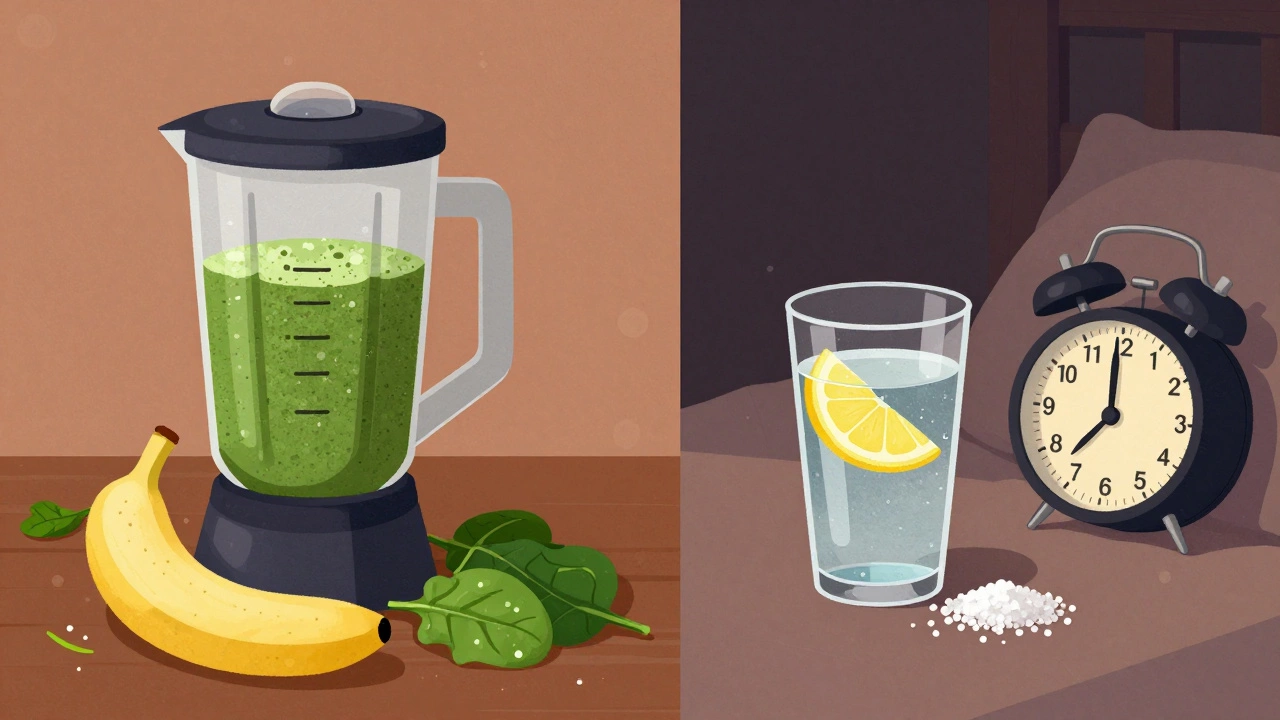
- Breakfast: Smoothie with almond milk, banana, spinach, chia seeds, and protein powder. No fruit juice. No sugar.
- Lunch: Grilled salmon or chicken with quinoa, steamed broccoli, and avocado. No bread. No cheese.
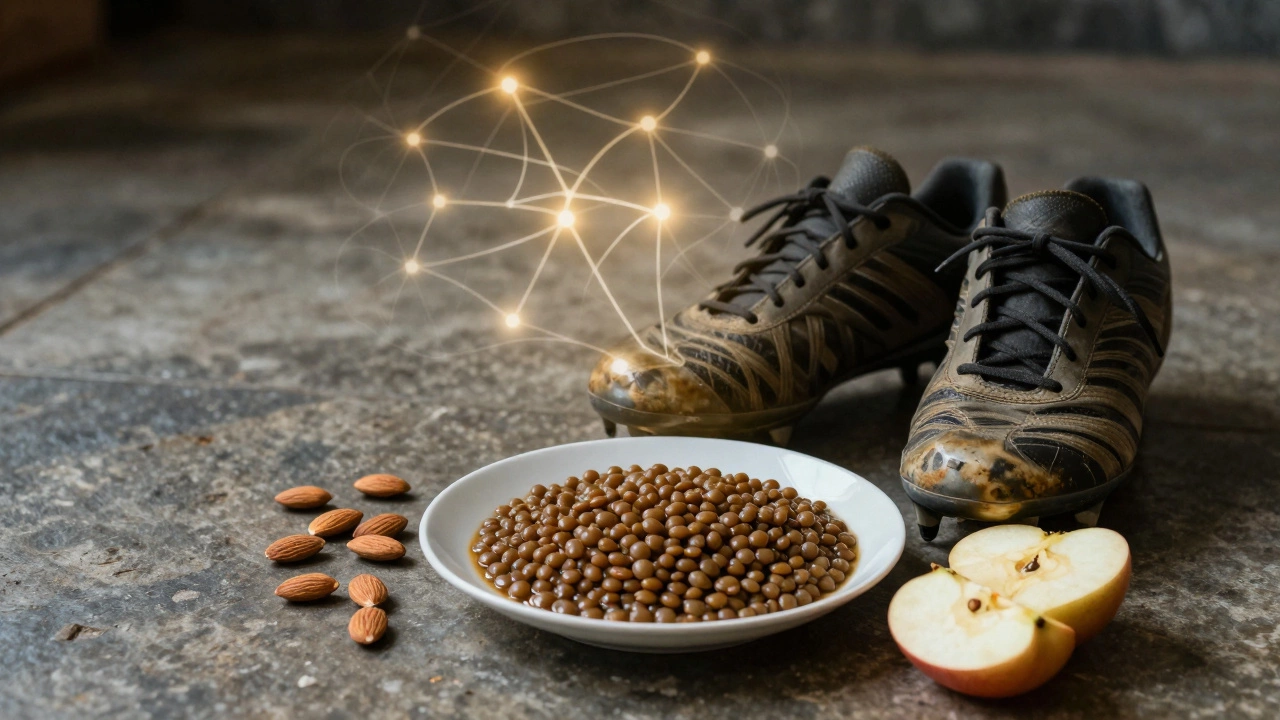
- Dinner: Lentil stew or vegetable stir-fry with olive oil and herbs. Sometimes a small portion of turkey.
- Snacks: Raw almonds, dates, or apple slices with almond butter.
He drinks at least 12 glasses of water a day-sometimes more. He avoids coffee and alcohol. His only caffeine? Green tea, once in a while. He swears by electrolyte-rich drinks made with sea salt, lemon, and maple syrup.
Why Avoid Nightshades? The Science Behind the Rules
One of the weirdest parts of the Tom Brady diet is cutting out nightshades. That’s tomatoes, potatoes, eggplants, and peppers. To most people, these are healthy veggies. But Brady’s team claims they contain alkaloids-natural compounds that can irritate the gut and worsen joint pain in sensitive people.
There’s no large-scale study proving nightshades cause inflammation in everyone. But some people with autoimmune conditions or chronic joint pain do report feeling better without them. Brady, who had multiple injuries over his career, says removing them helped his recovery time. Whether it’s placebo or physiology, he sticks with it.
He also avoids dairy because he believes it increases mucus production and slows digestion. Gluten is cut because he says it causes bloating and brain fog. Sugar? Gone. Not because it makes you fat-but because it spikes inflammation and disrupts sleep.
How This Diet Differs From Typical Weight Loss Plans
Most weight loss diets focus on calories in, calories out. The Tom Brady diet doesn’t care about the number on the scale. It cares about how you feel, move, and recover. He’s not trying to lose 20 pounds-he’s trying to stay a professional athlete into his 50s.
That’s why this isn’t a diet for quick results. It’s a lifestyle for longevity. You won’t drop weight overnight. But if you stick with it, you might notice:
- Less morning stiffness
- Better sleep quality
- More consistent energy
- Faster recovery after workouts
It’s not about being thin. It’s about being resilient. That’s why it’s popular with older athletes, people with chronic pain, and those tired of yo-yo dieting.
What You Shouldn’t Expect From the TB12 Diet
Some people think the Tom Brady diet is a magic bullet. It’s not. He doesn’t eat organic food because it’s trendy-he eats it because he believes pesticides and hormones interfere with recovery. He doesn’t drink alkaline water because it’s popular-he drinks it because he believes it helps his body maintain pH balance.
But here’s the catch: He has a team of chefs, nutritionists, and trainers. He doesn’t cook his own meals. He doesn’t grocery shop. He has the time, money, and resources to make this work.
If you’re trying this on a budget, with a busy job and kids to feed, you can’t replicate it exactly. But you can adapt the core principles:
- Swap processed snacks for nuts and fruit
- Drink more water instead of soda
- Fill half your plate with vegetables at every meal
- Reduce sugar and gluten if you notice bloating or fatigue
You don’t need to eliminate nightshades unless you feel worse after eating them. Try cutting them out for two weeks. See how you feel. Then decide.
Is the Tom Brady Diet Right for You?
It’s not for everyone. If you love pizza, pasta, cheese, or coffee, this plan will feel restrictive. If you’re looking for a quick weight loss solution, this isn’t it. It’s slow. It’s detailed. It requires planning.
But if you’re over 40, recovering from injury, or just tired of feeling sluggish after meals, it’s worth trying. The science behind reducing inflammation through food is solid. Studies show that diets high in plants, low in processed foods, and rich in omega-3s improve joint health, reduce fat storage around organs, and lower the risk of chronic disease.
Brady’s diet isn’t about perfection. It’s about consistency. He doesn’t cheat. But he also doesn’t punish himself if he eats something off-plan. He gets back on track the next meal. That’s the real secret.
How to Start the Tom Brady Diet Without Overhauling Your Life
You don’t need to quit sugar cold turkey. Start small:
- Replace one sugary drink a day with water or herbal tea. Soda, energy drinks, and sweetened coffee are major inflammation triggers.
- Add one extra serving of vegetables to lunch or dinner. Spinach, kale, zucchini, and broccoli are low in alkaloids and high in nutrients.
- Try going gluten-free for two weeks. Notice if your digestion improves or your energy levels rise.
- Eliminate nightshades for 14 days. Skip tomatoes, potatoes, peppers, and eggplant. Track how your joints feel.
- Drink half your body weight in ounces of water daily. If you weigh 150 pounds, aim for 75 ounces.
After a month, you’ll know if this way of eating works for your body. You don’t need to become Tom Brady. You just need to feel better than you did yesterday.
What Experts Say About the TB12 Diet
Registered dietitians don’t call it a miracle. But they agree on one thing: The core principles are healthy. Eating more plants. Cutting processed foods. Avoiding added sugar. Staying hydrated. These aren’t Brady-specific-they’re evidence-based.
A 2023 review in the Journal of Sports Nutrition found that athletes who followed plant-forward, anti-inflammatory diets had lower levels of C-reactive protein-a marker of inflammation-and faster recovery times after intense training. Brady’s diet aligns with those findings.
The only part experts question is the elimination of entire food groups without medical need. If you don’t have a sensitivity to gluten or dairy, cutting them out might mean missing out on important nutrients like calcium, vitamin D, and fiber.
So, don’t eliminate unless you have a reason. Test. Observe. Adjust.
Final Thoughts: It’s Not About the Diet. It’s About the Discipline.
Tom Brady didn’t become the greatest quarterback of all time because he ate kale. He did it because he showed up every day-even when he didn’t feel like it. His diet is just one part of a bigger system: sleep, hydration, mobility work, mental focus.
You don’t need to eat like him to get results. You just need to be consistent with the basics: move more, eat real food, drink water, sleep well. That’s the real takeaway.
If you want to feel lighter, recover faster, and have more energy, start with one change. Not five. Not ten. One. And stick with it. That’s how champions are made-not by following a celebrity diet, but by building habits that last.
Is the Tom Brady diet effective for weight loss?
The Tom Brady diet isn’t designed for rapid weight loss. It’s built for longevity and performance. Many people do lose weight on it-not because they’re counting calories, but because they cut out sugar, processed foods, and alcohol. The focus is on reducing inflammation and improving digestion, which naturally leads to fat loss over time. But it’s not a quick fix.
Can I follow the Tom Brady diet if I’m vegetarian?
Yes, and it might even be easier. The diet is 80% plant-based already. You can get protein from lentils, chickpeas, quinoa, tofu, tempeh, and nuts. Skip the fish and chicken, and you’re still aligned with the core principles. Just make sure you’re getting enough vitamin B12 and iron from fortified foods or supplements.
Why does Tom Brady avoid dairy?
Brady believes dairy increases mucus production and slows recovery. He also says it causes bloating and digestive discomfort. While most people tolerate dairy fine, some have sensitivities that aren’t obvious. Cutting it out can help identify if it’s affecting your energy or joint pain. It’s not a universal rule-just one he follows based on personal experience.
Does the Tom Brady diet work for older adults?
Many older adults report feeling better on this diet. Reducing inflammation through food helps with arthritis, brain fog, and fatigue. The emphasis on vegetables, hydration, and whole foods supports healthy aging. It’s not a cure, but it’s one of the most sustainable eating patterns for people over 50 looking to maintain mobility and energy.
Is the Tom Brady diet expensive?
It can be, if you buy all organic, wild-caught fish, and specialty products. But you don’t need to. The core is simple: vegetables, beans, rice, eggs, nuts, and water. Buy seasonal produce, cook at home, and skip the fancy supplements. You can follow the principles on a budget-just not the exact brand names Brady uses.
Can I drink coffee on the Tom Brady diet?
No, Brady avoids coffee. He says it dehydrates the body and spikes cortisol, which interferes with recovery. He drinks green tea instead. If you’re used to coffee, you can slowly replace it with herbal teas or matcha. But if you need caffeine, a small cup in the morning isn’t going to ruin your progress-just don’t make it a habit.
What are the biggest mistakes people make trying this diet?
The biggest mistake is trying to copy it exactly. Brady has a team. You don’t. Another mistake is eliminating too many foods at once, leading to burnout. Don’t cut out gluten, dairy, sugar, and nightshades all on day one. Pick one change. Master it. Then add another. Consistency beats perfection.
Start where you are. Eat one more vegetable today. Drink one more glass of water. That’s how real change begins.