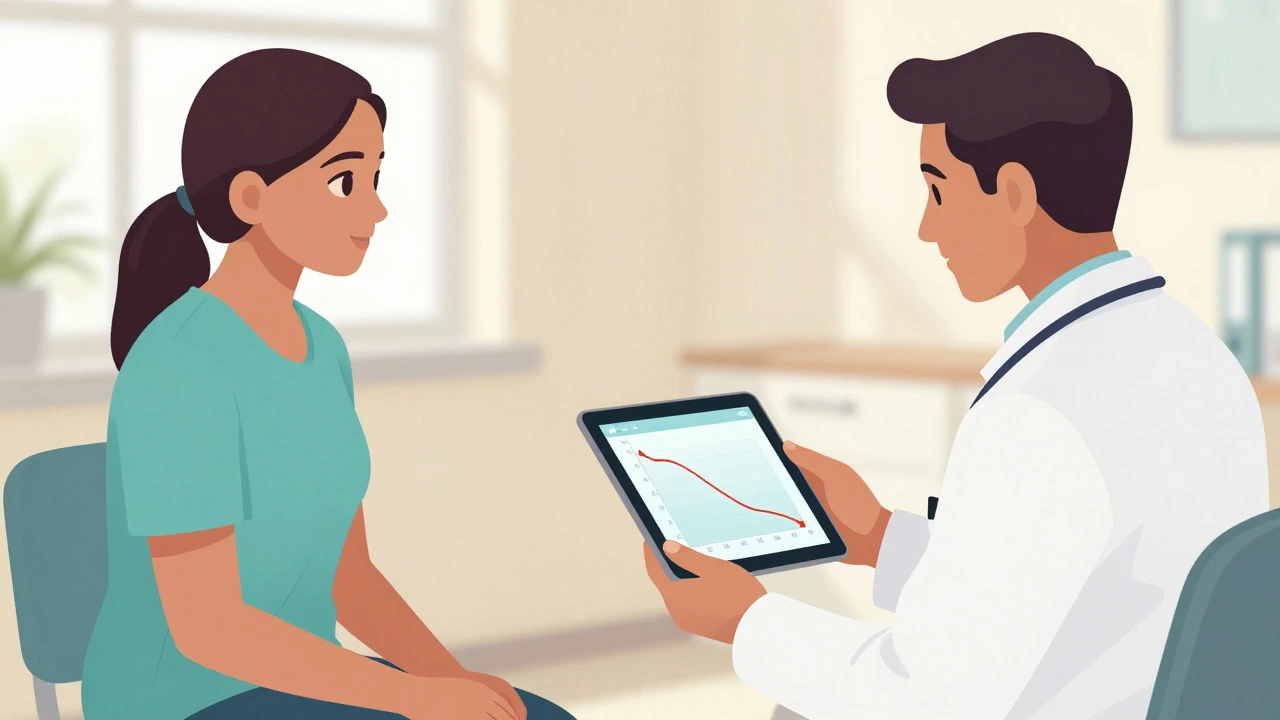
Diabetes Medication Safety Analyzer
Select all conditions that apply to you to calculate a personalized safety score for each medication class.
Your Health Profile
Safety & Suitability Scores
Check your health conditions on the left and click Analyze to see which medications are safest for you.
There is no single "safest" pill for everyone with diabetes. Safety depends entirely on your specific health profile, kidney function, and risk factors. However, modern medicine has moved beyond just lowering blood sugar; today’s top-tier medications protect your heart and kidneys while minimizing dangerous side effects like low blood sugar.
If you are looking for the gold standard in safety and efficacy, SGLT2 inhibitors and GLP-1 receptor agonists are currently considered among the safest and most effective options for many patients because they offer cardiovascular and renal protection without causing hypoglycemia when used alone. Older drugs like sulfonylureas carry higher risks of weight gain and dangerously low blood sugar levels.
Why "Safe" Means More Than Just Low Blood Sugar
In the past, a safe diabetic medication was simply one that lowered glucose without causing immediate harm. Today, the definition has shifted. A truly safe drug must also protect your long-term organs-specifically your heart and kidneys-and avoid severe hypoglycemia (low blood sugar), which can lead to falls, confusion, or even coma.
Consider this: if a drug drops your blood sugar too fast, it might trigger a panic response in your body, releasing stress hormones that spike your blood pressure. This is why doctors now prioritize medications that lower blood sugar gently and steadily. The goal is not just a good number on the meter today, but a healthy heart ten years from now.
- Hypoglycemia Risk: Does the drug cause blood sugar to drop below 70 mg/dL?
- Weight Impact: Does it cause weight gain (bad for metabolic health) or loss (often beneficial)?
- Organ Protection: Does it reduce the risk of heart failure or kidney disease progression?
The Gold Standard: Metformin
For decades, Metformin has been the first-line medication prescribed for type 2 diabetes due to its extensive safety record, low cost, and effectiveness in lowering blood sugar without causing weight gain. It works by reducing the amount of glucose produced by the liver and improving insulin sensitivity in your muscles.
Metformin is widely regarded as safe because it rarely causes hypoglycemia when taken alone. It is also inexpensive, making it accessible to millions. However, it is not without drawbacks. Some people experience gastrointestinal issues like nausea, diarrhea, or stomach cramps, especially when starting the medication. Taking it with food or using the extended-release version often mitigates these side effects.
A rare but serious risk associated with metformin is lactic acidosis, a buildup of lactic acid in the bloodstream. This is extremely uncommon and usually occurs only in people with severe kidney impairment or liver disease. If your kidney function is normal, metformin remains one of the safest starting points for treatment.
Heart and Kidney Heroes: SGLT2 Inhibitors
SGLT2 inhibitors, such as empagliflozin, dapagliflozin, and canagliflozin, represent a major shift in diabetes care. These drugs work by blocking the reabsorption of glucose in the kidneys, causing excess sugar to be excreted through urine.
Why are they considered so safe? First, they have a very low risk of hypoglycemia. Second, large clinical trials have proven they significantly reduce the risk of hospitalization for heart failure and slow the progression of chronic kidney disease. For patients with existing heart or kidney issues, these drugs are not just safe-they are protective.
| Medication Class | Hypoglycemia Risk | Weight Effect | Key Benefit |
|---|---|---|---|
| Metformin | Low | Neutral/Slight Loss | First-line, affordable |
| SGLT2 Inhibitors | Very Low | Loss | Heart/Kidney protection |
| GLP-1 Agonists | Very Low | Significant Loss | Cardiovascular benefit, satiety |
| Sulfonylureas | High | Gain | Strong glucose lowering |
| DPP-4 Inhibitors | Low | Neutral | Well-tolerated, mild effect |
The main side effects to watch for with SGLT2 inhibitors are genital yeast infections and urinary tract infections, since there is more sugar in the urine. Staying hydrated and maintaining good hygiene usually prevents these issues. There is also a small risk of euglycemic diabetic ketoacidosis (DKA), a condition where ketones build up even though blood sugar isn't dangerously high. This is rare but requires awareness, especially during illness or surgery.
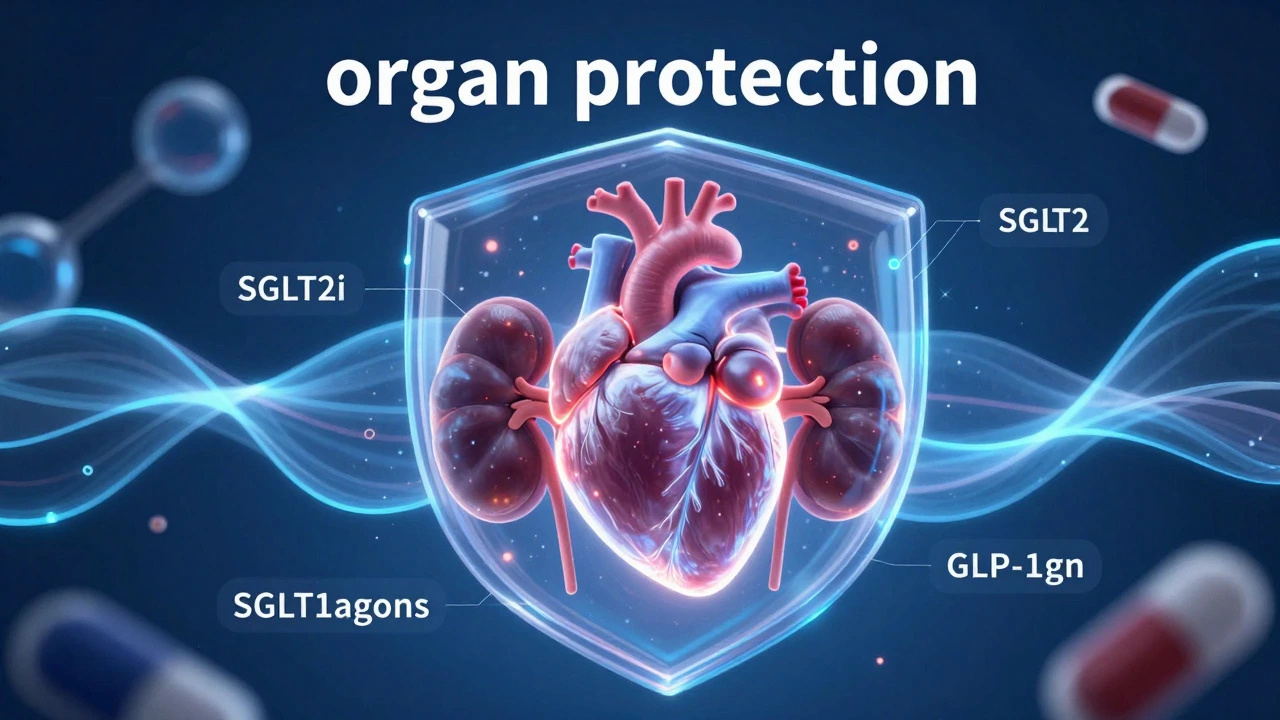
Weight Loss and Heart Health: GLP-1 Receptor Agonists
GLP-1 receptor agonists, including semaglutide and liraglutide, mimic a hormone that regulates appetite and blood sugar. They slow down stomach emptying, signal fullness to the brain, and stimulate insulin release only when blood sugar is high.
These injectable medications are incredibly effective at lowering HbA1c and promoting significant weight loss. From a safety perspective, they carry a very low risk of hypoglycemia when not combined with insulin or sulfonylureas. Major studies have shown they reduce the risk of heart attack and stroke in people with type 2 diabetes and established cardiovascular disease.
The primary complaints about GLP-1s are gastrointestinal: nausea, vomiting, and diarrhea. These symptoms often subside as the body adjusts to the medication. Starting with a low dose and gradually increasing it helps minimize these effects. For patients struggling with obesity alongside diabetes, the benefits often outweigh the temporary discomfort.
Medications to Approach with Caution
Not all older medications are unsafe, but some require careful monitoring. Sulfonylureas, such as glipizide and glyburide, stimulate the pancreas to release more insulin regardless of blood sugar levels. This can lead to hypoglycemia, especially in older adults or those with irregular eating habits.
While sulfonylureas are cheap and effective, their risk profile makes them less ideal as a first choice compared to newer agents. They also tend to cause weight gain, which can worsen insulin resistance over time. Doctors may still prescribe them if cost is a major barrier or if other medications fail to control blood sugar adequately.
Thiazolidinediones, like pioglitazone, improve insulin sensitivity but can cause fluid retention, leading to swelling in the legs and an increased risk of heart failure. They are generally avoided in patients with existing heart conditions.

How to Choose the Right Medication for You
Selecting the safest medication involves a personalized discussion with your healthcare provider. Here are key questions to consider:
- Do you have heart or kidney disease? If yes, SGLT2 inhibitors or GLP-1 agonists are likely the safest and most beneficial choices.
- Is weight management a priority? GLP-1 agonists and SGLT2 inhibitors promote weight loss, whereas sulfonylureas and insulin often cause weight gain.
- Are you prone to low blood sugar? Avoid sulfonylureas and meglitinides if you have a history of hypoglycemia or work in jobs where alertness is critical (e.g., driving heavy machinery).
- What is your budget? Metformin is generic and inexpensive. Newer drugs like GLP-1s can be costly, though insurance coverage varies.
Never stop or change your medication without consulting your doctor. Even the safest drug can interact with other prescriptions or become unsafe if your health status changes, such as a decline in kidney function.
Lifestyle: The Foundation of Safety
No medication is truly safe if it replaces a healthy lifestyle rather than complementing it. Diet and exercise remain the cornerstone of diabetes management. A balanced diet rich in fiber, lean proteins, and healthy fats, combined with regular physical activity, can significantly reduce the dosage of medication needed.
Reducing reliance on high-dose medications lowers the risk of side effects. For example, losing even 5-10% of your body weight can dramatically improve insulin sensitivity, potentially allowing you to stay on safer, lower-dose therapies like metformin instead of progressing to more complex regimens.
What is the safest medication for type 2 diabetes with no side effects?
No medication is completely free of side effects. However, Metformin is generally considered the safest first-line option due to its long track record and low risk of hypoglycemia. SGLT2 inhibitors and GLP-1 agonists are also very safe and offer additional heart and kidney benefits, though they may cause mild digestive issues or genital infections.
Does Metformin damage the kidneys?
Metformin does not damage the kidneys. In fact, it is safe for most people with mild to moderate kidney impairment. However, if kidney function declines severely, doctors may adjust the dose or switch medications to prevent a rare condition called lactic acidosis.
Which diabetes medication causes the least weight gain?
GLP-1 receptor agonists (like semaglutide) and SGLT2 inhibitors (like empagliflozin) are associated with weight loss. Metformin is weight-neutral or may cause slight weight loss. In contrast, sulfonylureas, thiazolidinediones, and insulin often lead to weight gain.
Are GLP-1 injections safe for long-term use?
Yes, GLP-1 agonists have been studied extensively and are considered safe for long-term use. They provide significant cardiovascular benefits and help maintain weight loss. Monitoring for potential side effects like nausea or gallbladder issues is recommended, but serious adverse events are rare.
Can I take SGLT2 inhibitors if I have a UTI?
If you have an active urinary tract infection (UTI), your doctor may advise pausing SGLT2 inhibitors until the infection clears, as the medication increases sugar in the urine, which can feed bacteria. Always consult your healthcare provider before continuing or starting this class of drugs if you are prone to infections.