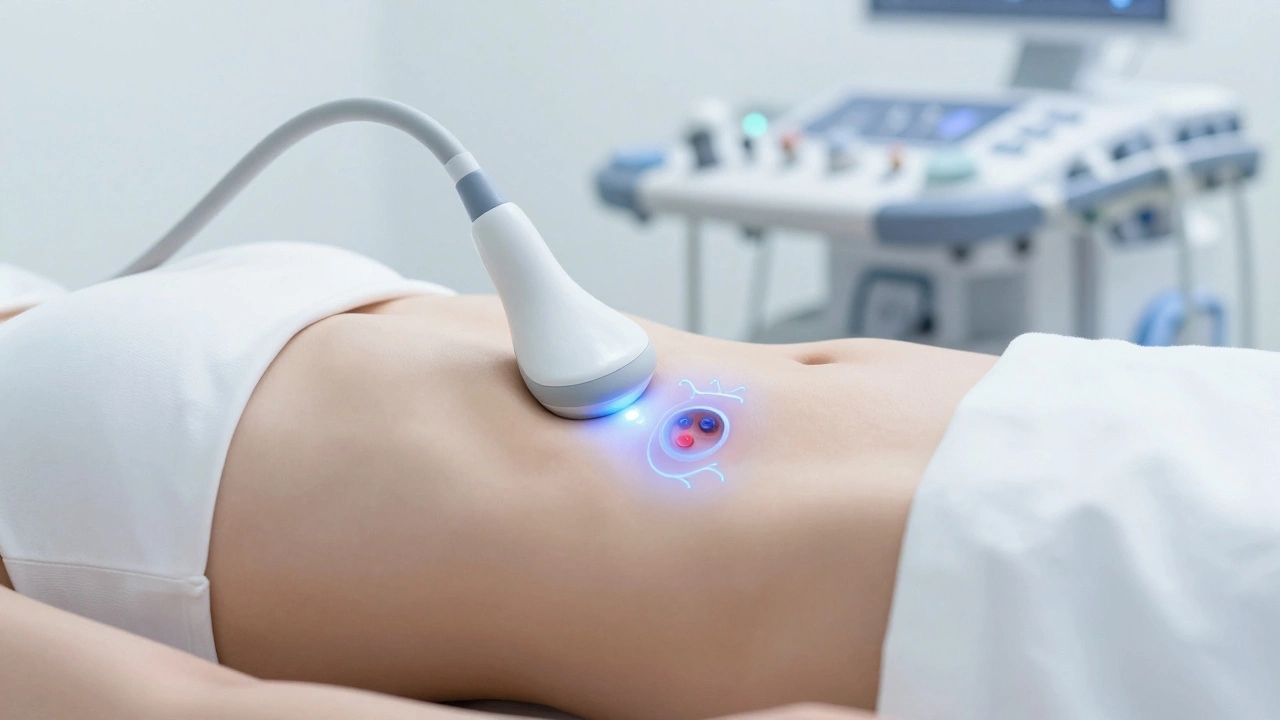
IVF Ovarian Hyperstimulation Syndrome (OHSS) Risk Estimator
Patient Profile & Cycle Data
Risk Assessment Result
Recommended Strategy:
Enter your details and click 'Assess Risk Level' to view personalized mitigation strategies.
Symptom Severity Guide
Mild
Bloating, mild pain, nausea
Moderate
Distension, vomiting, diarrhea
Severe
Rapid weight gain, shortness of breath
Critical
Oliguria, ascites, thrombosis
Imagine you’ve spent months saving money, taking injections, and enduring emotional ups and downs. You are finally ready for the embryo transfer. But what if the treatment itself causes a medical emergency? For many couples hoping to conceive through In Vitro Fertilization (IVF) is a complex assisted reproductive technology where eggs are retrieved from the ovaries and fertilized with sperm in a laboratory before being implanted into the uterus., the fear of side effects often outweighs the hope of success. While IVF has helped millions of families, it is not without significant dangers. The single biggest risk associated with this procedure is a condition called Ovarian Hyperstimulation Syndrome (OHSS) is a potentially serious complication caused by the ovaries' reaction to fertility medications used during egg retrieval..
This isn't just a minor side effect like bloating or mood swings. Severe OHSS can be life-threatening if not monitored correctly. It involves fluid shifting from your blood vessels into other parts of your body, leading to dangerous swelling, kidney failure, and even blood clots. Understanding this specific risk is crucial because it dictates how doctors manage your medication dosage and monitor your health throughout the cycle.
The Mechanism Behind the Biggest Risk: How OHSS Develops
To understand why OHSS is the primary concern, we need to look at how IVF works. In a natural cycle, your body releases one mature egg. During IVF, doctors inject you with gonadotropins-hormones like follicle-stimulating hormone (FSH) and luteinizing hormone (LH)-to force multiple eggs to develop simultaneously. This process is necessary to retrieve enough eggs for fertilization.
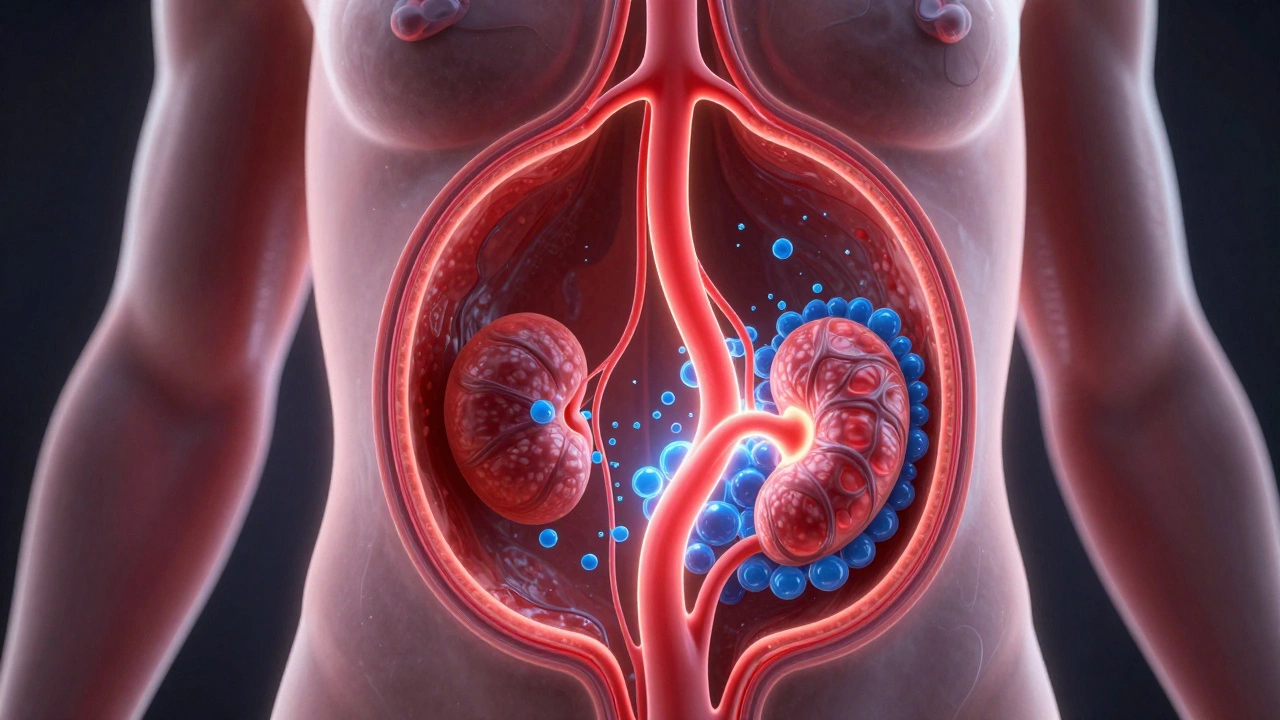
However, these hormones also cause the ovaries to become enlarged and sensitive. When the trigger shot (usually hCG) is administered to finalize egg maturation, it stimulates the release of vascular endothelial growth factor (VEGF). VEGF increases the permeability of blood vessels. Think of it like turning up the pressure on a hose that has tiny leaks; fluid escapes from the bloodstream into the abdominal cavity and other tissues.
| Severity Level | Key Symptoms | Risk Factors | Management Strategy |
|---|---|---|---|
| Mild | Bloating, mild pain, nausea | Young age, high egg count | Rest, hydration, monitoring |
| Moderate | Visible abdominal distension, vomiting, diarrhea | PCOS history, previous OHSS | Oral electrolytes, ultrasound monitoring |
| Severe | Rapid weight gain (>2kg/day), shortness of breath, low urine output | High estradiol levels, large ovarian size | Hospitalization, IV fluids, paracentesis (fluid drainage) |
| Critical | Oliguria (little/no urine), ascites, hydrothorax, thrombosis | Pregnancy after severe OHSS | ICU care, dialysis, anticoagulation therapy |
The severity ranges from mild discomfort to critical organ failure. Most cases are mild and resolve on their own within a week. However, the critical cases require immediate intensive care. The danger lies in the unpredictability; a patient who felt fine yesterday might struggle to breathe today due to fluid accumulation in the lungs (hydrothorax).
Who Is Most Vulnerable to Severe Complications?
Not everyone undergoing IVF faces the same level of risk. Certain profiles make you more susceptible to developing severe OHSS. If you fall into any of these categories, your fertility specialist should adopt a "freeze-all" strategy or use alternative triggering methods to mitigate the risk.
- Polycystic Ovary Syndrome (PCOS): Women with PCOS have hundreds of small follicles that respond aggressively to stimulation drugs. This makes them the highest-risk group for OHSS.
- Young Age: Patients under 35 generally have better ovarian reserve and produce higher estrogen levels in response to medication, increasing the likelihood of overstimulation.
- Low Body Mass Index (BMI): Thinner patients tend to have higher peak estradiol levels for the same dose of medication compared to those with higher BMI.
- Previous History of OHSS: If you experienced moderate to severe OHSS in a prior cycle, your risk repeats in subsequent cycles unless protocols are adjusted.
- High Estradiol Levels: Blood tests showing estradiol levels above 3,000-4,000 pg/mL on the day of the trigger shot indicate a high risk of fluid shift.
For example, a 28-year-old woman with PCOS retrieving 20 eggs is at significantly higher risk than a 40-year-old woman retrieving only three eggs. Doctors must balance the desire for more embryos against the physical safety of the patient.
Other Significant Risks Beyond OHSS
While OHSS is the most acute and dangerous systemic risk, IVF carries other complications that patients often overlook. These risks are less likely to be fatal but can impact long-term health and future fertility attempts.
Ovarian Torsion: As the ovaries swell during stimulation, they can twist around their supporting ligaments. This cuts off blood supply to the ovary, causing severe pain and requiring emergency surgery to untwist or remove the tissue. This is a surgical emergency that can happen days after egg retrieval.
Ectopic Pregnancy: IVF does not eliminate the risk of ectopic pregnancy, where the embryo implants outside the uterus, usually in the fallopian tube. In fact, some studies suggest a slightly higher rate of ectopic pregnancies in IVF cycles compared to natural conception. This condition is life-threatening if the tube ruptures.
Multiples (Twins/Triplets): Transferring multiple embryos increases the chance of twins or triplets. While having two babies might sound appealing, multiple pregnancies are high-risk for both mother and child. They carry a higher chance of preterm birth, low birth weight, gestational diabetes, and preeclampsia. Many clinics now recommend elective single embryo transfer (eSET) to avoid this risk entirely.
Emotional and Financial Toll: The stress of IVF is profound. The financial burden, especially in countries without public funding for fertility treatments, can strain relationships. The psychological impact of repeated failure or managing severe side effects contributes to anxiety and depression, which are valid health risks associated with the treatment journey.
How Modern Medicine Mitigates These Risks
You might wonder if these risks mean you should avoid IVF altogether. Absolutely not. Medical advancements have drastically reduced the incidence of severe complications. Here is how clinics protect you today:
- GnRH Antagonist Protocols: Instead of older long protocols, many doctors now use antagonist protocols. These allow for closer monitoring and earlier intervention if estrogen levels rise too quickly.
- GnRH Agonist Trigger: Traditionally, an hCG trigger was used to mature eggs. Now, doctors may use a GnRH agonist trigger. This method induces final maturation with a much lower risk of OHSS because it doesn’t stimulate VEGF as strongly.
- Coasting: If estrogen levels get too high, doctors may stop stimulation drugs for a few days while continuing to monitor. This allows progesterone to rise and estrogen to drop, reducing ovarian sensitivity before the trigger shot.
- Freeze-All Cycles: If there is a high risk of OHSS, doctors may retrieve the eggs but cancel the fresh embryo transfer. All embryos are frozen, and you undergo a frozen embryo transfer (FET) in a later, natural cycle. This eliminates the risk of late-onset OHSS, which is worsened by pregnancy hormones.
- Albumin Infusion: During egg retrieval, intravenous albumin may be given to help stabilize blood volume and reduce fluid leakage.
These strategies show that risk management is proactive, not reactive. A skilled reproductive endocrinologist will tailor the protocol to your specific biology rather than using a one-size-fits-all approach.

Warning Signs: When to Seek Immediate Help
If you are undergoing IVF, you must know the red flags. Do not wait for your next scheduled appointment if you experience these symptoms after egg retrieval or a positive pregnancy test:
- Rapid weight gain (more than 1 kg or 2 lbs in 24 hours)
- Severe abdominal pain or bloating that prevents normal movement
- Nausea and vomiting that prevents keeping fluids down
- Shortness of breath or chest pain
- Significantly decreased urination despite drinking plenty of water
- Dizziness, fainting, or rapid heartbeat
Contact your clinic immediately. Early intervention with oral electrolytes or hospitalization for IV fluids can prevent mild OHSS from becoming critical. Never ignore these signs, assuming they are just "normal IVF side effects."
Making an Informed Decision About IVF Safety
Understanding the biggest risk of IVF empowers you to ask the right questions during your consultation. Ask your doctor: "What is my personal risk profile for OHSS?" and "What mitigation strategies do you employ if my estrogen levels spike?"
Choose a clinic that prioritizes safety over quantity. A clinic that pushes for maximum egg retrieval regardless of hormonal markers is putting you at unnecessary risk. Look for providers who discuss "freeze-all" options openly and who have clear emergency protocols for OHSS.
IVF is a powerful tool, but it is a medical intervention with real physiological consequences. By respecting the risks, particularly Ovarian Hyperstimulation Syndrome, and working with a cautious, expert medical team, you can navigate the path to parenthood safely. Your health is the foundation upon which a new family is built; never compromise it for the sake of speed or convenience.
Is OHSS permanent?
No, OHSS is not permanent. Mild to moderate cases typically resolve within 1-2 weeks after the egg retrieval or if pregnancy does not occur. Severe cases may take longer to heal, especially if pregnancy occurs, as pregnancy hormones can prolong the symptoms. With proper medical care, full recovery is expected.
Can I prevent OHSS completely?
You cannot guarantee complete prevention, but you can significantly reduce the risk. Strategies include using GnRH agonist triggers, coasting, freeze-all cycles, and careful medication dosing based on daily monitoring. High-risk patients like those with PCOS require specialized protocols to minimize chances.
Does IVF increase the risk of cancer?
Current research suggests no strong link between IVF medications and increased risk of breast, ovarian, or uterine cancer. Some early studies raised concerns, but larger, long-term studies have largely debunked these fears. The underlying infertility conditions themselves may pose a slightly higher baseline risk, not the treatment.
What happens if I get pregnant with severe OHSS?
Pregnancy can worsen OHSS because the body produces hCG naturally, which continues to stimulate the ovaries. This is called late-onset OHSS. Management involves close monitoring, hydration, and sometimes draining fluid from the abdomen (paracentesis). Symptoms usually improve after the first trimester when placental function stabilizes.
Are there alternatives to IVF with fewer risks?
Yes, depending on the cause of infertility. Intrauterine Insemination (IUI) combined with mild oral medications like Letrozole or Clomid has a much lower risk profile than IVF. However, IUI is less effective for severe male factor infertility, tubal blockages, or advanced maternal age. Consult your doctor to see if less invasive options are viable for your specific situation.