Blood Sugar Beverage Advisor
Choose Your Scenario
Recommended Beverage
Many people ask me if there is a magic glass that can fix high glucose levels instantly. The short answer is no. However, certain beverages can support your body's ability to manage glucose when paired with medication and diet. If you are looking to **lower blood sugar** naturally, you need to understand how specific compounds interact with your metabolism. Drinking the right fluids isn't about replacing insulin shots or oral medication. It is about reducing the spike after meals and improving how your cells respond to insulin.
We often focus heavily on solid food while ignoring what we pour into our cups. A single sugary soda can undo hours of careful meal planning. Conversely, a simple glass of water or a specific herbal infusion can help stabilize your levels throughout the day. This guide breaks down the science behind drinks that actually work, how to prepare them, and the safety rules you must follow to avoid dangerous lows.
Quick Summary: Key Takeaways
- Water is the most effective base drink for flushing excess glucose through urine.
- Apple cider vinegar can reduce post-meal spikes by slowing digestion.
- Green tea contains catechins that improve insulin sensitivity over time.
- Herbal options like fenugreek and cinnamon water have traditional backing and some clinical support.
- Avoid fruit juices and sodas, as they cause rapid glucose spikes.
- Always consult your doctor before adding supplements to your regimen.
The Foundation: Why Hydration Matters
Before we talk about fancy infusions, let's talk about plain water. When your blood glucose is high, your kidneys work overtime to filter the excess sugar out of your blood. They pull water from your tissues to help flush this sugar out through urine. This process leads to dehydration, which can actually make your blood sugar levels rise further because the concentration of glucose in your blood increases when fluid volume drops.
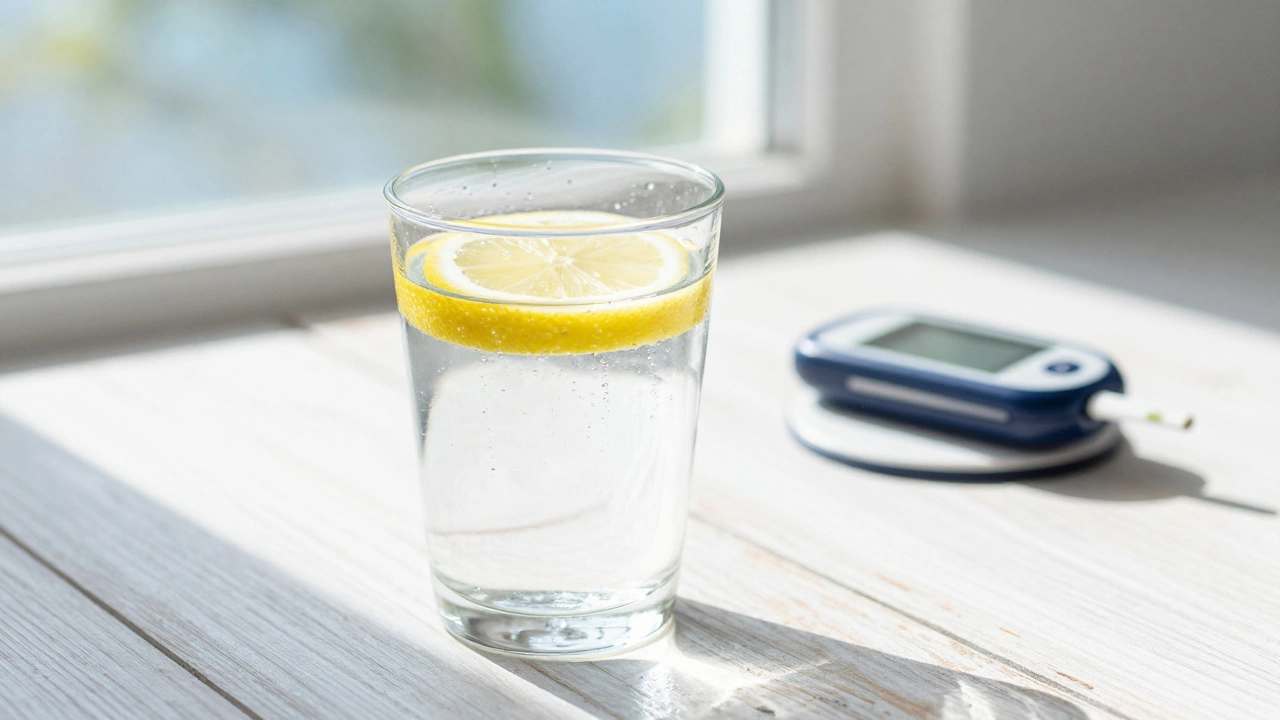
Water is the essential solvent that helps kidneys filter glucose and prevents dehydration-induced hyperglycemia. Also known as Plain Water, it requires no calories and has zero glycemic impact. Drinking adequate amounts ensures your blood volume stays stable, allowing insulin to work more efficiently.
How much do you need? There is no one-size-fits-all number, but a good rule of thumb is to drink until your urine is pale yellow. If you are active or live in a hot climate, like Bangalore during the summer, you need more. Aim for at least 8 to 10 glasses a day. Some studies suggest drinking 16 ounces of water before a meal can reduce the post-meal glucose spike by up to 15%.
Apple Cider Vinegar: The Post-Meal Buffer
Apple cider vinegar (ACV) is perhaps the most discussed drink for glucose management. It is not a cure, but the acetic acid in vinegar changes how your body processes carbohydrates. When you consume ACV before a high-carb meal, it slows down gastric emptying. This means food moves from your stomach to your intestines more slowly, preventing a rapid surge of sugar into your bloodstream.
Apple Cider Vinegar is a fermented liquid containing acetic acid that inhibits enzyme activity and slows carbohydrate digestion. Also known as ACV, it is typically diluted to avoid enamel erosion. Research indicates it can lower postprandial glucose levels by 20% to 30% in some individuals.
To use it safely, never drink it straight. The acidity can burn your throat and damage tooth enamel. Mix one tablespoon of raw, unfiltered ACV into 8 ounces of water. Drink this 15 to 30 minutes before a meal. If you are on medication like Metformin or Sulfonylureas, monitor your levels closely. ACV can enhance the effect of these drugs, potentially leading to hypoglycemia if you are not careful.
Green Tea: Long-Term Sensitivity
While vinegar helps with immediate spikes, green tea works over the long haul. It is rich in polyphenols, specifically catechins like EGCG. These antioxidants help reduce inflammation and improve how your body uses insulin. Unlike coffee, which can sometimes raise cortisol and glucose, green tea tends to have a neutral or slightly beneficial effect on glucose metabolism.
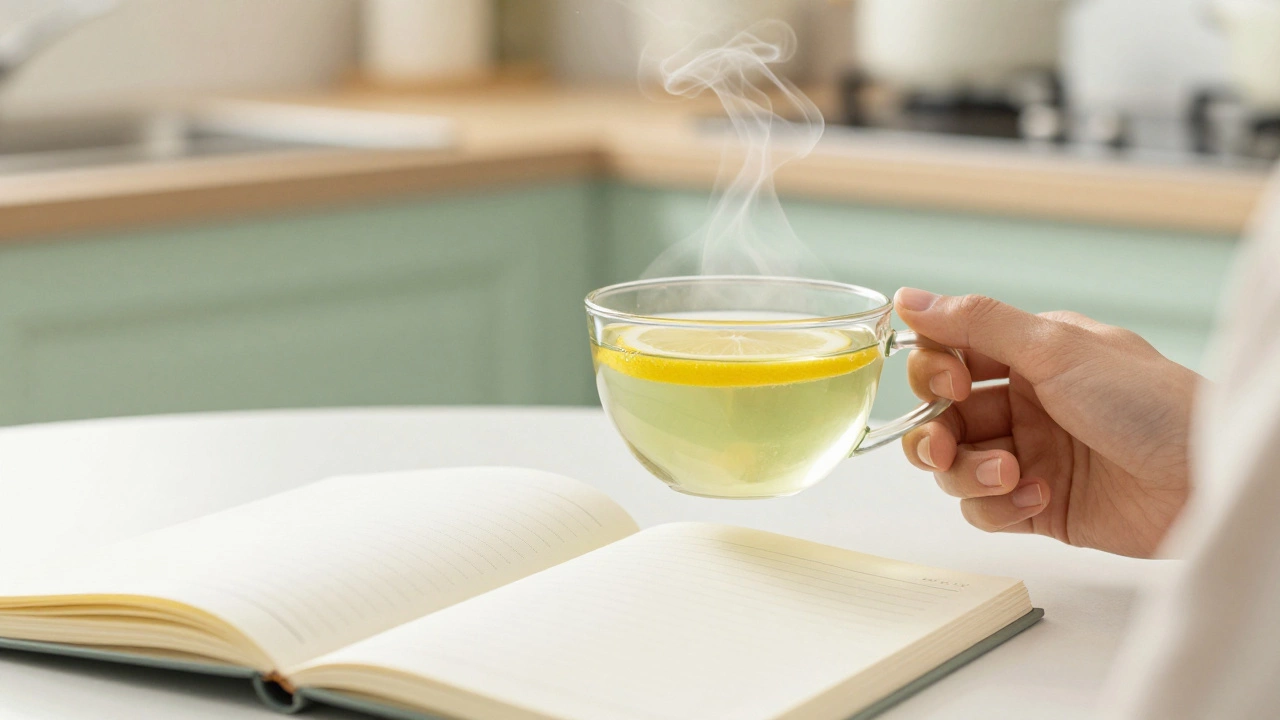
Drink two to three cups of unsweetened green tea daily. Do not add sugar or honey. If the taste is too bitter, add a slice of lemon or a dash of mint. The benefits are cumulative, meaning you won't see a change after one cup, but regular consumption over weeks can improve your HbA1c levels. It is a gentle habit that fits easily into a morning routine or an afternoon break.
Herbal Infusions: Fenugreek, Cinnamon, and Ginger
Traditional medicine systems often use seeds and spices to manage diabetes. Modern research has started to validate some of these claims. Let's look at three specific options that are easy to prepare at home.
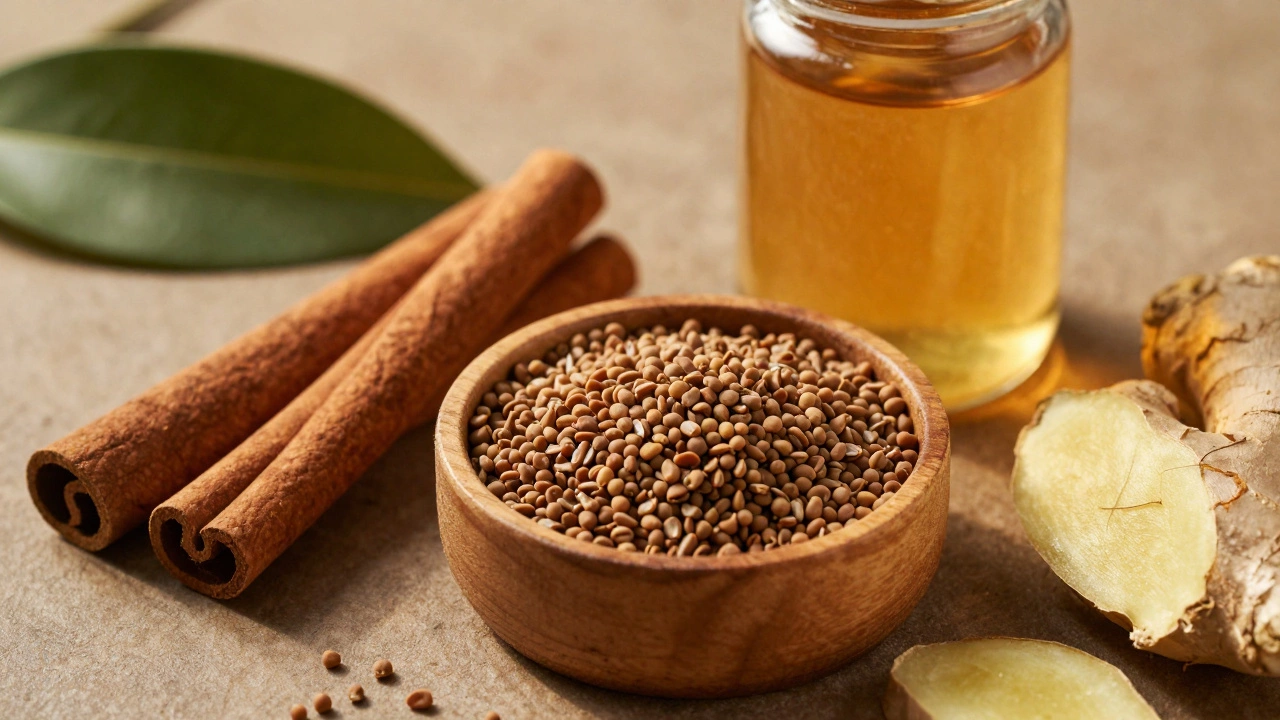
- Fenugreek Water: Soak one tablespoon of fenugreek seeds in water overnight. Drink the water in the morning and chew the seeds. The soluble fiber in the seeds forms a gel-like substance in the stomach, slowing sugar absorption.
- Cinnamon Water: Boil a cinnamon stick in water for 10 minutes. Strain and drink. Cinnamon mimics insulin and helps move sugar into cells. However, use Cassia cinnamon in moderation as it contains coumarin, which can be hard on the liver in high doses.
- Ginger Tea: Fresh ginger root contains compounds that lower fasting blood sugar. It also helps with digestion and reduces bloating, which is common in people with diabetes.
Fenugreek is a legume seed used in traditional medicine to improve glucose tolerance and insulin sensitivity. Also known as Methi, it is high in soluble fiber. Clinical trials show it can reduce fasting blood glucose by significant margins when taken consistently.
Beverages to Avoid Completely
Knowing what to drink is half the battle; knowing what to skip is the other half. Many "healthy" drinks are actually traps for your blood sugar. Fruit juices are the biggest offender. Even 100% orange juice lacks the fiber of the whole fruit, causing sugar to hit your bloodstream instantly. One glass of juice can spike your levels just like a soda.
Avoid energy drinks and sweetened teas. They often contain hidden sugars like high-fructose corn syrup or dextrose. Even "diet" sodas with artificial sweeteners can trigger insulin responses in some people due to the sweet taste signaling the brain to expect sugar. Stick to black coffee, unsweetened tea, or water with a squeeze of lemon. If you need flavor, use fresh herbs like mint or basil instead of syrups.
Comparison of Blood Sugar Lowering Drinks
| Drink | Key Active Compound | Best Time to Drink | Primary Benefit |
|---|---|---|---|
| Water | None (Hydration) | Throughout the day | Flushes excess glucose |
| Apple Cider Vinegar | Acetic Acid | Before meals | Reduces post-meal spike |
| Green Tea | Catechins (EGCG) | Morning or Afternoon | Improves insulin sensitivity |
| Fenugreek Water | Galactomannan (Fiber) | On an empty stomach | Slows carbohydrate absorption |
| Cinnamon Water | Cinnamaldehyde | Before meals | Mimics insulin action |
Safety and Medication Interactions
It is crucial to remember that these drinks are supplements to your treatment plan, not replacements. If you are taking insulin or oral hypoglycemics, adding these drinks can lower your sugar too much. Hypoglycemia is dangerous and can lead to confusion, dizziness, or even fainting.
Monitor your blood glucose levels frequently when you start a new drink regimen. Check your levels before drinking and two hours after. If you notice a consistent drop, talk to your doctor about adjusting your medication dosage. Do not stop your prescribed medication without medical supervision. Also, if you have kidney disease, be careful with herbal supplements like fenugreek, as they can affect potassium levels.
Listen to your body. If a drink causes stomach upset, heartburn, or nausea, stop using it. Natural does not always mean safe for everyone. Your liver and kidneys process these compounds, and they need to be healthy enough to handle the load.
Implementing a Drink Routine
Consistency is key. Drinking green tea once a week will not change your insulin resistance. You need to build a routine. Start with water. Keep a bottle on your desk. Set a reminder to drink every hour. Then, add one herbal drink at a time. For example, try ACV before dinner for a week. If it works well and you feel no side effects, add green tea in the morning.
Keep a log. Write down what you drank, when you drank it, and what your blood sugar reading was. This data helps you and your doctor understand what is working. It also helps you spot patterns, like how much ACV is too much for your specific metabolism. Small, sustainable changes beat drastic diets every time.
Can drinking water alone lower blood sugar?
Water does not directly lower blood sugar like medication, but it helps your kidneys flush out excess glucose through urine. Staying hydrated prevents concentration of glucose in the blood, which can help stabilize levels.
How much apple cider vinegar should I drink daily?
Most studies use 1 to 2 tablespoons of apple cider vinegar diluted in a large glass of water. Do not exceed this amount as it can cause throat irritation and interact with medications.
Is green tea better than black tea for diabetes?
Green tea is generally preferred because it is unfermented and retains higher levels of catechins, which are linked to improved insulin sensitivity. Black tea also has benefits but is often consumed with sugar.
Can I drink fruit juice if I have diabetes?
It is best to avoid fruit juice. Even without added sugar, the natural sugars in juice are concentrated and lack fiber, causing rapid spikes in blood glucose. Eat whole fruit instead.
Will these drinks replace my diabetes medication?
No, these drinks are supportive measures. They should never replace prescribed medication like insulin or Metformin. Always consult your doctor before making changes to your treatment plan.
Managing diabetes is a daily commitment, but your choices at the table and in the kitchen make a difference. By swapping sugary drinks for water, vinegar, or herbal teas, you give your body a fighting chance to regulate glucose naturally. Stay consistent, monitor your levels, and work closely with your healthcare team. Your health is worth the effort.