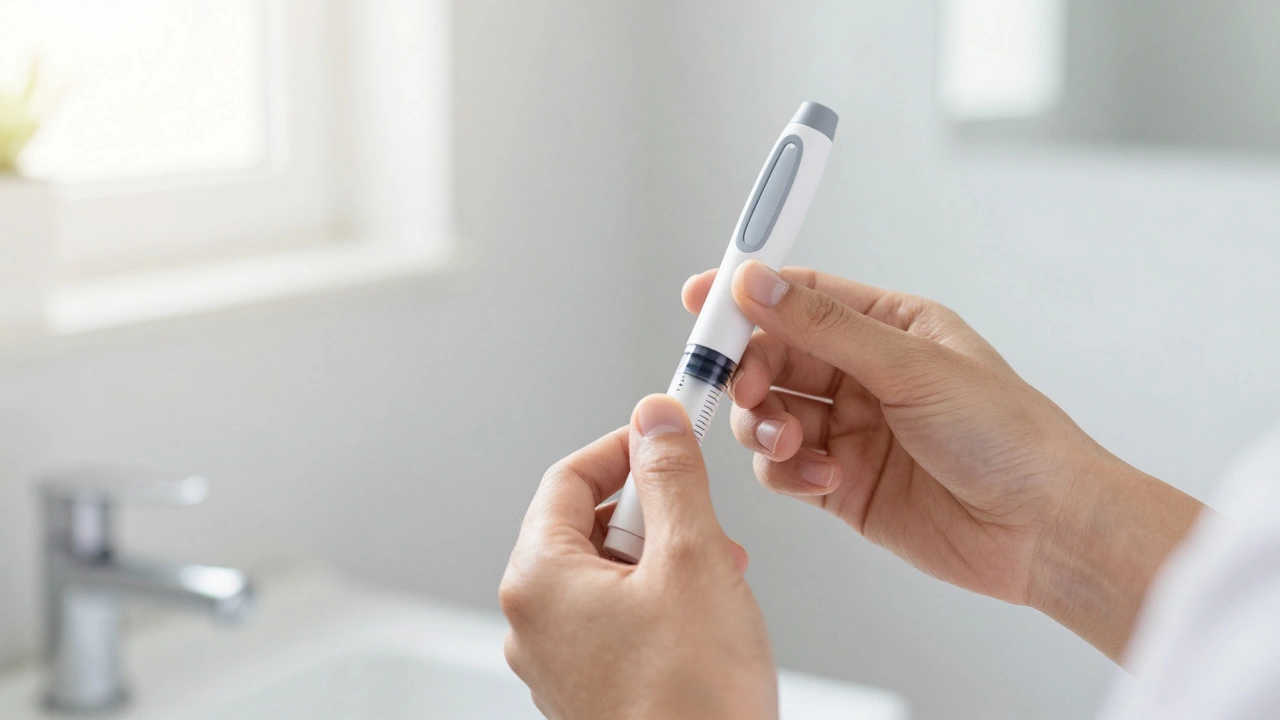
Wegovy 3-Month Weight Loss Estimator
Estimated 90-Day Results
Enter your weight and click calculate to see your personalized estimate.
💡 Why use a percentage?
Weight loss is relative. A 5% loss is 10 lbs for someone at 200 lbs, but 15 lbs for someone at 300 lbs. This tool uses the clinical average of 3% to 8% for the first 3 months.
Key Takeaways
- Average weight loss in the first 3 months usually ranges from 3% to 8% of total body weight.
- The first few months focus on a "dose escalation" phase to minimize nausea.
- Results vary based on diet, activity levels, and how your body reacts to the GLP-1 receptor agonist.
- Muscle loss is a common side effect if protein intake is ignored.
The Reality of the First 90 Days
When you start Wegovy is a medication containing semaglutide, a GLP-1 receptor agonist designed for chronic weight management. Also known as semaglutide injection, it works by mimicking a hormone that targets areas of the brain that regulate appetite and food intake. It is not a "magic shot" that melts fat overnight. Instead, it changes how you feel about food.
In the first three months, most users see a steady decline. For someone starting at 200 pounds, a 5% loss is 10 pounds. For someone at 300 pounds, that same percentage is 15 pounds. Why the percentage? Because weight loss is relative to your starting point. You'll likely notice a quick drop in the first two weeks-this is mostly water weight and a reduction in inflammation as you eat fewer processed carbs and sugars.
However, you have to understand the "ramp-up." You don't start at the full 2.4 mg dose. You start at 0.25 mg and slowly climb. This means your appetite suppression is weakest in month one and strongest by month three. If you feel like the weight isn't moving fast enough in the first 30 days, remember that you are still in the loading phase.
How the Dosage Schedule Affects Your Scale
The way Wegovy is administered is designed to protect your stomach. If you jumped straight to the maximum dose, you'd likely spend your first week in bed with severe nausea. Because of this, your weight loss curve usually looks like a slow slope that gets steeper over time.
| Month | Typical Dose | Primary Effect | Weight Loss Trend |
|---|---|---|---|
| Month 1 | 0.25 mg | Acclimation & Water Loss | Mild to Moderate |
| Month 2 | 0.5 mg | Increased Satiety | Steady Decline |
| Month 3 | 1.0 mg or 1.7 mg | Significant Appetite Suppression | More Pronounced Loss |
By the end of the third month, many people find they have reached a "sweet spot" where they feel full after just a few bites of food. This is where the Wegovy weight loss journey really gains momentum. Some users find they maintain significant loss even before reaching the final 2.4 mg dose, while others need the full dose to see the scale move.
The Role of Semaglutide in Your Body
To understand why you lose weight, you have to understand Semaglutide. This active ingredient is a synthetic version of the human glucagon-like peptide-1 (GLP-1) hormone. It does three main things: it slows down gastric emptying (food stays in your stomach longer), it tells your brain you are full, and it suppresses the "food noise"-those constant thoughts about the next snack.
When your gastric emptying slows, you physically cannot eat as much. This leads to a natural calorie deficit. If you were eating 3,000 calories a day and suddenly feel full at 1,500, the weight will drop rapidly. But here is the catch: if you fight the medication by forcing yourself to eat or consuming high-calorie liquids (like shakes and sodas), you will blunt the results.
It is also worth noting that GLP-1 agonists (the class of drugs Wegovy belongs to) can affect different people differently. Some experience a "non-responder" effect where the weight loss is minimal despite the medication. This is rare but happens, often due to individual metabolic differences or underlying hormonal issues like hypothyroidism.

Avoiding the "Skinny Fat" Trap
One of the biggest mistakes people make in the first three months is focusing only on the number on the scale. When you lose weight this quickly, your body doesn't just burn fat; it also breaks down muscle. This is a phenomenon often called sarcopenia.
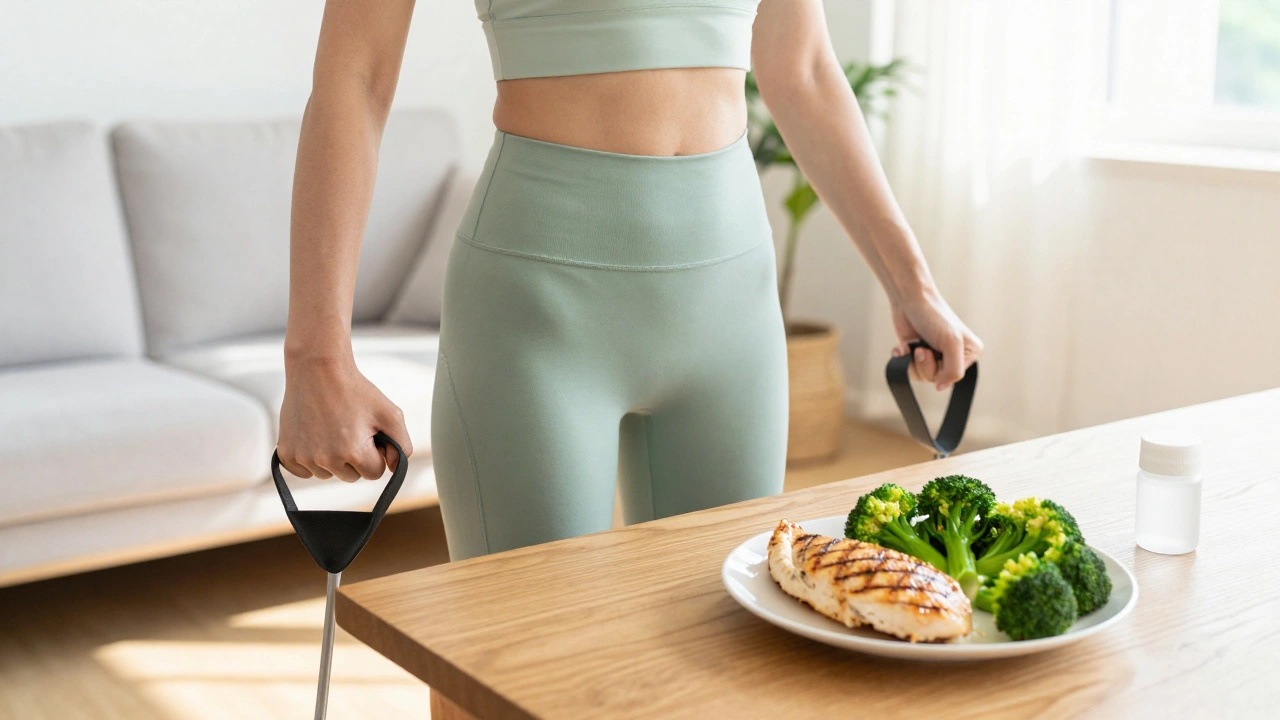
If you lose 20 pounds in 3 months but 8 of those pounds are muscle, your metabolism will actually slow down. This makes it much easier to regain the weight later. To prevent this, you need to prioritize protein. Think of protein as the "shield" for your muscles. Aim for lean sources like chicken breast, tofu, or white fish. If you find yourself unable to eat enough solid food due to nausea, a high-quality whey or plant-based protein shake can be a lifesaver.
Pairing the medication with resistance training-even just basic bodyweight squats or using resistance bands-signals to your body that it needs to keep the muscle and burn the fat instead. A person who lifts weights while on Wegovy will almost always have a better body composition (lower body fat percentage) than someone who only relies on the drug.
Managing the "Wegovy Side Effects" during the First 90 Days
You can't talk about the first three months without talking about the stomach issues. Nausea, constipation, and reflux are common. These often peak right after the injection and fade by the end of the week. If these symptoms are severe, they can actually hinder your weight loss because you might stop eating entirely, leading to fatigue and brain fog.
To keep things moving, focus on hydration. Electrolytes are your best friend here. Because you are eating less and potentially losing water, your sodium and potassium levels can dip, leading to the "GLP-1 headache." Drinking water with a pinch of sea salt or using an electrolyte powder can keep your energy levels up so you can stay active.
Constipation is another hurdle. Since food moves slower through your gut, things can get backed up. Many users find that adding a soluble fiber supplement or increasing their intake of green leafy vegetables helps keep the digestive system regular. If you ignore this, the bloating can make you feel like you aren't losing weight, even when the fat is actually disappearing.
Comparing Wegovy to Other Options
You might be wondering how this compares to other medications or methods. While Ozempic contains the same active ingredient (semaglutide), it is specifically FDA-approved for diabetes, whereas Wegovy is approved specifically for weight loss. The dosage strengths differ, but the mechanism is the same.
Compared to traditional calorie counting, Wegovy is often more effective because it removes the mental struggle of willpower. You aren't "fighting" hunger; the hunger simply isn't there. However, the medication is a tool, not a replacement for a healthy lifestyle. Those who use the first three months to build a habit of walking and eating whole foods see the most sustainable results.
Can I lose 20 pounds in 3 months on Wegovy?
Yes, it is entirely possible, especially for individuals with a higher starting weight. Many users see an average loss of 5% to 10% of their body weight in the first few months. However, this varies based on your dose, diet, and activity level.
What happens if I don't lose weight in the first month?
Don't panic. The first month is usually the 0.25 mg starting dose, which is very low. This dose is meant to prepare your body for the drug, not necessarily to trigger massive weight loss. Most people see a significant increase in results during months two and three as the dose increases.
Is the weight loss mostly fat or muscle?
It is a mix of both. Rapid weight loss often includes muscle loss. To ensure you are losing primarily fat, you must eat a high-protein diet and incorporate strength training into your routine.
Does Wegovy cause permanent weight loss?
The medication helps you lose weight while you are taking it. If you stop the medication without having established permanent dietary and exercise habits, there is a high likelihood of regaining the weight because the appetite suppression disappears.
What are the biggest red flags in the first 3 months?
Severe abdominal pain that doesn't go away could be a sign of pancreatitis, which is a rare but serious side effect. Also, if you experience extreme vomiting that prevents hydration, you should contact your doctor immediately.
Next Steps for Your Journey
If you are just starting, your primary goal should be compliance and health, not just the number on the scale. Track your measurements (waist, hips) and how your clothes fit, as these are often more accurate indicators of fat loss than the scale, which can fluctuate based on water retention.
For those who have already finished their first three months, now is the time to evaluate your maintenance plan. Are you eating enough protein? Are you staying hydrated? If your weight loss has plateaued, discuss a dose increase with your healthcare provider to move toward the 2.4 mg maintenance dose.
Remember that every body is different. Some people are "super-responders" who lose weight rapidly on low doses, while others need the full escalation to see a change. Stay patient, keep your protein high, and focus on the long-term trend rather than the daily fluctuation.