
Therapy vs Counseling Assessment Tool
What best describes your current situation?
Select the option that most closely matches what you're experiencing:
Recent job change, marriage, divorce, new baby, relocation, or other significant life event
Feeling overwhelmed by work demands, deadlines, or professional challenges
Processing the loss of a loved one, relationship ending, or other significant loss
Communication issues with partner, family members, or colleagues
Ongoing feelings of sadness, anxiety, emptiness, or hopelessness affecting daily life
History of traumatic experiences, abuse, accidents, or violence that still affects you
Finding yourself in similar difficult situations, relationships, or thought patterns repeatedly
It is Sunday morning in Bangalore. The traffic on Outer Ring Road is gridlocked, your inbox has forty unread emails from the weekend, and you feel a heavy weight in your chest that won't go away. You know something needs to change. You have heard people talk about "going to therapy" or "seeing a counselor," but you are not sure which one is right for you. Are they the same thing? Do you need a deep dive into your childhood trauma, or just some practical tips to handle stress?
This confusion is common. In casual conversation, we use the words therapy and counseling interchangeably. But in the world of professional mental health care, there are distinct differences in focus, duration, and depth. Understanding these differences helps you make the right choice for your specific situation. You do not need to guess. You can look at your symptoms, your goals, and the type of support you need to decide where to start.
The Core Difference: Depth vs. Direction
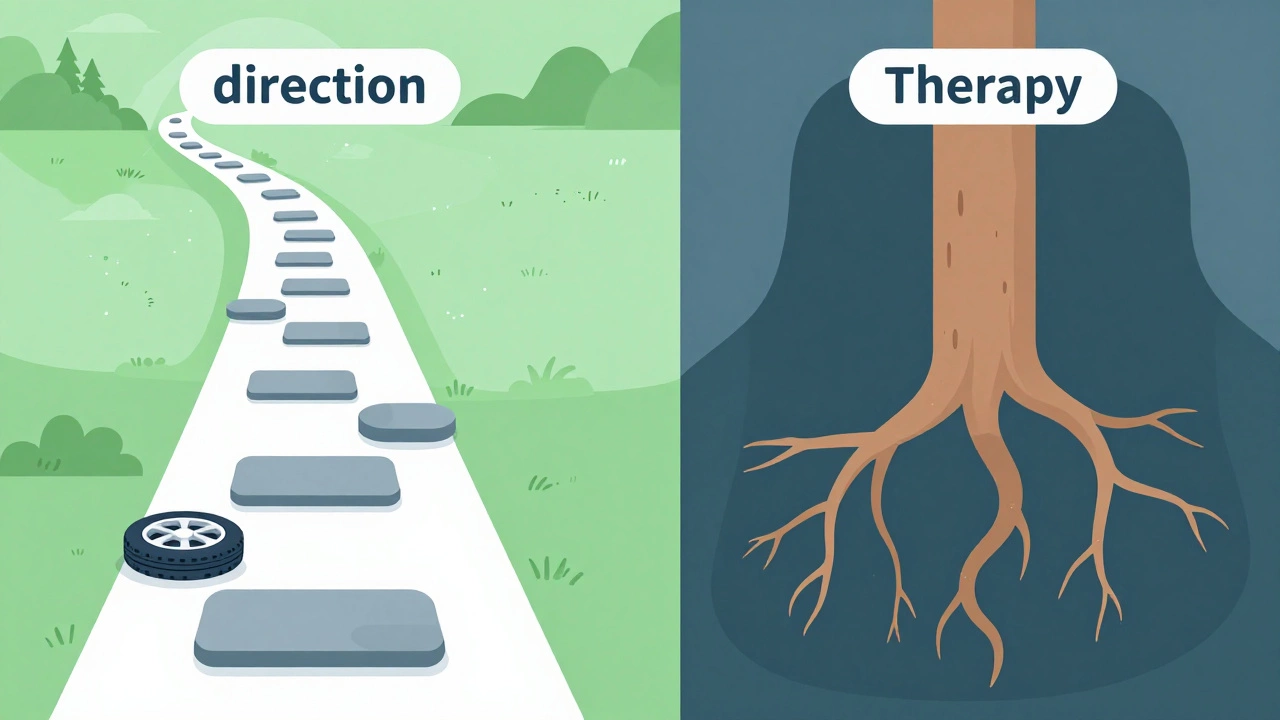
To understand the difference, think of it like this. Counseling is often focused on the present and future. It is solution-oriented. If you are dealing with a specific life transition, a breakup, or workplace stress, a counselor helps you navigate that immediate challenge. They provide tools, strategies, and a safe space to process emotions related to a current event. It is usually short-term. You might go for six to twelve sessions to resolve a specific issue.
Psychotherapy, or simply therapy, tends to dig deeper. It looks at the root causes of your feelings and behaviors. A therapist explores patterns that may have started in childhood or past relationships. They help you understand why you react the way you do. This process is often longer-term. It involves exploring unconscious thoughts and emotional baggage. If counseling is about fixing a flat tire so you can drive again, therapy is about understanding why you keep hitting potholes and how to change your driving habits permanently.
| Feature | Counseling | Therapy (Psychotherapy) |
|---|---|---|
| Focus | Present issues, specific problems | Root causes, deep-seated patterns |
| Duration | Short-term (weeks to months) | Long-term (months to years) |
| Goal | Problem-solving, coping skills | Self-awareness, behavioral change |
| Best For | Grief, career changes, mild anxiety | Trauma, depression, personality disorders |
| Approach | Directive, structured | Exploratory, open-ended |
Signs You Need Counseling
You might benefit most from counseling if you are facing a clear, identifiable stressor. Life throws curveballs. Sometimes, you just need someone to help you catch them. Here are situations where counseling is often the best first step:
- Major Life Transitions: You recently got married, divorced, had a baby, or changed jobs. These events bring excitement but also significant adjustment stress. A counselor can help you set boundaries and manage expectations.
- Grief and Loss: Losing a loved one is painful. Counseling provides a structured way to process grief without getting stuck in it. It helps you honor the loss while continuing to live your life.
- Mild Anxiety or Stress: If you feel overwhelmed by work deadlines or family obligations, a counselor can teach you relaxation techniques and time-management strategies. Cognitive Behavioral Therapy (CBT) techniques are often used here to challenge negative thought patterns.
- Relationship Conflicts: Couples counseling or individual counseling can help improve communication skills. It focuses on solving current arguments rather than analyzing decades of relationship history.
- Addiction Recovery Support: While addiction often requires therapy, counseling plays a huge role in maintaining sobriety. It helps you build a support network and identify triggers in your daily environment.
In India, counseling is increasingly available in corporate settings. Many IT companies in Bangalore offer Employee Assistance Programs (EAPs) that include short-term counseling sessions. This makes it accessible for professionals dealing with burnout or workplace harassment.
Signs You Need Therapy
Therapy is necessary when your struggles affect your daily functioning significantly. If you find yourself unable to get out of bed, constantly worried without a clear reason, or repeating self-destructive behaviors, it is time to consider psychotherapy. Look for these signs:
- Persistent Depression: Feeling sad, empty, or hopeless for more than two weeks. If this mood affects your sleep, appetite, or ability to concentrate, it is likely clinical depression requiring therapeutic intervention.
- Trauma and PTSD: If you have experienced abuse, accidents, or violence, therapy can help process these traumatic memories. Modalities like Eye Movement Desensitization and Reprocessing (EMDR) are specifically designed for trauma.
- Anxiety Disorders: Panic attacks, phobias, or social anxiety that prevents you from living normally. Therapy helps you confront fears gradually and rewire your brain's response to stress.
- Personality Issues: Difficulties in maintaining relationships due to rigid thinking patterns or emotional instability. Conditions like Borderline Personality Disorder require long-term therapeutic support.
- Eating Disorders: Anorexia, bulimia, or binge eating are complex conditions involving psychological factors. Therapy addresses the underlying emotional issues driving disordered eating.
In severe cases, therapy works alongside medication. Psychiatrists prescribe medication to balance brain chemistry, while therapists provide the psychological tools to manage symptoms. This combination is often the gold standard for treating major depressive disorder and bipolar disorder.
Types of Therapies and Counseling Approaches
Not all therapy is the same. Just as there are different types of doctors, there are different approaches to mental health treatment. Knowing these can help you find a provider who matches your style.
Cognitive Behavioral Therapy (CBT): This is one of the most widely used forms of therapy. It focuses on identifying and changing negative thought patterns. CBT is effective for anxiety, depression, and insomnia. It is structured and goal-oriented, making it popular in both counseling and therapy settings.
Psychodynamic Therapy: This approach explores how past experiences influence current behavior. It is less structured than CBT and encourages free association. It is ideal for those who want to understand their deep-seated emotional conflicts.
Humanistic Therapy: Also known as person-centered therapy, this approach emphasizes personal growth and self-actualization. The therapist creates a non-judgmental space for you to explore your feelings. It is supportive and empowering.
Dialectical Behavior Therapy (DBT): Originally developed for borderline personality disorder, DBT teaches mindfulness, distress tolerance, emotion regulation, and interpersonal effectiveness. It is highly practical and skill-based.
Family Systems Therapy: This treats the family as a unit. It recognizes that individual problems often stem from family dynamics. It is useful for resolving conflicts between parents and children or among siblings.
How to Choose the Right Professional
Finding the right fit is crucial. The relationship with your therapist or counselor is one of the strongest predictors of success. Here is how to choose wisely:
- Check Credentials: In India, ensure your provider is registered with the Rehabilitation Council of India (RCI). Look for titles like Clinical Psychologist, Counselor, or Psychotherapist. Avoid unqualified "life coaches" who claim to treat mental health disorders.
- Ask About Experience: Does the professional specialize in your issue? If you are dealing with trauma, ask if they have training in trauma-informed care. If you are struggling with anxiety, ask about their experience with CBT or exposure therapy.
- Schedule a Consultation: Most professionals offer a brief initial consultation. Use this time to ask questions. Do you feel comfortable talking to them? Do they listen actively? Trust your gut feeling.
- Consider Logistics: Where are they located? Do they offer online sessions? What are their fees? Mental health care is an investment, so choose a provider whose rates fit your budget. Some health insurance plans in India now cover mental health services, so check your policy.
- Review Their Approach: Do they explain their methods clearly? Do they involve you in setting goals? A good therapist collaborates with you, not dictates to you.

Overcoming Stigma and Taking the First Step
In many cultures, including parts of India, seeking mental health help carries a stigma. People worry about being judged as "weak" or "crazy." This mindset is outdated and harmful. Mental health is health. Just as you would see a doctor for a broken leg, you should see a professional for a broken spirit.
Remember that asking for help is a sign of strength. It takes courage to acknowledge that you are struggling and to take action. Millions of people worldwide seek therapy and counseling every year. You are not alone. In cities like Bangalore, Mumbai, and Delhi, mental health awareness is growing rapidly. More workplaces are supporting employees' mental well-being, and more families are accepting therapy as a normal part of healthcare.
If you are unsure whether you need therapy or counseling, start with a general practitioner or a primary care physician. They can assess your physical health and refer you to a mental health specialist if needed. Alternatively, you can book an initial session with a licensed counselor. If they determine that your issues require deeper therapeutic work, they will refer you to a psychologist or psychiatrist.
Cost and Accessibility in India
Cost is a valid concern. Private therapy sessions in metropolitan cities can range from ₹1,500 to ₹5,000 per hour. However, there are affordable options. Government hospitals and psychiatric centers offer low-cost or free services. Non-governmental organizations (NGOs) also provide mental health support. Online platforms have made therapy more accessible, offering sliding-scale fees based on income.
Teletherapy has exploded in popularity since the pandemic. It allows you to connect with specialists from anywhere in the country. This is particularly helpful if you live in a smaller town with limited local resources. Ensure the platform uses secure, encrypted video calls to protect your privacy.
Can I switch from counseling to therapy later?
Yes, absolutely. Many people start with counseling for immediate stress relief and then move to therapy for deeper issues. Your counselor can help facilitate this transition by referring you to a suitable therapist.
Is online therapy as effective as in-person sessions?
Research shows that online therapy is equally effective for many conditions, including anxiety and depression. It offers convenience and flexibility. However, for severe crises or certain trauma therapies, in-person sessions might be preferred.
How long does therapy typically last?
There is no fixed timeline. Short-term therapy might last 12-20 sessions. Long-term therapy can continue for months or years. The duration depends on your goals, the complexity of your issues, and your progress.
Do I need a referral to see a therapist?
In private practice, you can directly book an appointment with a therapist or counselor. However, if you are using insurance, you might need a referral from a primary care doctor to get coverage.
What if I don't feel comfortable with my therapist?
The therapeutic alliance is key. If you do not feel heard or respected, it is okay to switch providers. Discuss your concerns with your current therapist first; sometimes addressing the discomfort can strengthen the relationship. If not, seek a new professional.