Telehealth Services: What They Are and How They Work for Skin Care
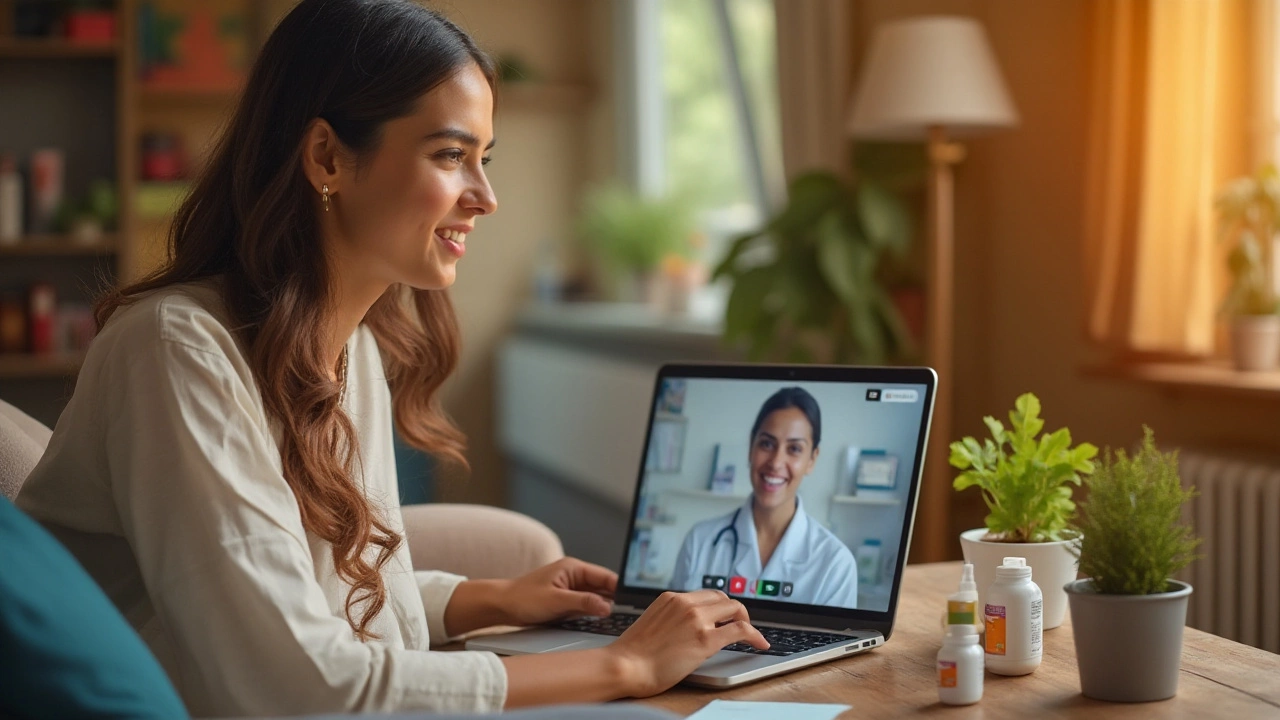
When you need skin care advice but can’t make it to the clinic, telehealth services, a way to get medical care over video or phone without being in the same room as the doctor. Also known as remote dermatology, it lets you show your skin issue to a real dermatologist using your phone or computer. This isn’t just for busy people—it’s for anyone who lives far from a specialist, has trouble taking time off work, or just wants to avoid sitting in a crowded waiting room.
Many skin problems like acne, eczema, rashes, and even early signs of skin cancer can be assessed just by looking at clear photos or a live video call. Your dermatologist can ask about your routine, what products you’re using, how long the issue has been there, and even guide you through a quick self-check. They can then recommend treatments, prescribe medications, or tell you if you need an in-person visit. It’s not magic—it’s practical. And it works. A 2023 study from India’s National Health Authority found that over 70% of routine skin consultations handled through telehealth led to accurate diagnoses and effective treatment plans, with patients reporting high satisfaction.
Telehealth services don’t replace every visit. If you need a biopsy, laser treatment, or a deep skin exam, you’ll still need to come in. But for follow-ups, medication adjustments, or checking if a new rash is getting worse, it cuts out the hassle. You can send a photo of your flare-up before bed and get advice the next morning. No more missing work or driving across Faridabad just to confirm if your moisturizer is working.
It also makes care more personal. You’re in your own space, not a cold clinic. You can show your dermatologist how your skin looks in natural light, right after washing your face, or after using a new product. That kind of real-life context helps them understand your skin better than a rushed 5-minute office visit ever could.
And it’s not just for adults. Parents can show pediatric rashes without dragging a fussy kid to the clinic. Older patients with mobility issues can get consistent care without the stress of travel. Even people who feel embarrassed about their skin—like those with severe acne or psoriasis—often open up more in front of a screen than in a doctor’s office.
What you’ll find in these posts are real stories and facts about how telehealth services are being used right now in India. You’ll see how people managed their eczema from home, how acne treatment plans were adjusted over video calls, and what to expect when you book your first virtual dermatology appointment. Some posts even break down which skin conditions are best handled remotely—and which ones still need your feet in the clinic. No fluff. Just what works, what doesn’t, and how to make the most of your time with a dermatologist—whether you’re sitting across from them or just on a call.
Is Nurx a Trustworthy Online Pharmacy? A Deep Dive
With the rise of remote healthcare solutions, Nurx has gained attention for its convenient approach to prescription services through an online platform. The service promises legitimate prescriptions delivered straight to your home, reducing the need for in-person pharmacy visits. This article explores Nurx's legitimacy, covering its safety measures, range of services, and customer experiences. Find insights into how Nurx navigates the challenges of the modern digital health landscape.
read more