Supplement Quality: What Really Matters and How to Spot Safe Products
When you buy a supplement, a product taken to add nutrients or support health, often sold as pills, powders, or liquids. Also known as dietary supplement, it can feel like a smart choice—until you realize most aren’t tested like medicine. The FDA doesn’t approve supplements for safety or effectiveness before they hit shelves. That means what’s on the label isn’t always what’s inside. One study found nearly 80% of herbal supplements didn’t contain the main ingredient they claimed, and 20% had hidden drugs or toxins. Supplement quality isn’t about branding or price—it’s about what’s actually in the bottle and who made it.
That’s why herbal supplement risks, the dangers of unregulated plant-based products, including contamination, wrong dosing, and dangerous interactions with medications matter so much. Ashwagandha, turmeric, or green tea extract might sound harmless, but if they’re grown in polluted soil, extracted with toxic solvents, or mixed with unlisted pharmaceuticals, they can hurt you. People with thyroid issues, high blood pressure, or those on diabetes meds have ended up in the ER because their "natural" supplement contained hidden stimulants or hormone disruptors. And it’s not just about bad actors—some brands just don’t test their batches. The same brand might have perfect quality one month and contaminated pills the next. supplement safety, the state of a product being free from harmful contaminants, accurately labeled, and properly manufactured isn’t something you can assume. It’s something you have to demand.
Then there’s contaminated supplements, products tainted with heavy metals, pesticides, bacteria, or undeclared drugs like steroids or weight-loss agents. These aren’t rare outliers—they’re common. In 2023, the New York Attorney General’s office pulled 12 supplements off shelves for containing banned substances. One popular weight-loss pill had traces of a prescription antidepressant. Another muscle builder had an unapproved steroid linked to liver damage. These aren’t conspiracy theories. They’re public records. And if you’re buying from a website with no contact info, no third-party testing, or prices that seem too good to be true, you’re playing Russian roulette with your health.
And don’t be fooled by "natural" or "organic" labels. Those terms mean nothing in the supplement world unless they’re certified by a trusted third party like USP, NSF, or ConsumerLab. These organizations test products for what’s listed, what’s missing, and what shouldn’t be there at all. A USP Verified mark doesn’t guarantee the supplement works—but it does mean you’re getting what’s on the bottle. Without it, you’re guessing.
What you’ll find below isn’t a list of the best supplements. It’s a collection of real stories, science, and warnings about what actually goes into the products people trust. From how Ayurvedic herbs can go wrong, to why your "natural" weight-loss pill might be laced with prescription drugs, these posts cut through the noise. You’ll learn what to look for, who to avoid, and how to protect yourself before you swallow another pill. This isn’t about fear—it’s about knowing what you’re really putting in your body.
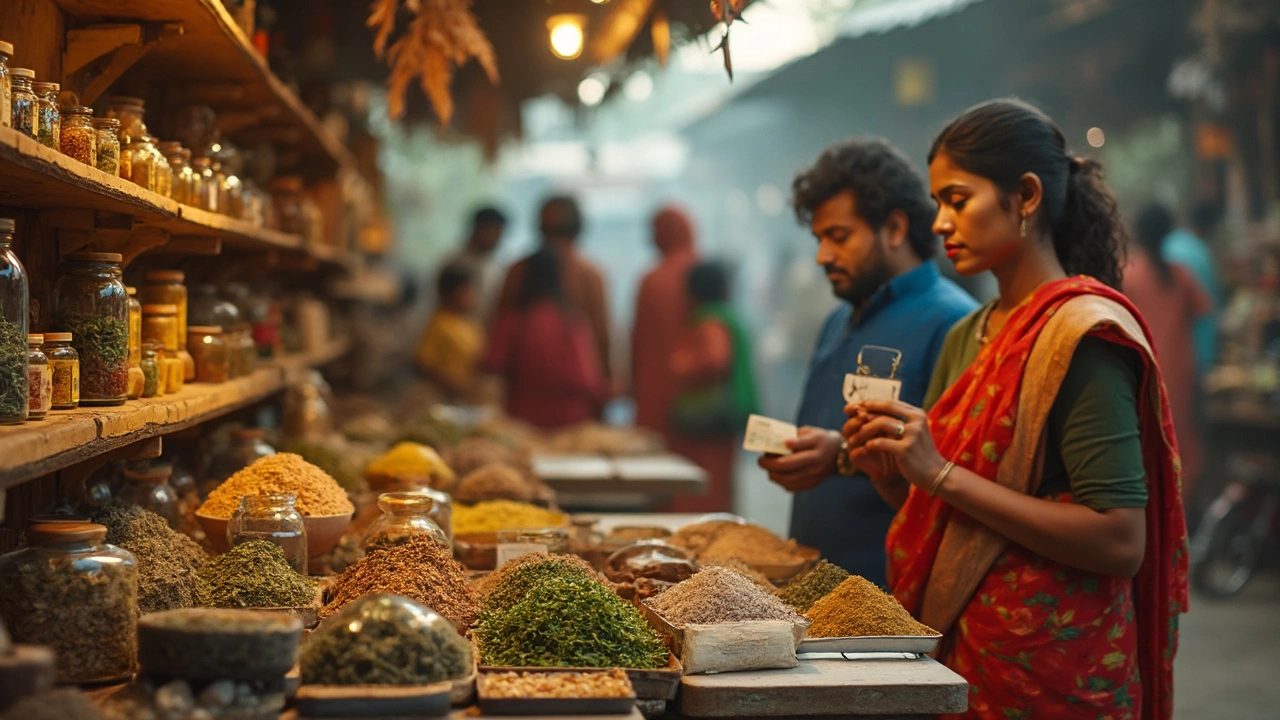
Which Company's Herbal Products Are Best? Picking the Right Supplements for You
Trying to find the best herbal products can feel like looking for a needle in a haystack. This article breaks down what actually makes a brand stand out, highlights top names in the business, and shares real advice on how to check if a supplement is worth your cash. Expect down-to-earth tips for spotting quality ingredients and honest info on which companies others trust. No hype—just facts and practical help for making smart choices.
read more