Panchakarma: Ancient Detox Therapy and What It Really Does for Your Skin
When you hear Panchakarma, a traditional Ayurvedic detoxification system from India that uses herbal oils, massage, and internal cleansing to remove toxins. Also known as Ayurvedic detox, it's been used for over 5,000 years to reset the body’s balance and support natural healing. Today, many people turn to it not just for general wellness, but because they’re struggling with stubborn skin issues like acne, eczema, or dullness that don’t respond to regular creams or cleansers.
Panchakarma isn’t a single treatment—it’s a full process made up of five main therapies: Vamana, therapeutic vomiting to clear excess mucus and toxins from the upper body, Virechana, purgation to cleanse the intestines and liver, Basti, medicated enemas that target the colon and nervous system, Nasya, nasal administration of herbal oils to clear head and sinus congestion, and Raktamokshana, bloodletting to remove impurities from the bloodstream. While not all five are used on everyone, most skin-focused programs include Virechana and Basti because they directly affect digestion and liver function—two major players in skin health.
Here’s the thing: your skin doesn’t live in a vacuum. If your gut is backed up, your liver is overloaded, or your lymphatic system is sluggish, those toxins don’t just disappear—they show up on your face as breakouts, redness, or flakiness. That’s why so many people who’ve tried every acne cream on the market still see no change. Panchakarma doesn’t treat the skin directly—it clears the internal mess that’s causing the skin to react. Think of it like cleaning a clogged drain instead of just wiping up the water.
Modern studies are starting to back this up. One 2021 trial found that patients with chronic eczema who completed a 14-day Panchakarma program saw a 65% reduction in symptoms, with results lasting beyond three months. Another small study on acne showed improved liver enzyme levels and lower inflammatory markers after treatment. It’s not magic—it’s physiology. When your body stops storing toxins, your skin stops being the dumping ground.
But Panchakarma isn’t for everyone. It’s intense. You need to be in good enough health to handle it. If you’re pregnant, very weak, or have heart or kidney disease, it’s not safe. And it’s not a quick fix—you can’t do it once and expect perfect skin forever. It’s a reset button, not a daily routine. That’s why it’s often paired with long-term lifestyle changes: eating seasonal foods, sleeping early, and avoiding stress.
What you’ll find in the posts below aren’t ads or hype. They’re real discussions about how Ayurvedic practices like Panchakarma connect to hair loss, herbal remedies, and even modern medicine. You’ll see what actually works, what’s overhyped, and how to tell the difference. No fluff. Just what you need to know before deciding if this ancient system can help your skin today.
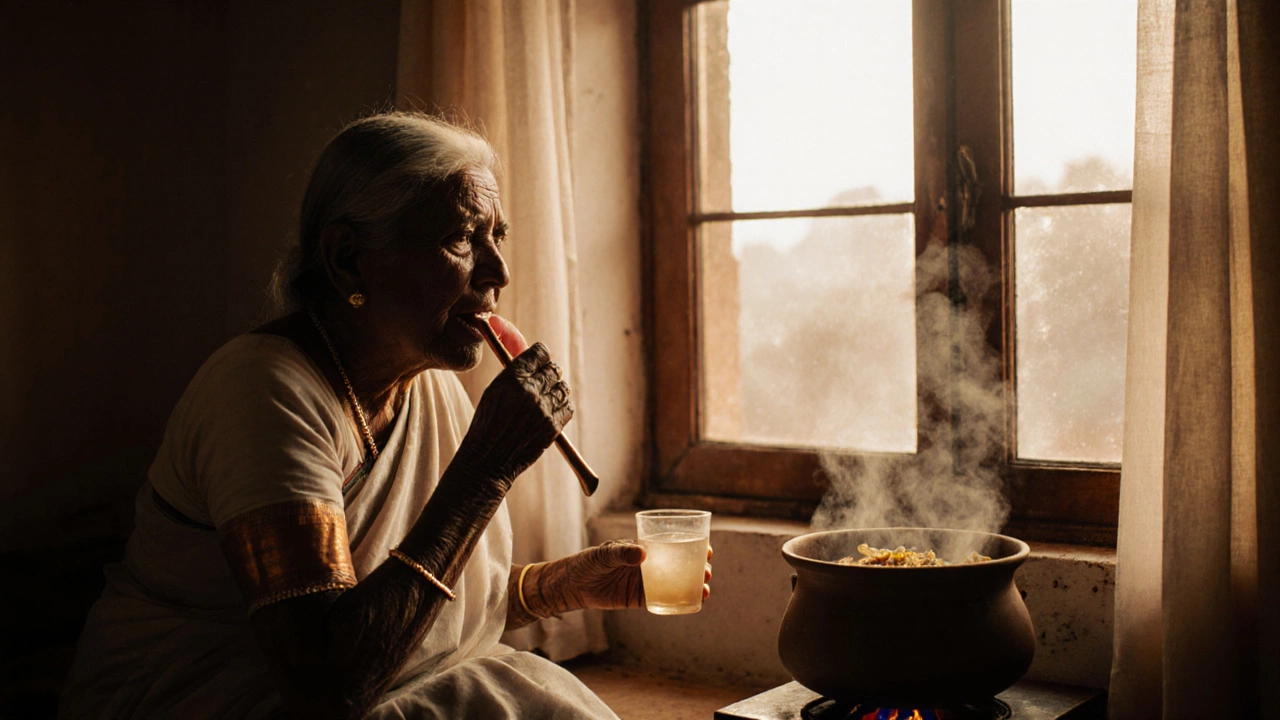
How to Detox According to Ayurveda: A Simple, Seasonal Guide
Learn how to detox safely and effectively using Ayurvedic principles-tailored to your body type, with a simple 7-day plan, dosha-specific tips, and what to avoid. No fasting, no shakes, just natural rhythm.
read more