Nonverbal Cues Therapy: How Body Language Shapes Healing and Communication
When someone says nonverbal cues therapy, a therapeutic approach that focuses on interpreting and using body language, facial expressions, and physical gestures to support emotional healing. It’s not about what people say—it’s about what they don’t say, but their body screams. Think of a patient sitting stiffly in a chair, arms crossed, eyes darting away. They might say they’re fine. But their posture? That’s the real story. This is where nonverbal communication, the exchange of messages without words, including tone, eye contact, posture, and gestures becomes the backbone of effective therapy. In fact, studies show that over 70% of emotional meaning in human interaction comes from nonverbal signals, not speech. A therapist trained in this space doesn’t just listen—they watch. They notice how a client’s hands tremble when talking about family, or how their shoulders drop the moment they mention a certain name. These aren’t random movements. They’re clues.
Therapeutic communication, the intentional use of verbal and nonverbal techniques to build trust and encourage emotional expression in clinical settings isn’t just for psychologists. It’s used by dermatologists too. Why? Because skin conditions like acne, eczema, and psoriasis are deeply tied to stress, shame, and social anxiety. A patient with severe acne might avoid eye contact, pull their hood up, or speak in whispers. That’s not just shyness—it’s a cry for help. Recognizing those cues lets a doctor move beyond prescribing creams and start addressing the emotional toll. Even in a skin clinic, facial expressions in therapy, the use of micro-expressions and emotional displays to gauge psychological state during clinical interactions matter. A slight grimace when talking about a breakup might reveal a hidden trigger for flare-ups. A forced smile when asked about sleep? That’s insomnia talking. These signals don’t lie. And when a therapist or doctor learns to read them, treatment becomes more personal, more precise, and far more effective.
Nonverbal cues therapy isn’t magic. It’s observation. It’s patience. It’s asking the right questions after noticing what’s left unsaid. You don’t need a psychology degree to start paying attention—you just need to look. And listen with your eyes. In the posts below, you’ll find real-world examples of how body language, silence, and subtle physical habits connect to skin health, mental wellness, and even the way people respond to treatments like Ayurveda or weight loss plans. Some of these stories are about patients who never said a word about their anxiety… but their skin screamed it for them.
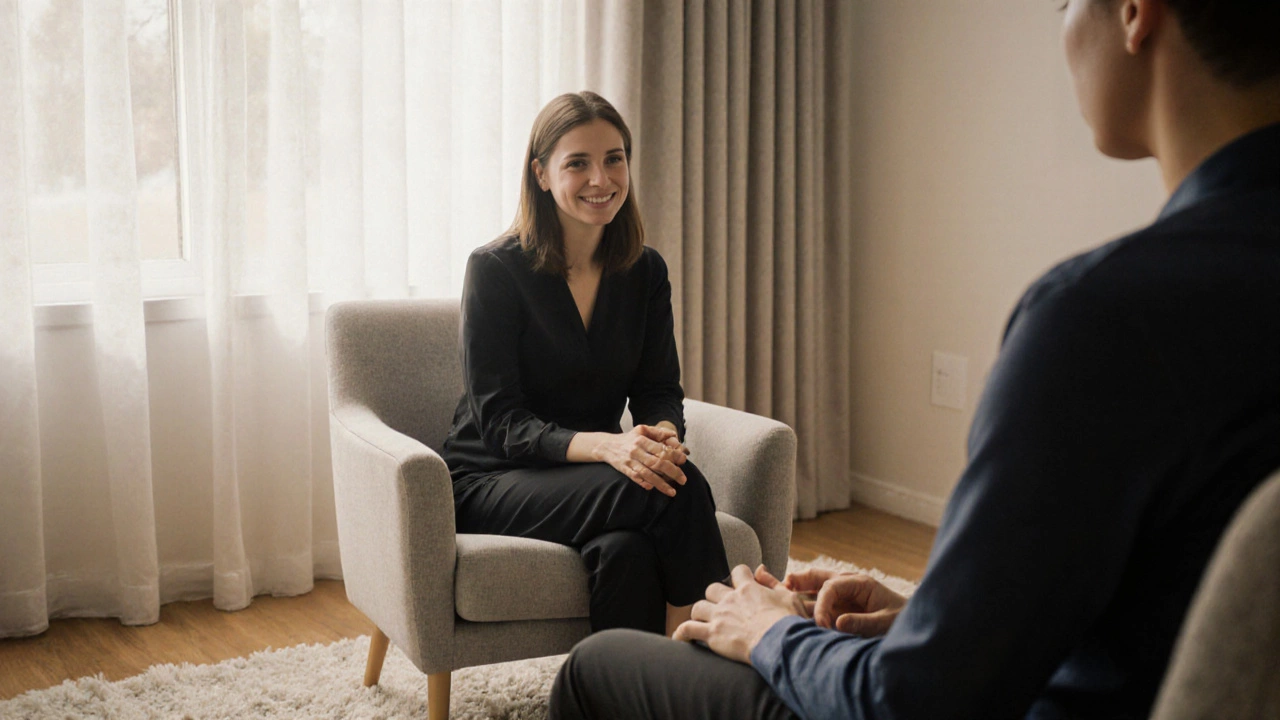
Why Does My Therapist Watch My Hands? Understanding Hand Gestures in Therapy
Explore why therapists focus on hand movements, learn what gestures reveal, and discover how this awareness improves therapy outcomes.
read more