Implant Downsides: What No One Tells You About Dental and Medical Implants
When you hear about implants, permanent medical or dental devices inserted into the body to replace missing tissue or function. Also known as prosthetic implants, they’re often sold as a one-time fix for missing teeth, joint damage, or other bodily losses. But behind the glossy ads and confident claims, there’s a quieter side most people never see. Implants aren’t magic. They’re hardware. And like any hardware, they can fail, cause problems, or need more work than you planned for.
The biggest dental implant failure, when an implant doesn’t bond properly with bone or becomes loose over time isn’t always about bad surgery. It’s often about what happens after. People think once the implant is placed, they’re done. But without proper implant care, daily hygiene and professional checkups needed to maintain implant health, bacteria can build up, gums recede, and bone starts to melt away. A 2023 study in the Journal of Clinical Periodontology found nearly 1 in 5 implants showed signs of bone loss within 10 years—not because the implant broke, but because the surrounding tissue wasn’t protected. And if you smoke, have diabetes, or don’t brush well? Your risk jumps fast.
It’s not just teeth. implant risks, potential complications like infection, nerve damage, or rejection following any surgical implant procedure show up in hips, knees, even breast implants. Infection rates are low, but when they happen, they’re messy. Some people need multiple surgeries just to remove an infected implant. And the cost? Insurance rarely covers the full repair. Then there’s the hidden cost: time. Recovery isn’t a week off work. It’s months of restrictions, follow-ups, and waiting for your body to accept something foreign.
What’s rarely mentioned? Implants don’t feel like your real tissue. They don’t respond to pressure like natural teeth. You can’t feel hot or cold the same way. And if you get an infection or fail, replacing it isn’t as simple as swapping a battery. Bone grafts, longer healing, higher costs—it adds up. And if you’re young, you’re looking at possibly replacing the same implant two or three times in your life.
That doesn’t mean implants are bad. For many, they’re life-changing. But you need to know the full picture before you say yes. The implant downsides aren’t rare. They’re real, documented, and often preventable—if you’re informed. Below, you’ll find real stories, science-backed facts, and practical advice on how to spot trouble early, avoid common mistakes, and make sure your implant lasts as long as it should—without costing you more than it’s worth.
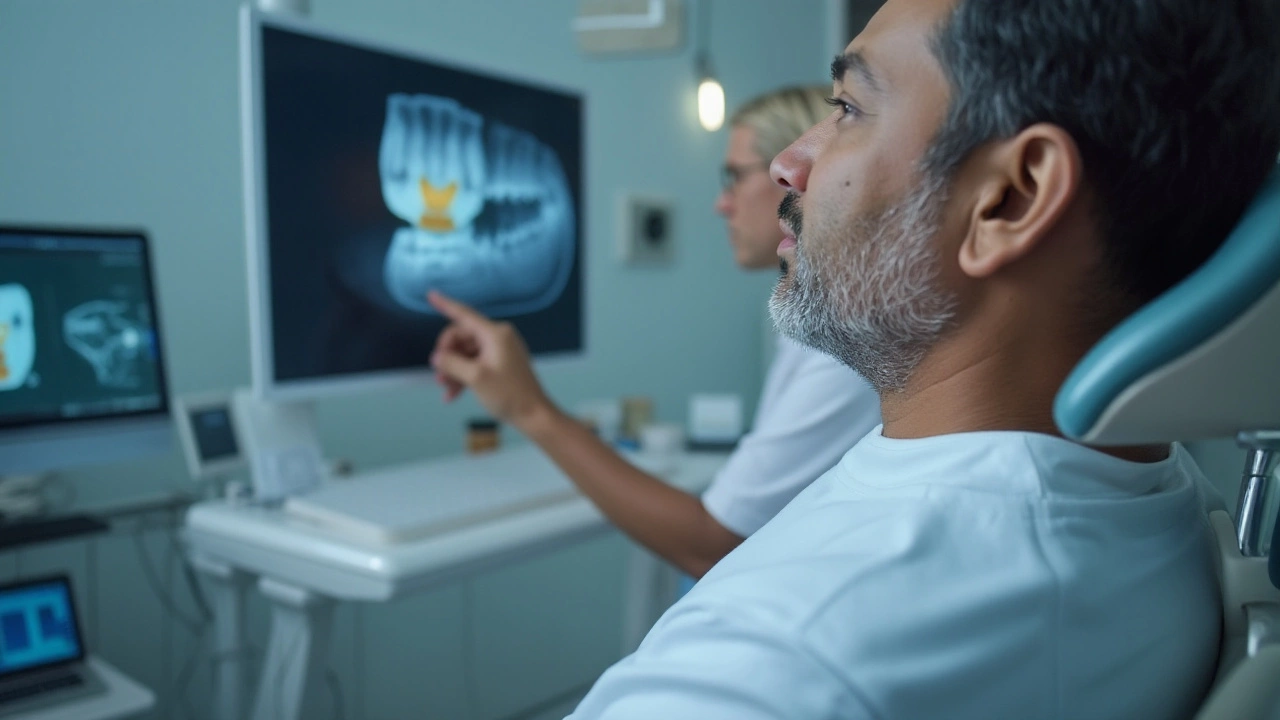
Understanding the Cons of Dental Implants
While dental implants have become a popular solution for missing teeth, it's important to be aware of the potential downsides that come with them. This article explores the risks and complications associated with dental implants, including the potential for infection or implant failure. Additionally, it discusses the financial considerations and the prolonged recovery time that may be required. Tips for mitigating these risks are also provided to help patients make informed decisions about their oral health.
read more