Herbal Supplement Disadvantages: Risks You Can't Ignore
When you reach for a herbal supplement, a plant-based product marketed as a natural way to boost health, energy, or immunity. Also known as natural remedy, it’s often seen as safer than prescription drugs. But that’s a dangerous myth. Just because something comes from a plant doesn’t mean it’s harmless. Many people assume herbal supplements are gentle and risk-free—but that’s not true. These products can cause serious side effects, interfere with medications, and even damage your liver or heart.
Take ashwagandha, an adaptogen commonly used for stress and sleep. Also known as Indian ginseng, it’s popular in Ayurveda. But it’s not safe for everyone. People with thyroid issues, autoimmune diseases, or those on blood pressure meds can end up in the ER. Same goes for green tea extract, a weight loss favorite linked to liver failure in some users. Even something as simple as St. John’s Wort, a go-to for mild depression. Also known as hypericum, it can make birth control, antidepressants, and even chemotherapy drugs useless—or deadly. These aren’t rare cases. Studies show herbal supplements cause over 20,000 emergency visits in the U.S. every year.
And here’s the kicker: most herbal supplements aren’t tested like real medicine. The FDA doesn’t review them for safety or effectiveness before they hit shelves. Labels lie. Ingredients are missing. Contaminants like heavy metals or prescription drugs show up in products labeled "pure." You might think you’re taking turmeric for inflammation, but what you get could be laced with steroids or banned stimulants. That’s why herbal supplement disadvantages aren’t just theoretical—they’re happening right now, to people who trusted the word "natural."
Who’s Most at Risk?
If you’re on medication, pregnant, over 65, or have a chronic condition like diabetes or heart disease, you’re already at higher risk. Herbal supplements don’t play nice with blood thinners, diabetes drugs, or antidepressants. Even common ones like ginger or garlic can thin your blood too much before surgery. And if you’re buying online from a site you found on Instagram? You’re gambling with your health.
The posts below don’t sugarcoat it. They show you exactly which herbs raise blood pressure, which ones clash with your meds, and who should avoid them—no fluff, no marketing hype. You’ll see real cases, real science, and real warnings. Skip the guesswork. Know what you’re putting in your body before it puts you in harm’s way.
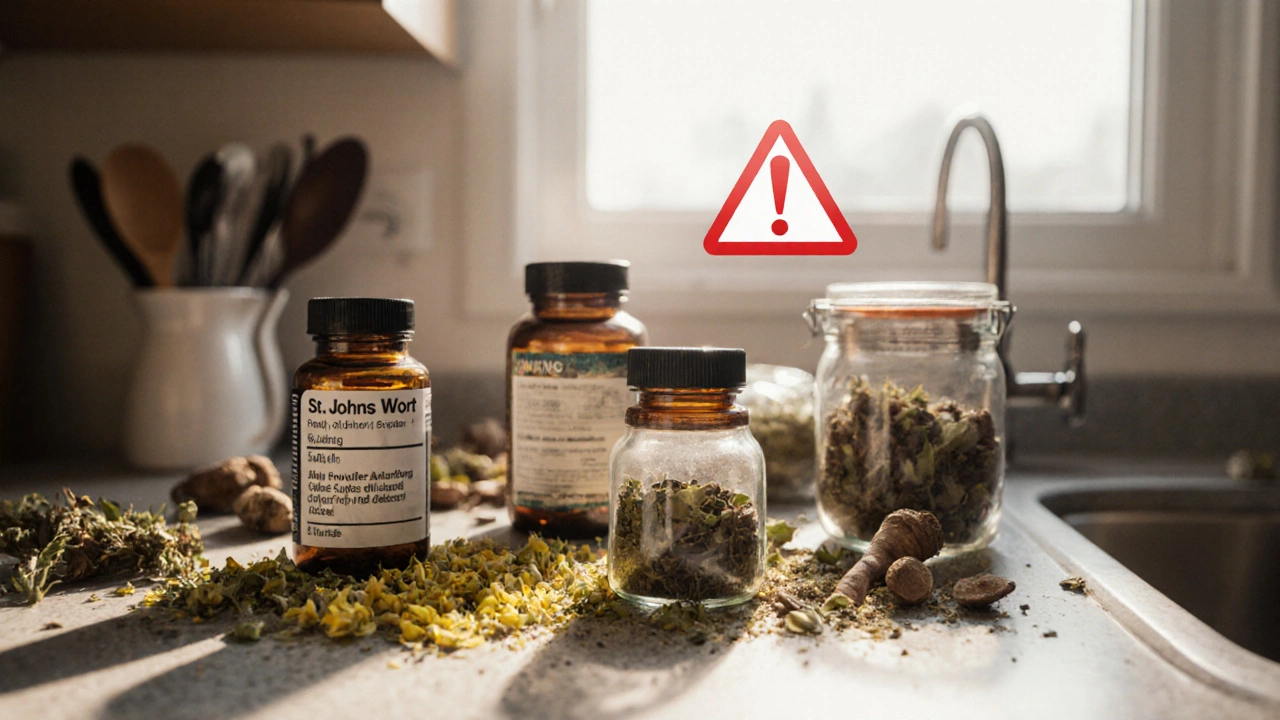
Herbal Supplements: Major Disadvantages You Must Know
Discover the hidden risks of herbal supplements, from contamination and inconsistent dosing to dangerous drug interactions and side effects. Learn how to choose safer products and protect your health.
read more