Heart Surgery Recovery: What Really Happens After the Operation
When you or someone you love has heart surgery, a medical procedure to repair or replace damaged heart tissue, valves, or blood vessels. Also known as open-heart surgery, it’s not the end of the journey—it’s just the beginning of a slower, deeper healing process. Many people think once the stitches are out, they’re fine. But the truth is, the body needs months to truly recover. Your heart may be fixed, but your muscles, lungs, and energy levels still need time to catch up.
Cardiac rehabilitation, a structured program of exercise, education, and support after heart surgery is one of the most powerful tools you have. It’s not optional—it’s essential. Studies show people who stick with rehab cut their risk of another heart event by nearly 30%. This isn’t about running marathons. It’s about walking 10 minutes a day, learning how to lift safely, and understanding your limits. Your doctor won’t always spell this out, but if you don’t ask for rehab, you’re leaving recovery to chance.
Recovery isn’t just physical. It’s emotional too. Feeling tired, anxious, or even depressed after surgery is common. You might feel guilty for needing help, or frustrated that you can’t do what you used to. That’s normal. The body just went through a major trauma. Sleep might be broken. Appetite might vanish. And that’s okay. What’s not okay is ignoring these signs. Talking to someone—a counselor, a support group, even a friend who’s been through it—can make all the difference.
Then there are the complications you need to watch for. A little swelling? Normal. Fever over 101°F? Call your doctor. Sudden shortness of breath? Don’t wait. Chest pain that feels like pressure? Get help immediately. These aren’t scare tactics—they’re facts. The first 30 days after surgery are the most critical. After that, progress slows but continues for up to a year. Most people return to work between 6 and 12 weeks, depending on the job. Driving? Usually 4 to 6 weeks. Lifting anything heavier than 10 pounds? Wait at least 8 weeks.
Medications are another big part of recovery. You’ll likely be on blood thinners, beta-blockers, or statins long after you leave the hospital. Skipping doses because you feel fine is a mistake. These drugs aren’t just for today—they’re for protecting your heart for years. And yes, they can have side effects. Talk to your doctor about them. Don’t just suffer in silence.
And don’t forget your diet. No more fried food, salty snacks, or sugary drinks. Your heart just got a second chance. Don’t waste it. Focus on vegetables, lean protein, whole grains, and healthy fats. You don’t need a fancy plan—just consistency. Small changes, day after day, add up to a stronger heart.
What you’ll find below are real stories and facts from people who’ve been through this. Not the glossy brochures. Not the perfect Instagram recovery posts. The messy, slow, frustrating, and ultimately hopeful truth about getting back on your feet after heart surgery. Whether you’re asking how long it takes to walk without help, why your hands swell, or whether you can have sex again—these posts have the answers. No fluff. Just what works.
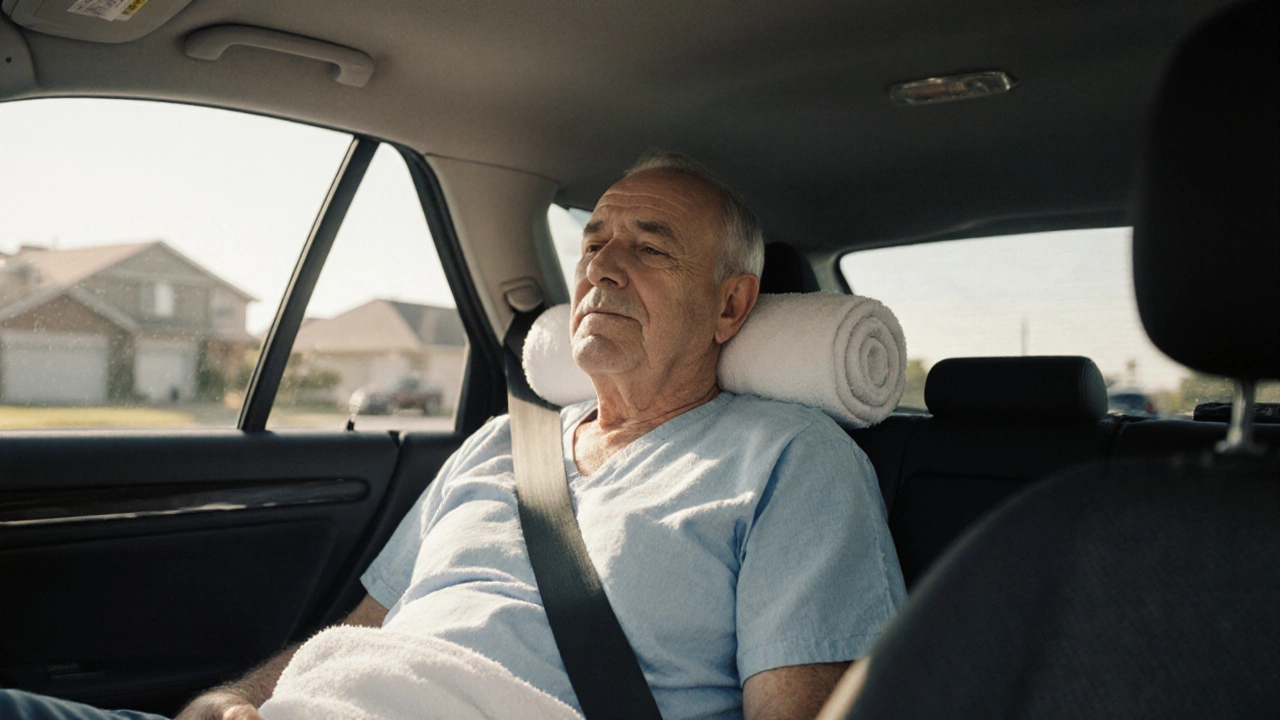
How Long After Open-Heart Surgery Can You Travel by Car?
After open-heart surgery, car travel depends on healing, not just time. Learn when it's safe to ride as a passenger or drive again, what to watch for, and how to travel safely without risking your recovery.
read more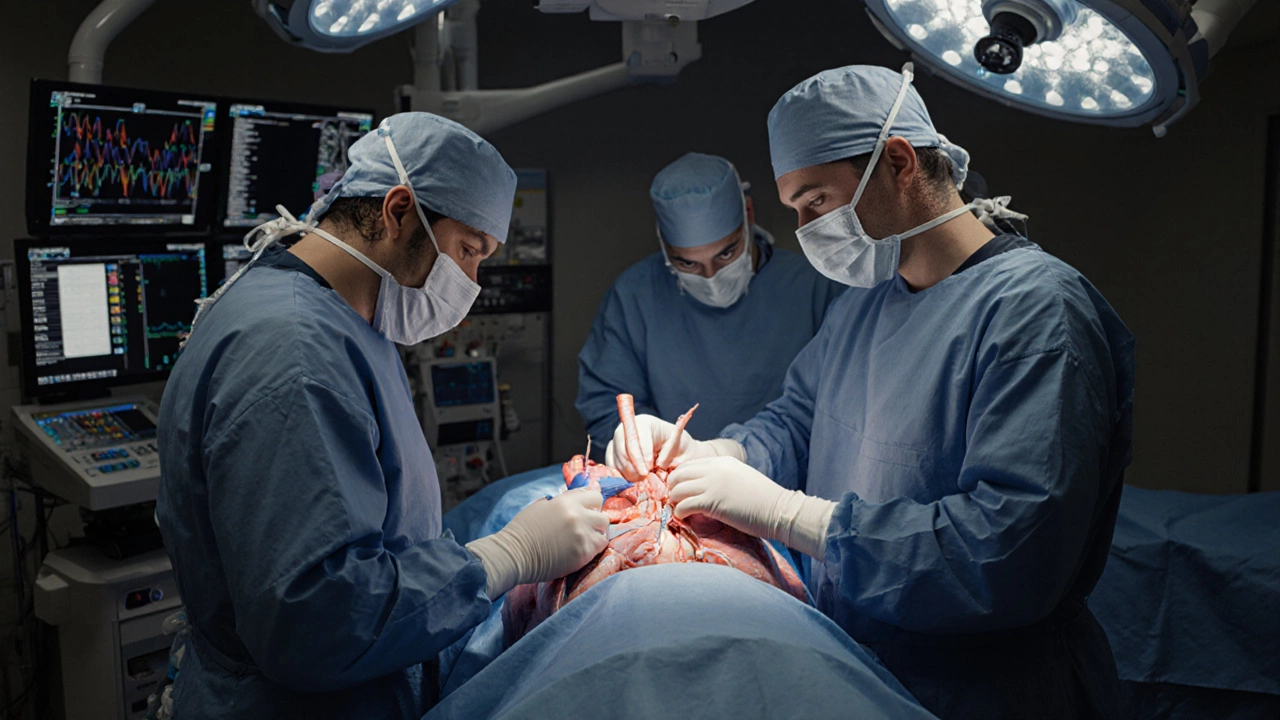
How Many Hours Does a Heart Surgery Last? Real Times for Common Procedures
Heart surgery times vary widely-from 3 hours for a simple valve repair to 8 hours for a transplant. Learn the real duration of common procedures like bypass, valve replacement, and minimally invasive options.
read more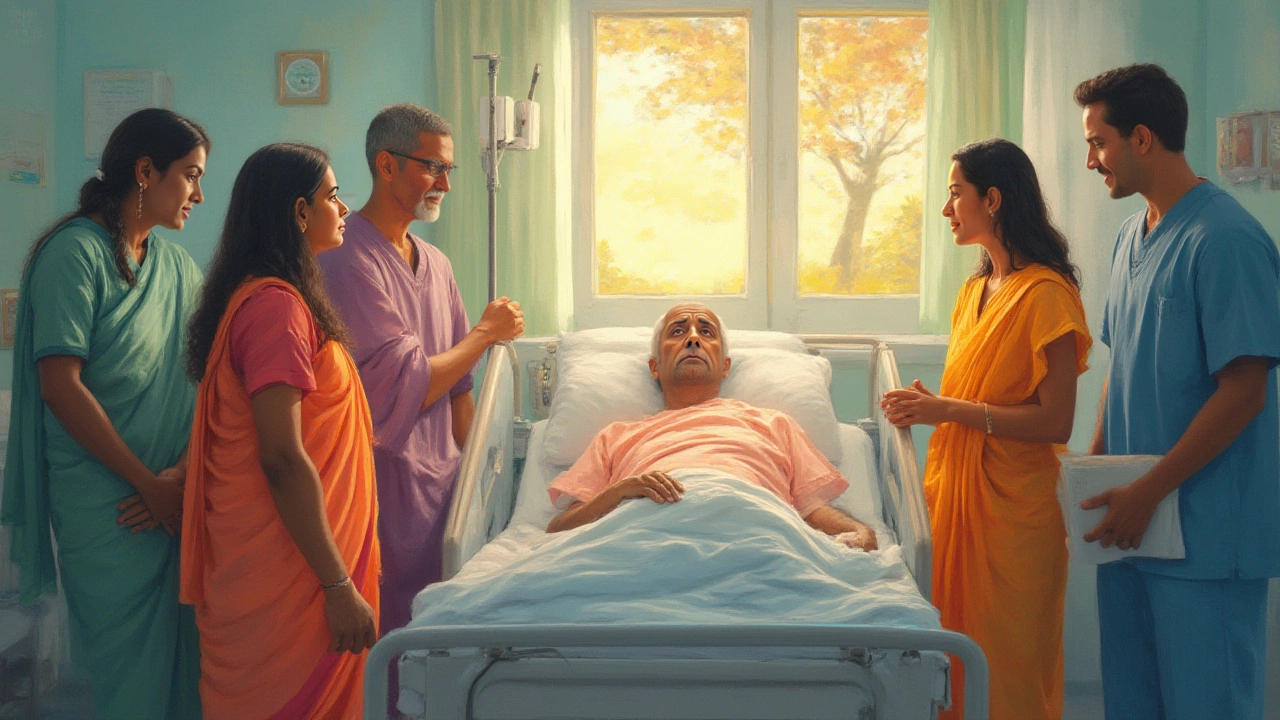
How Long Do You Stay in Hospital After Open-Heart Surgery? Real Recovery Timelines & Tips
Explore how long hospital stays usually last after open-heart surgery, what happens in recovery, and tips for a smoother healing process. Real facts and clear answers.
read more
Personality Changes After Open-Heart Surgery: Causes, Facts, and What to Expect
Explore why personality changes can appear after open-heart surgery, the science behind it, and real tips to cope. Facts, causes, and what patients and families need to know.
read more
Home Essentials After Open Heart Surgery
Recovering from open heart surgery can be challenging, but with the right home setup, it becomes easier. This guide provides practical tips for creating a recovery-friendly environment. Learn what essentials you'll need at home, and how to navigate the post-surgery phase effectively. From mobility aids to emotional support, get the insights you need to ease your transition.
read more