Exfoliation: What It Is, Why It Matters, and How to Do It Right
When you think about exfoliation, the process of removing dead skin cells from the surface of the skin to reveal smoother, brighter skin underneath. Also known as skin resurfacing, it’s one of the most basic yet overlooked steps in skin care. Most people wash their face daily, but washing doesn’t cut it—dead skin builds up, clogs pores, and makes skin look dull. Exfoliation is what actually clears that buildup. It’s not a luxury. It’s a necessity if you want your skin to look and feel its best.
There are two main types: physical exfoliation, using scrubs, brushes, or tools to manually slough off dead cells, and chemical exfoliation, using acids like AHAs or BHAs to dissolve dead skin without scrubbing. Physical exfoliation works fast—you can feel the difference right away—but it’s easy to go too hard and irritate skin. Chemical exfoliation is gentler and deeper, working below the surface to unclog pores and improve texture over time. Many people think exfoliation is only for acne or oily skin, but dry, aging, or even sensitive skin can benefit too—if done right.
How often should you do it? That depends on your skin type and the method. If you’re using a strong chemical exfoliant like glycolic acid, once or twice a week is enough. If you’re using a gentle scrub, three times a week might be fine. Overdoing it strips your skin’s natural barrier, leading to redness, dryness, or breakouts. And never exfoliate if your skin is sunburned, freshly peeled, or reacting to a new product. The goal isn’t to scrub until your skin stings—it’s to reveal healthier skin, not damage it.
Exfoliation also makes everything else you put on your skin work better. Serums, moisturizers, even sunscreen absorb more effectively when dead skin isn’t blocking the way. That’s why dermatologists often recommend it as part of a daily routine, not just a weekly treat. But here’s the catch: exfoliation alone won’t fix acne, dark spots, or wrinkles. It’s a supporting player, not the star. You still need sunscreen, hydration, and the right active ingredients to see real results.
What you’ll find in the posts below isn’t a list of products or brand recommendations. It’s real, practical advice from people who’ve tried different methods, made mistakes, and learned what actually works. Some posts talk about natural alternatives like sugar scrubs or fruit enzymes. Others dive into how acids affect different skin types. You’ll see what happens when people over-exfoliate, and how to fix it. You’ll learn why some exfoliants are better for aging skin, and why others are a bad idea for sensitive skin. There’s no fluff. Just what you need to know to make exfoliation work for you—not against you.
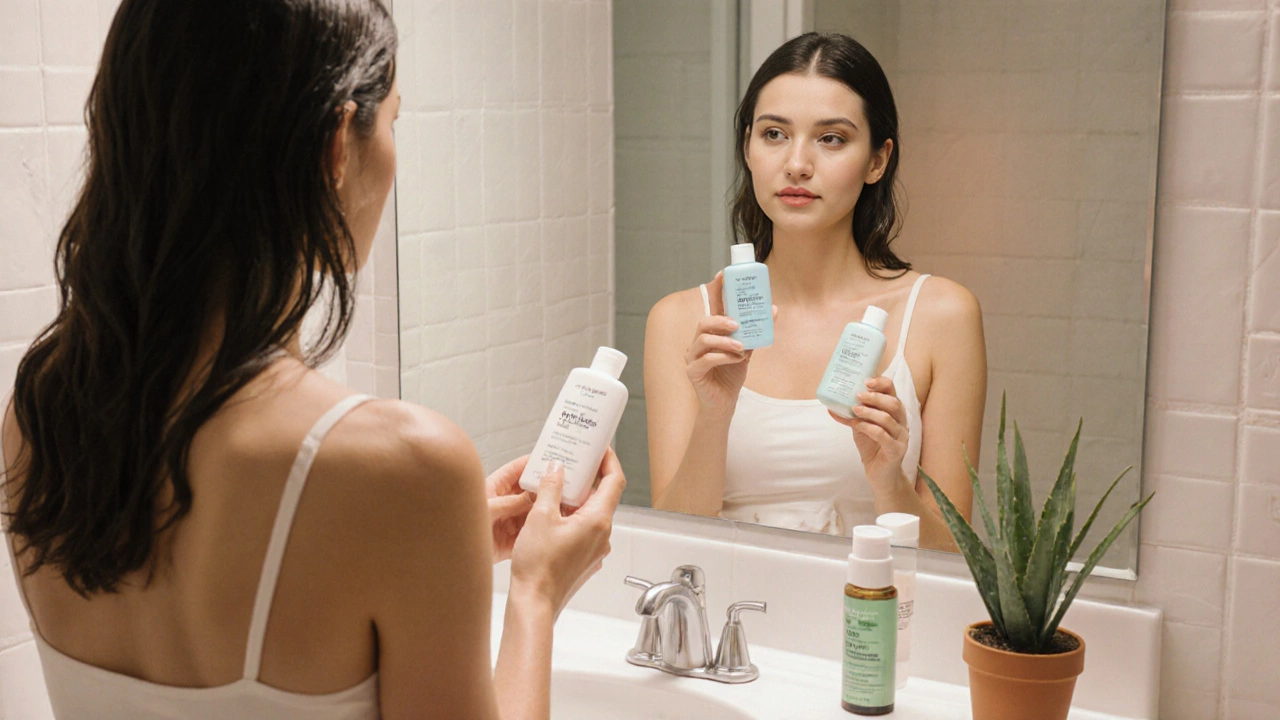
Basic Skincare Treatments Explained
Learn the essential skincare treatments-cleansing, exfoliation, moisturising, sun protection and more-to build a simple, effective routine for healthier skin.
read more