Early Detection: Why Catching Skin and Cancer Risks Early Saves Lives
When it comes to early detection, the practice of identifying health issues before they become serious. Also known as early diagnosis, it’s not just a medical buzzword—it’s the single most effective way to stop skin cancer, diabetes complications, and aggressive tumors before they spread. Many people wait until they’re in pain or see a visible change, but by then, it’s often too late. The truth? Most deadly cancers and chronic skin conditions grow silently for months—or even years—before symptoms become obvious.
Skin cancer, a group of cancers that start in the skin’s outer layer, is one of the easiest to catch early if you know what to look for. A mole that changes shape, bleeds without injury, or grows darker isn’t just a blemish—it’s a warning. Similarly, early cancer detection, the process of finding cancer before it causes symptoms for lung, pancreatic, or breast cancer relies on regular screenings and knowing your body. Studies show that when melanoma is caught before it spreads, the survival rate jumps to over 99%. But if it’s missed, that number drops below 30%. That’s not a gamble you want to take.
It’s not just about cancer. Conditions like psoriasis, eczema, and even hidden diabetes can show up first on your skin. A persistent rash, unexplained dryness, or dark patches in skin folds might be your body’s way of saying something’s off inside. That’s why routine check-ups with a dermatologist aren’t just for acne or wrinkles—they’re for catching what you can’t see yourself.
You don’t need fancy tools or expensive tests. Sometimes, all it takes is five minutes a month to check your skin in the mirror, track changes in your body, and ask questions when something feels off. The posts below cover real cases, science-backed signs, and simple steps you can take right now to protect your health. From spotting the first warning of aggressive cancers to understanding how early skin changes can signal deeper problems—you’ll find clear, no-fluff advice from people who’ve been there.
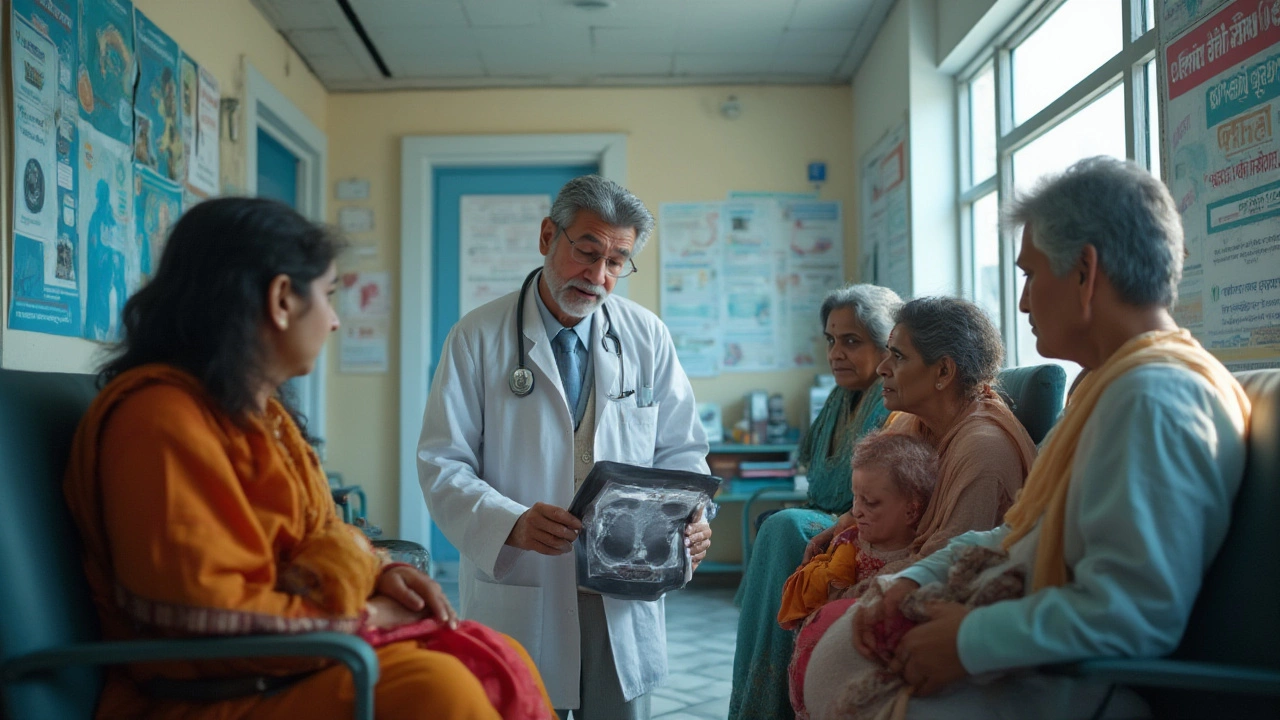
Fastest Killing Cancer: Symptoms, Causes, Survival Rates & Facts
Learn about the fastest killing cancer, why it's so aggressive, its symptoms, survival statistics, causes, and how early detection can impact outcomes. Get real facts.
read more