Dental Implants Lifespan: How Long Do They Last and What Affects Them?
When you get a dental implant, a titanium post surgically placed into the jawbone to replace a missing tooth root. Also known as tooth implant, it’s designed to last a lifetime—but only if you treat it right. Many people assume once the implant is in, the job is done. That’s not true. The implant itself can last 25 years or more, but the crown on top? That might need replacing every 10 to 15 years. What really matters isn’t just the hardware—it’s what’s happening around it.
Your jawbone is alive. If you don’t keep it stimulated, it starts to shrink. That’s why people who lose teeth and don’t replace them often end up with sunken cheeks or loose dentures. A dental implant stops that by acting like a natural root. But if you smoke, grind your teeth, or skip regular cleanings, the bone around the implant can break down. This is called peri-implantitis, and it’s the #1 reason implants fail. It’s not rare. Studies show up to 20% of implants develop some level of bone loss within 10 years if care is ignored.
Then there’s the crown—the visible part. It’s made of porcelain or zirconia, which is strong but not indestructible. Chewing ice, using your teeth as tools, or clenching at night can crack or wear it down. A good nightguard can double its life. And don’t forget gum health. Healthy gums are the foundation. If your gums are inflamed from poor brushing, the implant doesn’t stand a chance. You need to brush twice a day, floss around the implant daily, and get professional cleanings every 6 months. No exceptions.
Age doesn’t matter as much as habits. A 70-year-old who doesn’t smoke and cleans well often has better implant success than a 30-year-old who skips flossing. Diabetes, osteoporosis, and certain medications can slow healing, but they don’t rule out implants—just require more planning. Your dentist needs to know your full medical history before placing one.
Most people focus on cost upfront. But the real cost is what happens later. One failed implant, plus bone grafting, plus a new crown? That’s more than double the original price. Taking care of it now saves money, pain, and hassle down the road.
Below, you’ll find real stories, expert tips, and science-backed advice on what actually keeps dental implants working for decades—and what quietly kills them before their time.
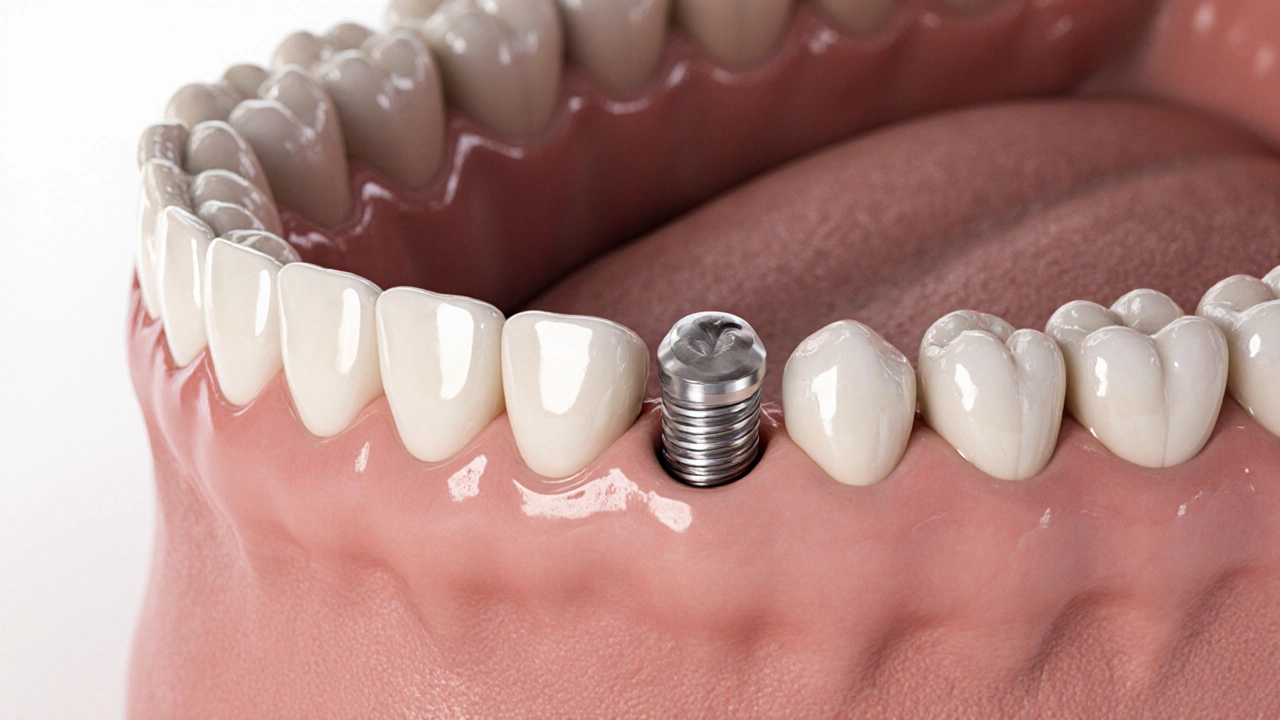
How Long Do Dental Implants Last? Real-World Lifespan and What Affects Them
Dental implants can last 20 to 30 years or longer with proper care. Learn what affects their lifespan, how to prevent failure, and why maintenance matters more than the initial cost.
read more