Dangerous Herbs: Risks, Side Effects, and What to Avoid
When people think of dangerous herbs, plant-based substances sold as supplements that can cause serious harm when misused. Also known as toxic botanicals, they’re often mistaken for safe because they’re natural—but that’s not true. Many of these herbs interact badly with prescription drugs, spike blood pressure, or damage your liver, and people don’t realize it until it’s too late.
Take ashwagandha, an adaptogen commonly used for stress and sleep. It’s popular, but it’s not safe for everyone. People with thyroid disorders, autoimmune diseases, or those on sedatives or blood pressure meds can have dangerous reactions. Then there’s herbs that raise blood pressure, natural compounds like licorice root, ephedra, and yohimbine that can push systolic numbers dangerously high. These aren’t just theoretical risks—real patients end up in ERs because they didn’t know their tea or capsule was a hidden trigger.
Herbal supplements aren’t regulated like drugs. That means what’s on the label isn’t always what’s inside. One batch might have the right dose of St. John’s Wort; the next could be laced with heavy metals or hidden pharmaceuticals. And when you combine multiple herbs—say, turmeric with ginger and ginkgo—you’re playing Russian roulette with your liver and kidneys. The herbal drug interactions, when botanicals interfere with how your body processes medications like blood thinners, diabetes pills, or antidepressants. These aren’t rare edge cases—they happen every day, often unnoticed until something goes wrong.
You might think, "But my grandma used this for generations." That’s true—traditional use doesn’t equal modern safety. Our bodies, diets, and medications have changed. What was harmless in 1950 might be risky today when paired with metformin, statins, or even a daily multivitamin. And if you’re managing a chronic condition—diabetes, heart disease, depression—herbs aren’t a backup plan. They’re a wildcard.
There’s no such thing as a completely risk-free herb. Even something as simple as green tea can interfere with iron absorption or worsen anxiety in sensitive people. The key isn’t to avoid all herbs—it’s to know which ones could hurt you, based on your health, meds, and lifestyle. That’s why we’ve gathered real cases, science-backed warnings, and clear red flags from posts that actually help people avoid harm.
Below, you’ll find honest, no-fluff breakdowns of the herbs that surprise people with their danger—not because they’re exotic, but because they’re common. You’ll learn who should never take them, what symptoms to watch for, and what safer alternatives actually work. No hype. Just what you need to stay safe while still using nature wisely.
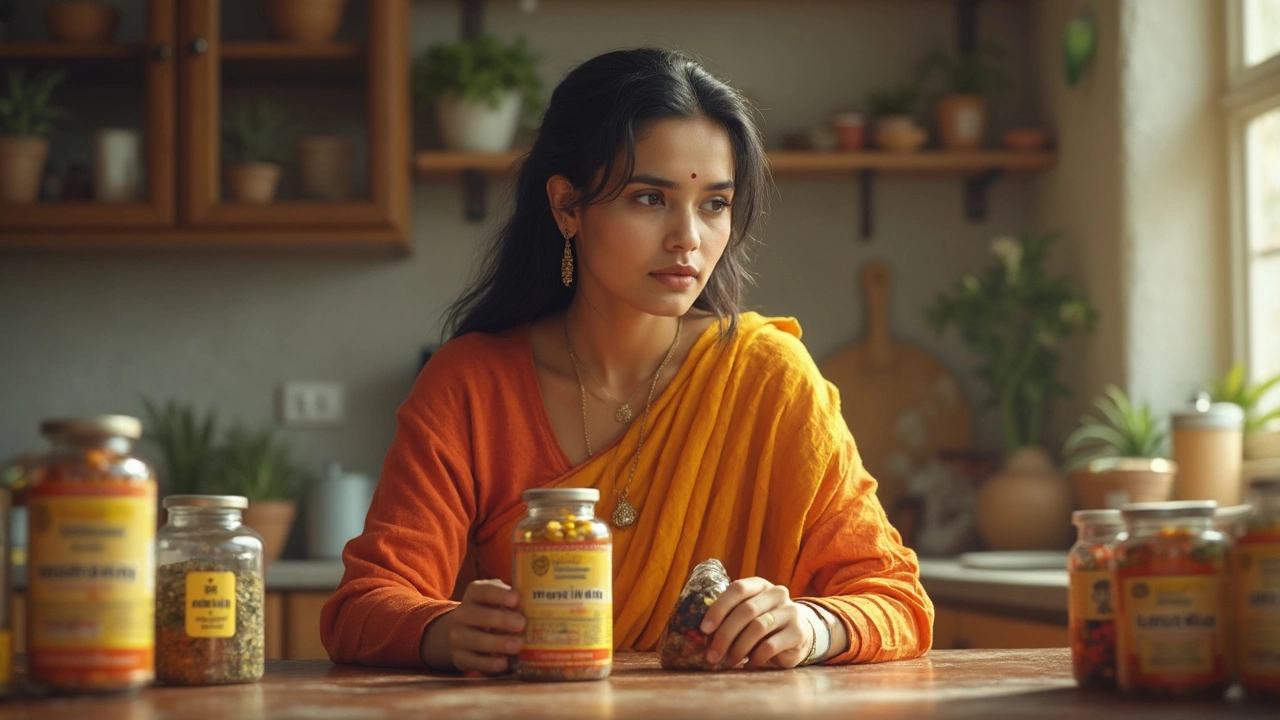
What Herbs Should You Not Mix Together? Avoiding Bad Herbal Combos
Mixing herbs isn't always safe. Some combinations can mess with your health or make each other useless. This article breaks down which herbal combos to avoid, explains what happens if you ignore these warnings, and offers tips to stay safe with herbal supplements. Learn the facts before you add another herb to your morning routine. Knowledge could save you a real headache—or worse.
read more