Chemo Patient: What You Need to Know About Treatment, Side Effects, and Support
When someone becomes a chemo patient, a person undergoing chemotherapy for cancer treatment. Also known as cancer patient on chemo, it means entering a phase where the body is under constant stress from powerful drugs designed to kill fast-growing cells—both cancerous and healthy. This isn’t just about medicine. It’s about fatigue that doesn’t go away after sleeping, nausea that hits at random times, hair falling out in clumps, and the quiet fear that comes with every doctor’s appointment.
Being a chemo patient means dealing with more than physical changes. Your immune system slows down, making even a cold risky. You might lose your appetite, or find food tastes like metal. Some people feel numbness in their hands or feet. Others struggle with brain fog—forgetting names, losing focus, feeling like their thoughts are underwater. These aren’t side effects you can just "push through." They’re real, measurable, and vary wildly from person to person. A chemotherapy side effect like neuropathy might last months after treatment ends. Another, like hair loss, might be temporary but emotionally crushing. And then there’s the cancer recovery phase—when the chemo stops but your body still needs time to heal, and your mind still needs time to catch up.
What helps? Not magic pills. Not trendy supplements. It’s small, consistent things: staying hydrated even when you don’t feel like it, eating small meals when you can, walking around the house if you can’t walk outside, and talking to someone who’s been there. Support groups, even online ones, make a difference. So does having someone who remembers to bring soup, not just sympathy. And while chemotherapy support often focuses on nurses and doctors, the real lifelines are often the people who show up—without asking, without fixing, just being there.
The posts below come from real experiences and medical facts. You’ll find what actually works for managing fatigue, what herbs to avoid during chemo, how to talk to your kids about your treatment, and why some people recover faster than others—not because they’re stronger, but because they adapted smarter. This isn’t about hope. It’s about knowing what to expect, and how to move forward when your body feels like it’s been through a war.
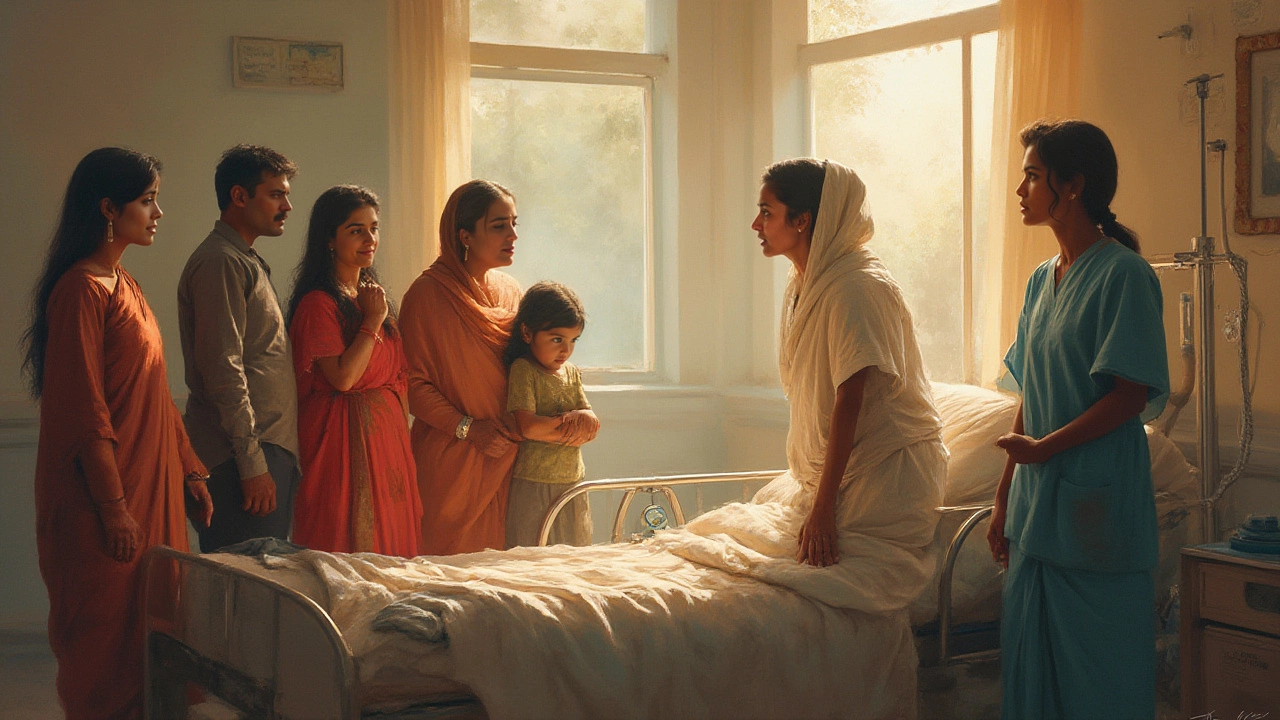
Why Can't You Touch a Chemo Patient? Debunking Myths Around Chemotherapy Safety
Confused about why touching chemo patients is often cautioned against? Get the real facts on chemotherapy safety, infection risks, and how to support loved ones.
read more