Aggressive Cancer Types: Fast-Spreading Forms and What You Need to Know
When we talk about aggressive cancer types, cancers that grow and spread rapidly, often before symptoms appear. These are not the slow-moving kinds you hear about in early-screening campaigns—they strike fast, hide well, and demand urgent action. Unlike some cancers that can be caught early with routine checks, aggressive types often show up at advanced stages because they don’t wait for warning signs. That’s why knowing which ones to watch for isn’t just helpful—it’s life-saving.
Lung cancer, a leading cause of cancer deaths worldwide, often spreads to the brain, bones, or liver before it’s found. Pancreatic cancer, called the silent killer because it rarely causes pain until it’s too late. And liver cancer, often linked to long-term liver damage from hepatitis or alcohol. These aren’t just statistics—they’re real, fast-moving threats that catch people off guard. What makes them so dangerous isn’t just how fast they grow, but how little they reveal until it’s too late. A cough that won’t go away. Unexplained weight loss. Belly pain that comes and goes. These aren’t normal. They’re red flags.
There’s no single test that catches all of these early, but awareness helps. If you’ve got a history of smoking, heavy drinking, chronic liver disease, or a family history of cancer, you’re in a higher-risk group. That doesn’t mean you’ll get it—but it means you should pay attention to your body and push for answers if something feels off. Early detection doesn’t always mean cure, but it often means more options, less pain, and more time.
The posts below cover what’s actually out there—real stories, real data, and real advice on the deadliest cancers and how they’re being fought today. You’ll find facts on survival rates, treatment breakthroughs, and the hidden risks most people never hear about. No fluff. No guesswork. Just what you need to know to understand the most aggressive forms of cancer—and what you can do about them.
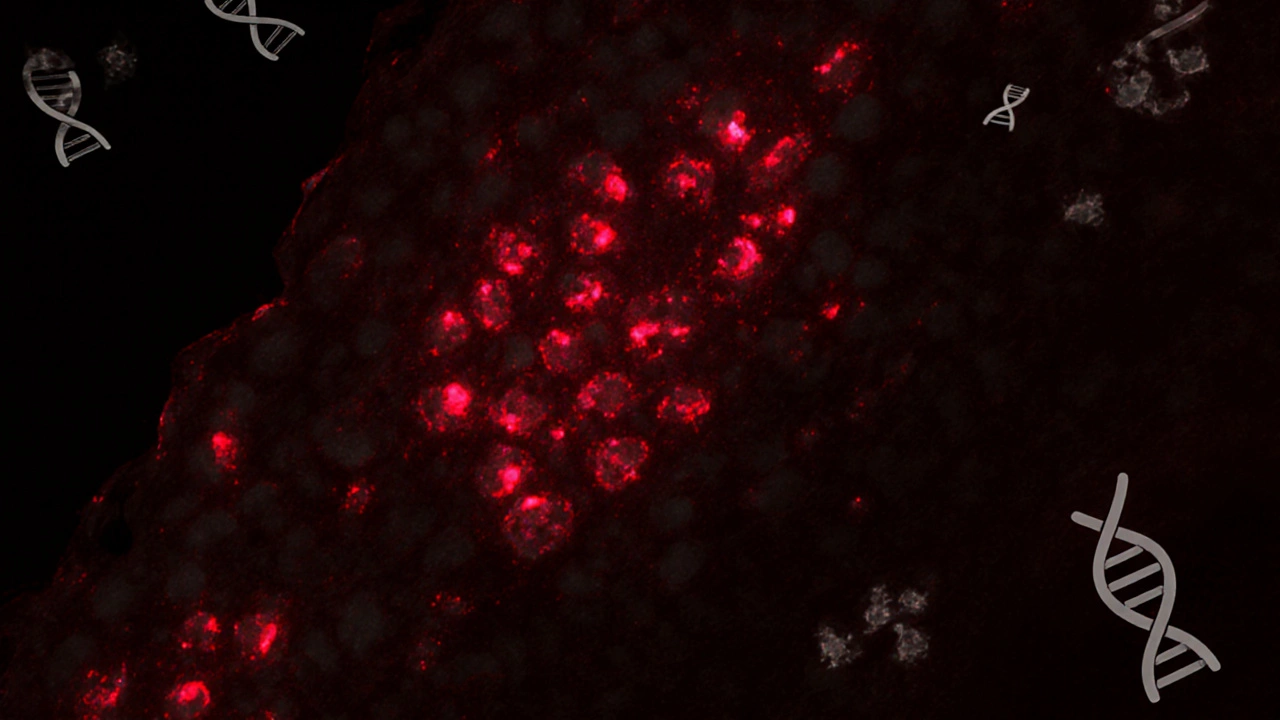
Which Cancer Is the Most Aggressive? Facts, Stats & Early Detection
Learn which cancers are the most aggressive, see survival stats, and discover early detection and treatment strategies to boost chances of survival.
read more
Understanding the Rapid Progression of Aggressive Cancers
Cancer is a daunting word, yet some forms are notably swift in their progression. This article delves into the types of cancers known for their fast-acting nature, exploring the reasons behind their rapid spread. Understanding these aggressive cancers is crucial for timely diagnosis and effective treatment strategies. The article provides insights into various cancers, considerations for quicker medical interventions, and the latest treatment approaches. Knowledge is instrumental in making informed decisions in the fight against this formidable disease.
read more