Knee Replacement Activity Checker
Select an activity below to see its impact level and medical recommendation based on standard orthopedic guidelines.
Road Running
High ImpactJogging or sprinting on pavement/asphalt.
Basketball / Volleyball
High ImpactJumping, pivoting, and aggressive stops.
Golf
Moderate ImpactSwinging and walking the course.
Hiking
Moderate ImpactWalking on trails with elevation changes.
Cycling
Low ImpactStationary or outdoor biking.
Walking
Low ImpactFlat terrain or gentle hills.
Swimming
Zero ImpactPool swimming or water aerobics.
Elliptical Machine
Low ImpactRunning motion without ground impact.
Yoga & Pilates
Moderate ImpactControlled stretching and strengthening.
You just got your new knee. The pain is gone, you’re walking better than you have in years, and life feels open again. But then the surgeon drops a line that sticks with you for decades: "There are some things you simply cannot do anymore." It’s not about being fragile; it’s about protecting the hardware inside your leg. If you’ve had a knee replacement or are considering one, understanding the permanent restrictions isn’t just medical advice-it’s your roadmap to keeping that joint working for the next 15 to 20 years.
The Hardware Reality: Why Limits Exist
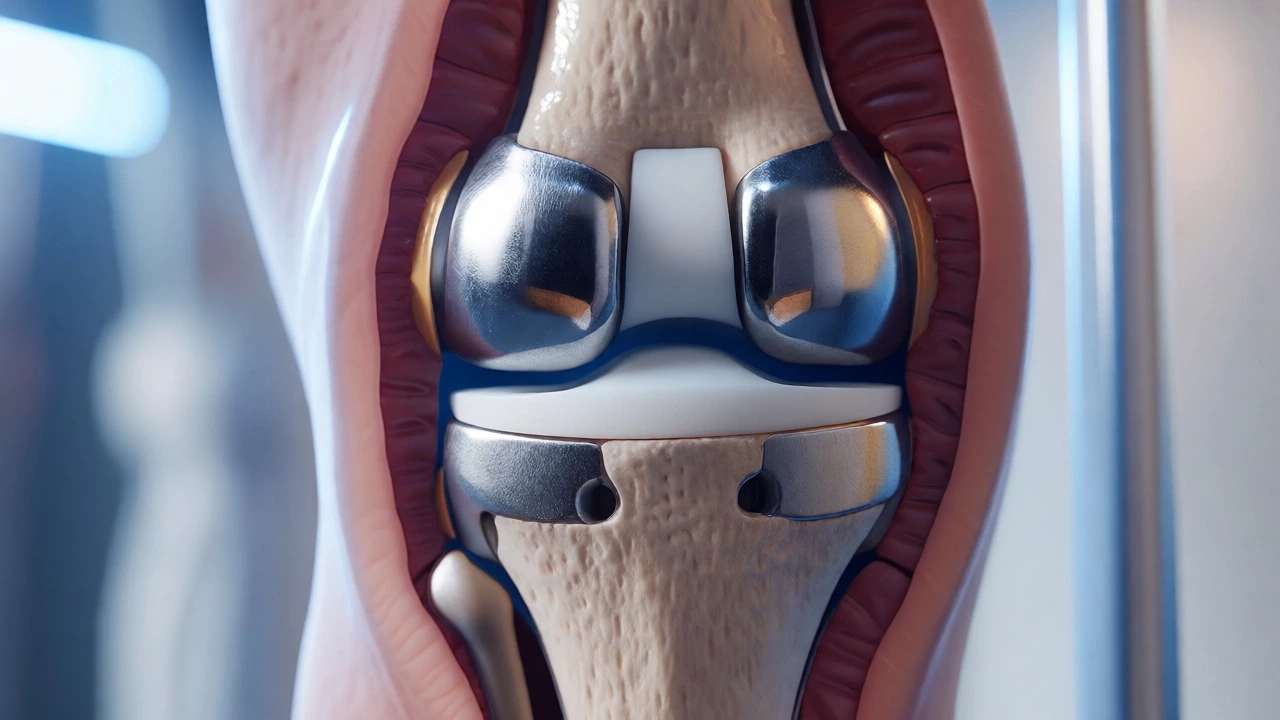
A total knee arthroplasty (TKA) replaces your worn-out cartilage and bone surfaces with metal and plastic components. Think of it like putting tires on a car. You can drive on highways, city streets, and even some rough roads, but if you constantly drive over rocks at high speed, the tires wear out faster. The same logic applies here. The polyethylene spacer between your metal femoral and tibial components has a finite lifespan. Every high-impact force accelerates wear, potentially leading to loosening or failure that requires revision surgery-a much bigger deal than the original operation.
This doesn’t mean you’re housebound. It means you need to swap certain habits for others. The goal isn’t to stop moving; it’s to move smartly so you don’t trade short-term fun for long-term disability.
The High-Impact Ban: Running and Jumping
Let’s address the big one first: running. Most orthopedic surgeons advise against long-distance road running after knee replacement. Why? Each footstrike sends forces through the knee that are three to five times your body weight. Over thousands of steps, this repetitive stress grinds down the plastic insert and stresses the bond between the implant and your bone.
Does this mean you can never jog? Not necessarily. Some patients with excellent muscle strength and ideal biomechanics might manage short, occasional jogs on soft surfaces like grass or a treadmill. But marathon training? That’s generally off the table. Similarly, jumping sports-basketball, volleyball, tennis with aggressive lateral stops-are risky. The twisting and landing forces create shear stress that can loosen the implant over time.
| Activity Type | Impact Level | Recommendation | Reason |
|---|---|---|---|
| Road Running | High | Avoid | Repetitive high-force impact wears plastic fast |
| Basketball/Volleyball | High | Avoid | Jumping and pivoting cause shear stress |
| Cycling | Low | Encouraged | Maintains range of motion without impact |
| Swimming | Zero | Encouraged | Buoyancy removes load from the joint |
| Golf | Moderate | Allowed with caution | Twisting during swing needs proper form |
Squatting and Kneeling: The Comfort vs. Capability Myth
Can you squat? Yes. Can you kneel? Also yes. This is where fear often outweighs fact. Many patients avoid these movements because they think they’ll break the implant. In reality, modern implants are designed to handle deep flexion. However, there’s a catch: comfort and sensation.
Kneeling on hard floors might feel strange or uncomfortable because you’re pressing directly on the surgical scar tissue and the underlying metal component. It won’t damage the joint, but it might hurt your skin or nerves. Using a thick foam pad solves this instantly. As for squatting, depth varies by individual flexibility and pre-surgery range of motion. If you could touch your toes before, you likely can now. If you were stiff before, you might still be limited. Don’t force a full deep squat if it causes sharp pain, but gentle squats are actually great for strengthening the quadriceps, which support the knee.
The Weight Factor: Your Biggest Variable
Here is the most critical restriction that isn’t an activity-it’s a state of being. Excess weight is the enemy of any artificial joint. Studies consistently show that obesity significantly increases the risk of early implant failure and infection. For every pound you lose, you take four pounds of pressure off your knees when walking.
If you are overweight, maintaining a healthy BMI isn’t just about looking good; it’s a mechanical necessity. A heavier patient puts more torque on the fixation points. Surgeons often cite a BMI threshold (usually around 35-40) as a limit for safe surgery, but post-surgery, staying under 30 is the gold standard for longevity. This isn’t a temporary diet; it’s a permanent lifestyle shift to protect your investment.
Range of Motion: What You Might Never Get Back
While you gain mobility by removing painful arthritis, you rarely regain the exact same range of motion (ROM) you had as a teenager. A normal knee bends to about 135 degrees. Post-replacement, a functional target is usually 110-120 degrees. This allows you to climb stairs, sit in chairs, and walk normally. Trying to force hyperextension or extreme flexion beyond what your soft tissues allow can cause impingement or scarring.
Some patients also experience a slight loss of terminal extension (straightening fully). While rare with modern techniques, if you notice a persistent limp due to inability to straighten the leg, physical therapy focuses heavily on correcting this early. Once scar tissue matures (around 6-12 months), significant changes in ROM become difficult.

Activities to Embrace Instead
Just because you can’t run marathons doesn’t mean you’re sidelined. In fact, many patients find their quality of life improves because they can finally exercise without pain. Here’s what works best:
- Walking: The ultimate low-impact cardio. Aim for flat terrain initially, then gradually introduce hills.
- Cycling: Stationary bikes are perfect for building quad strength without pounding the joint. Outdoor cycling is great once balance is restored.
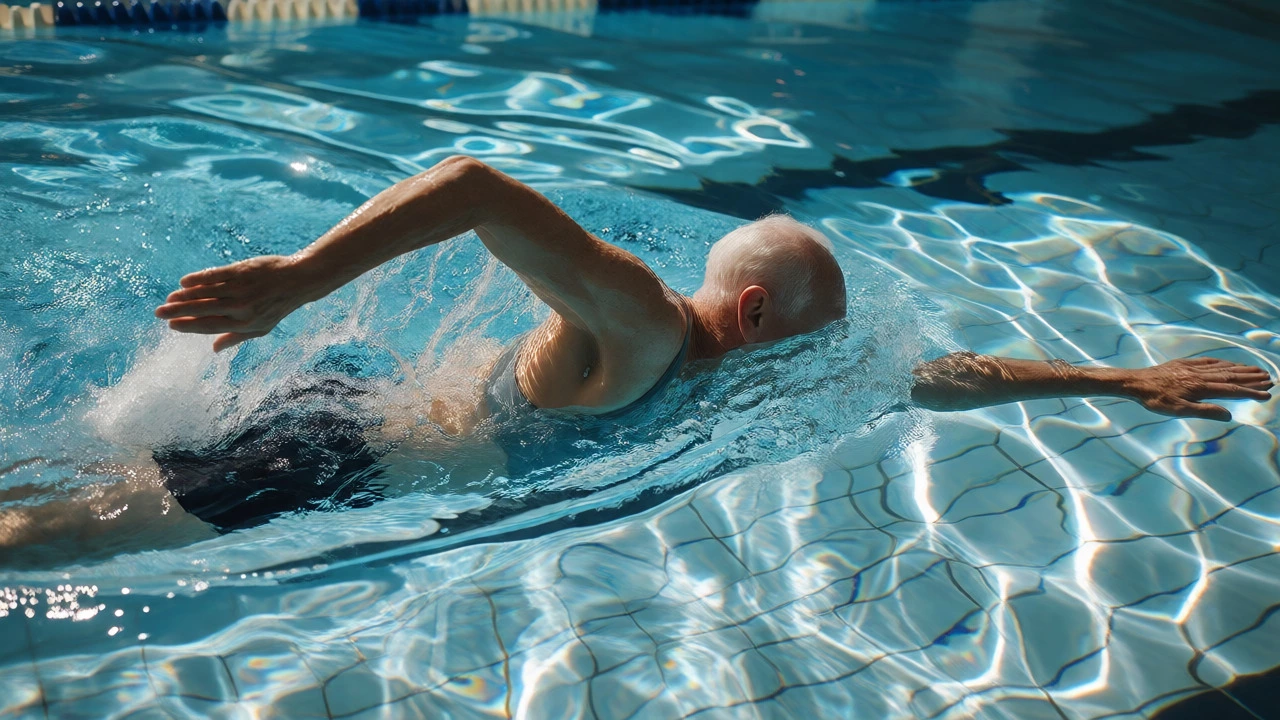
- Swimming and Water Aerobics: Water supports your weight, allowing you to move freely while providing resistance. This is arguably the best overall workout for a replaced knee.
- Elliptical Machines: These mimic running motion but eliminate the impact shock.
- Yoga and Pilates: Focus on controlled movements. Avoid extreme twists or poses that put excessive strain on the knee hinge.
Long-Term Maintenance: The Silent Killer
Infection is a permanent threat. Unlike native joints, artificial ones have no blood supply to fight off bacteria. If you get a dental infection, urinary tract infection, or skin wound elsewhere in your body, bacteria can travel through the bloodstream and settle on your knee implant. This is called hematogenous spread.
This leads to a crucial, often overlooked restriction: preventive care. Always inform dentists and doctors that you have a prosthetic joint. They may prescribe prophylactic antibiotics before certain invasive procedures. Ignoring a simple tooth abscess could lead to a catastrophic knee infection requiring another major surgery.
Can I ever go hiking again?
Yes, hiking is generally encouraged, especially on well-maintained trails. Start with flat paths and gradually add elevation. Use trekking poles to reduce load on the knees, particularly on descents where impact forces increase. Avoid steep, rocky, or uneven terrain that risks twisting the joint.
Is kneeling permanently painful?
Not necessarily. While the area may feel numb or hypersensitive due to nerve damage during surgery, kneeling itself does not damage the implant. Most patients use a cushioned mat to make it comfortable. If pain persists, it’s usually related to scar tissue sensitivity rather than structural failure.
How long do knee replacements last?
With modern materials and adherence to activity guidelines, 85-90% of knee replacements last 15-20 years. Lifespan depends heavily on patient weight, activity level, and implant type. Younger, more active patients may wear them out faster, potentially needing revision surgery earlier.
Can I play golf after knee replacement?
Yes, many patients return to golf. The key is modifying your swing to reduce torque on the knee. Consider using a shorter club or taking half-swings. Walking the course is beneficial, but if the terrain is hilly, consider using a golf cart to preserve energy and reduce joint stress.
What happens if I ignore the restrictions?
Ignoring high-impact restrictions accelerates polyethylene wear and can lead to aseptic loosening, where the implant separates from the bone. This causes pain, instability, and eventually necessitates revision surgery, which is more complex, has higher complication rates, and offers less predictable outcomes than the initial replacement.